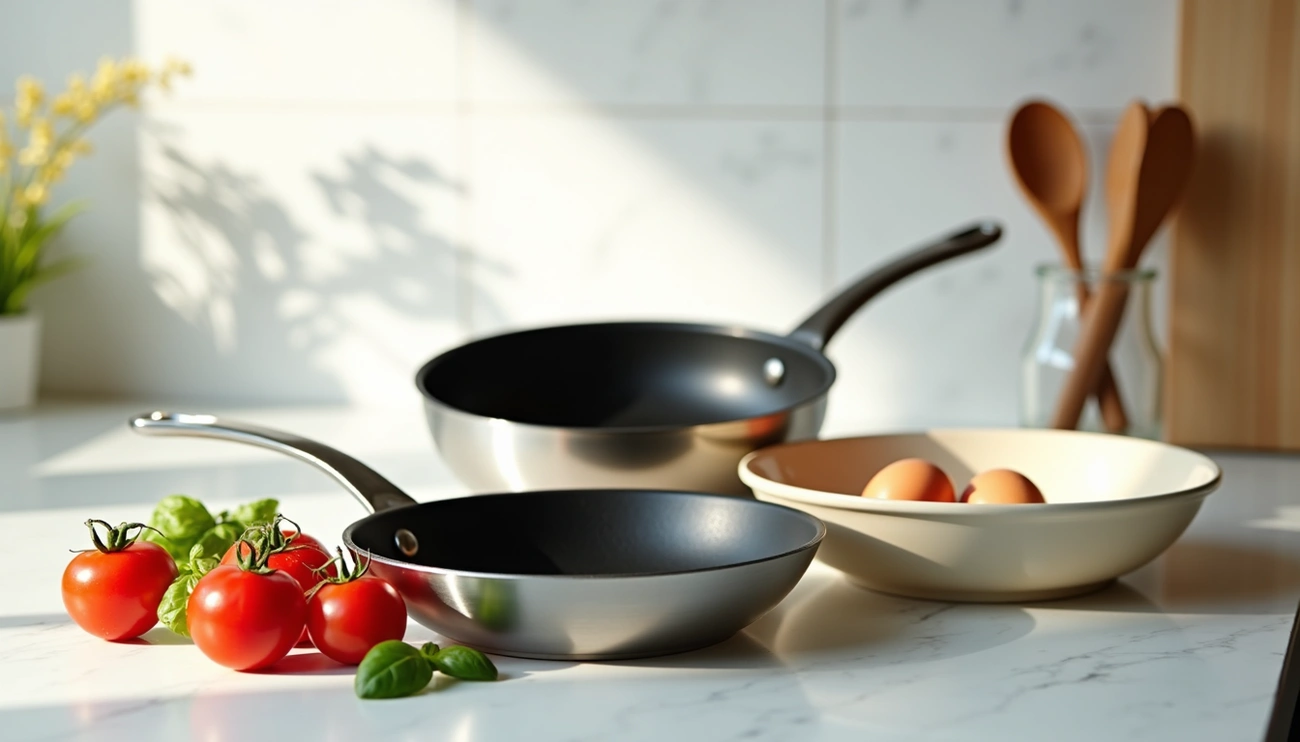
Tramontina cookware is generally considered safe because it offers PFOA-free, lead-free, and cadmium-free options in stainless steel, aluminum, and ceramic. Its nonstick lines use PFOA-free PTFE, which is safe when used below 260°C (500°F). Many Tramontina products are NSF-certified and meet recognized safety standards. Understanding PFAS and Why Cookware Safety […]
Daily Archives: February 20, 2026
5 posts
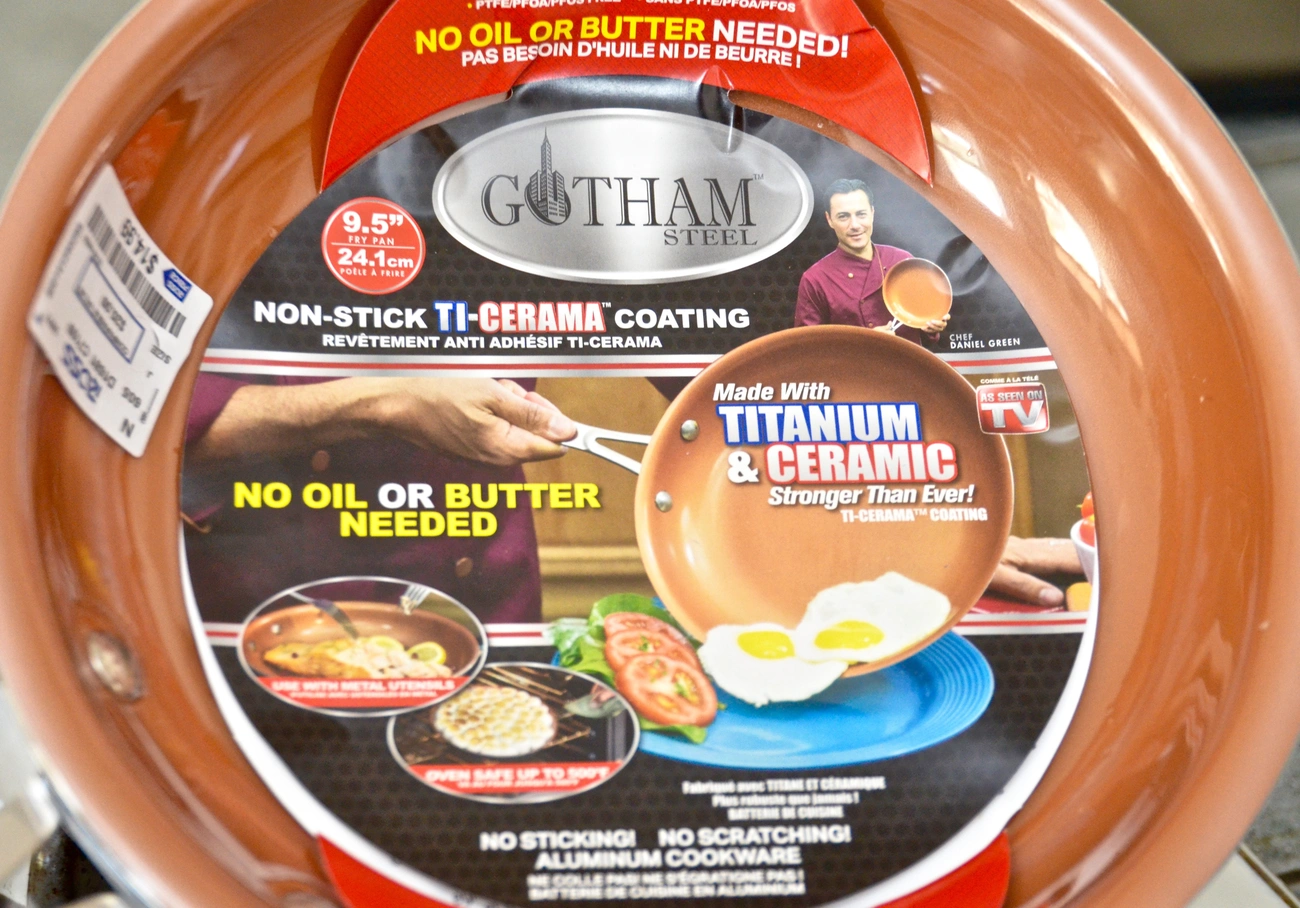
Gotham Steel pans are generally considered non-toxic because they use a ceramic coating reinforced with titanium and minerals instead of PTFE or PFOA-based Teflon. They are free from PFOA, PFOS, lead, and cadmium. Gotham Steel pans are dishwasher-safe and oven-safe, but proper care prevents surface damage and extends lifespan. Understanding […]
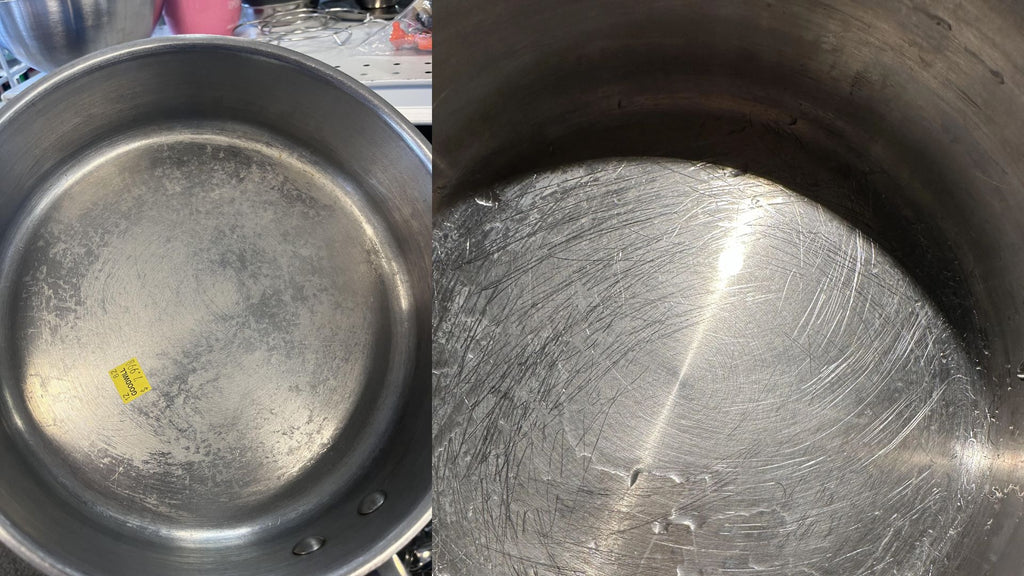
Scratched stainless steel cookware is safe because stainless steel is non-toxic and non-reactive. The surface reforms a protective chromium-oxide layer that prevents rust and contamination. Scratches are cosmetic and do not reduce safety or structural performance. Scratched areas can increase food sticking but do not release harmful chemicals. Why Do […]
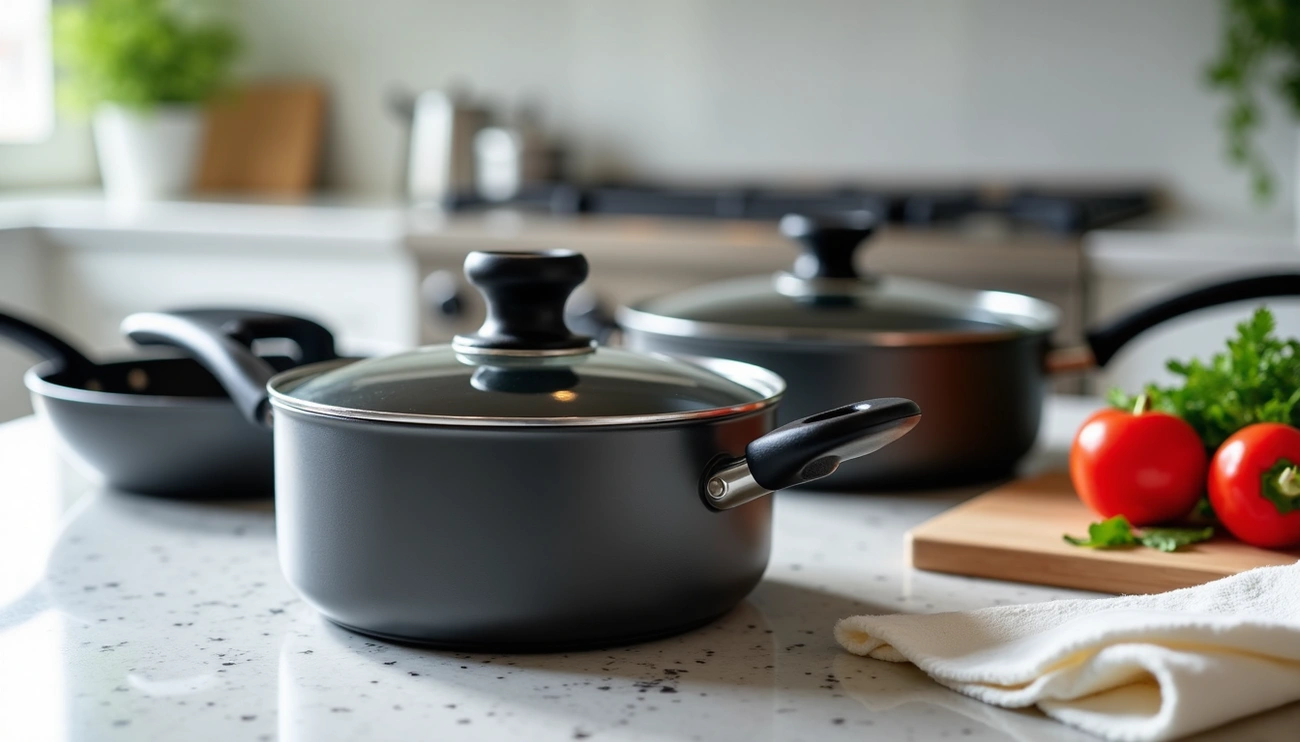
Hawkins Futura cookware is generally considered safe because it uses hard-anodized aluminum that is non-reactive to food and resistant to corrosion. The range includes hard-anodized and PFOA-free nonstick options. Futura cookware remains safe and durable when used with low-to-medium heat and non-metal utensils. What is Futura Hard Anodized Cookware? Futura […]
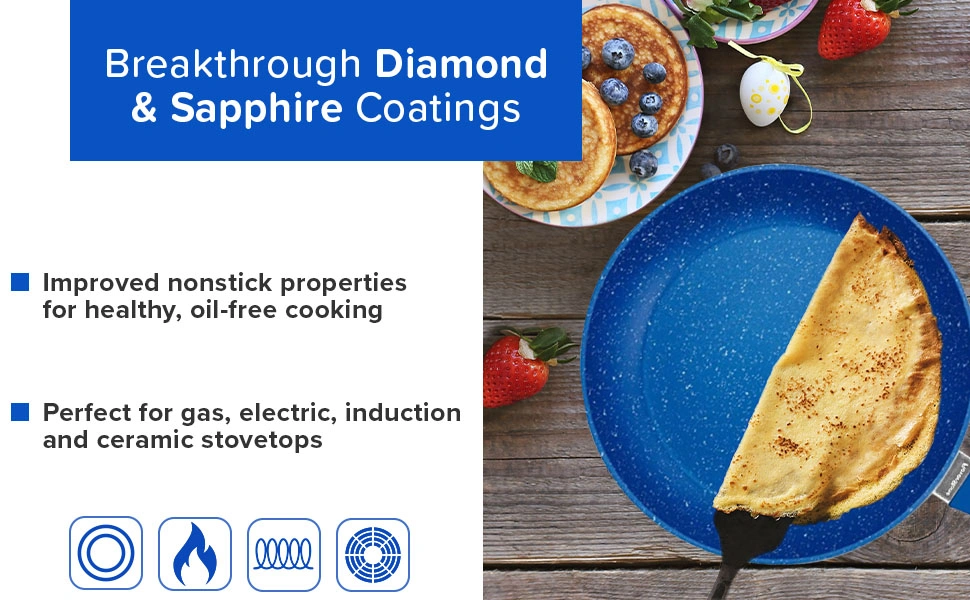
FlavorStone cookware is generally considered safe because it uses a PFOA-free, triple-layer sapphire or diamond-infused non-stick coating on a heavy-gauge aluminum base. It supports low-to-medium heat cooking up to 230°C (446°F). FlavorStone cookware is safe for induction, gas, and electric stovetops when used within its temperature limit. Understanding Flavorstone Cookware […]