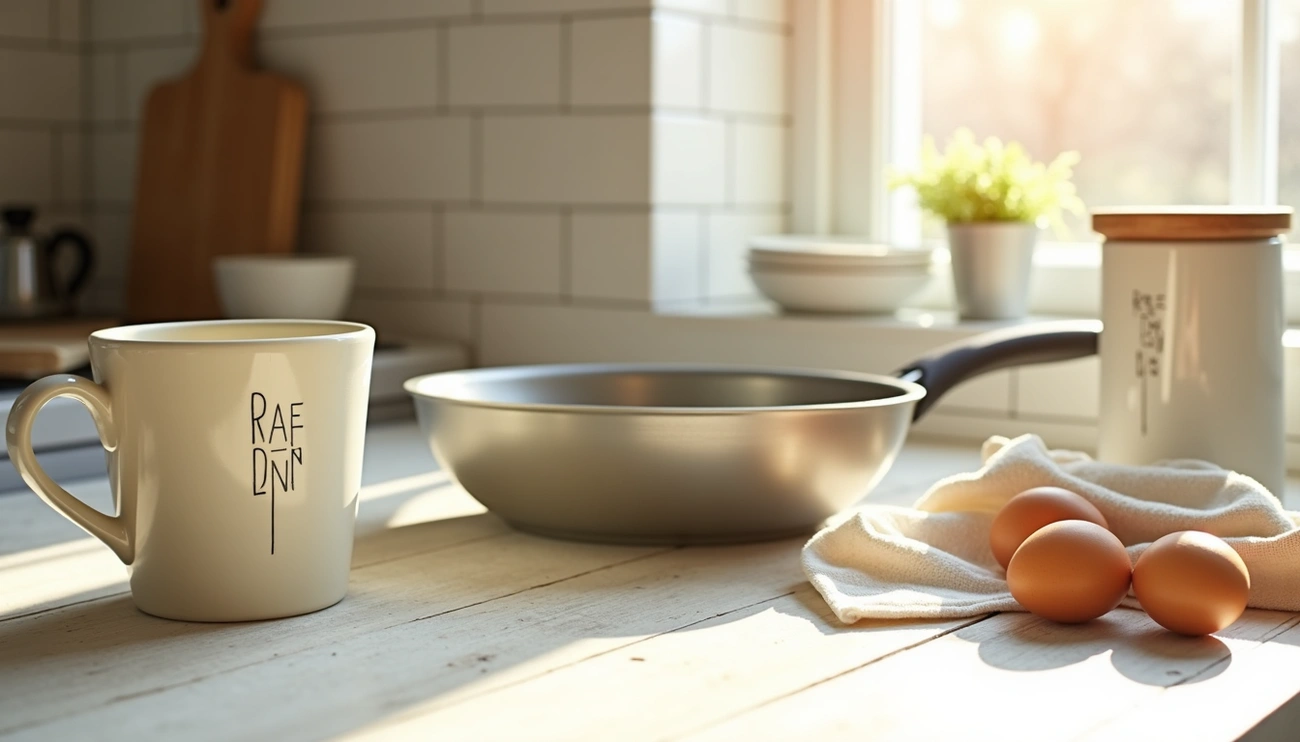
Rae Dunn cookware is generally safe because it meets FDA food safety standards and is labeled dishwasher and microwave safe. However, independent tests have detected lead in some pieces. Replace cracked or chipped items immediately, and avoid using damaged stoneware for acidic foods to reduce potential lead exposure risk. What […]
Daily Archives: February 21, 2026
5 posts
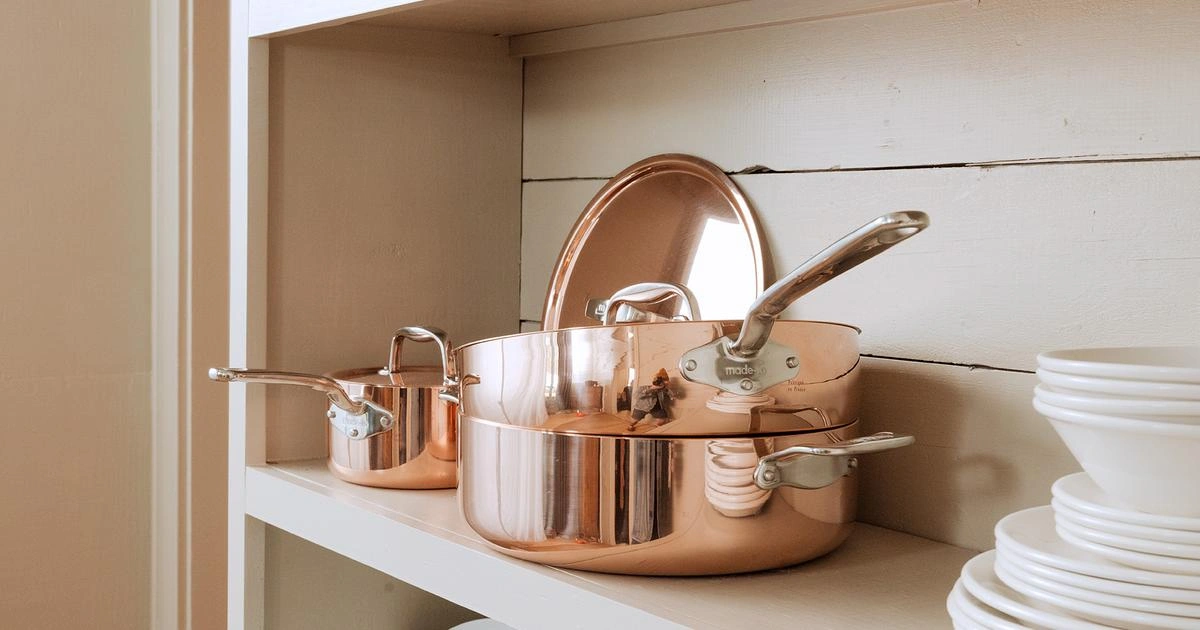
Tin coating is safe for cooking because it is non-toxic, non-reactive, and prevents copper from leaching into food. Tin lining makes copper cookware safe for acidic foods and provides a natural non-stick surface. Retin copper pots every 5–10 years, or when the lining wears down, to maintain safety and performance. […]
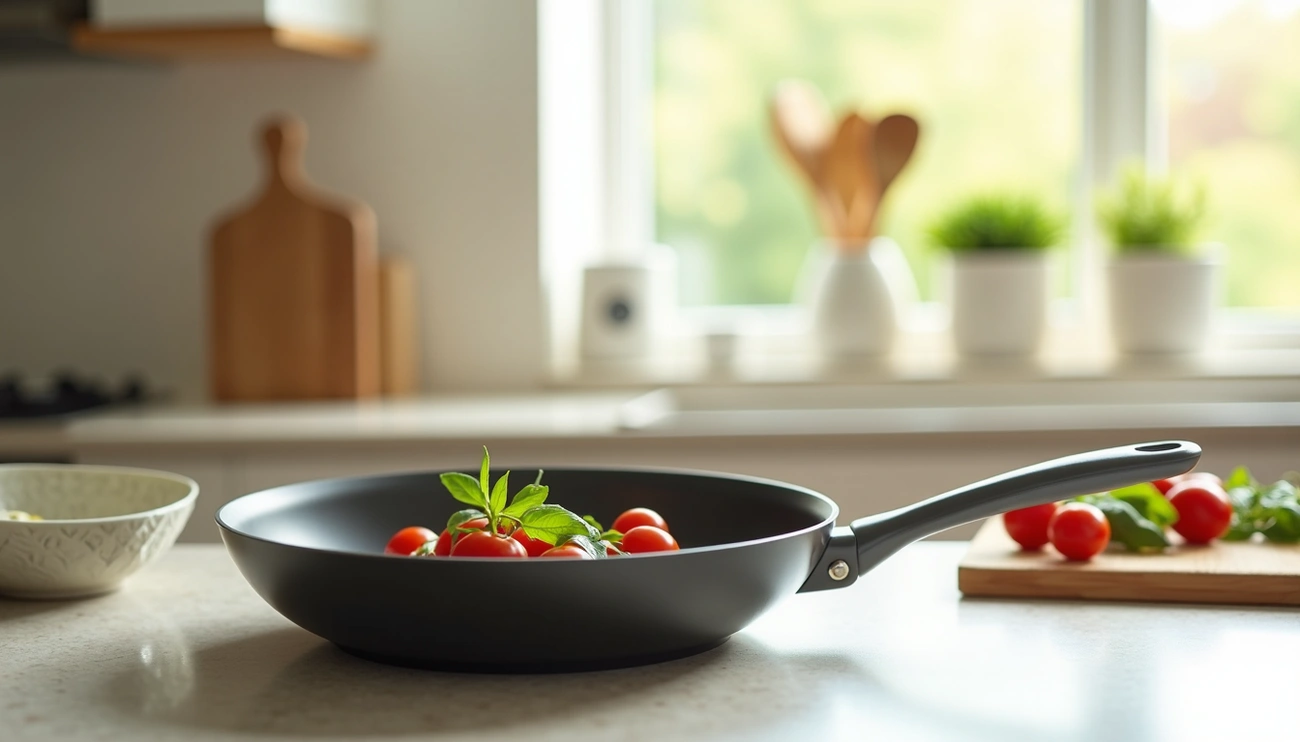
Pyrolux cookware is safe because it features PFOA-free, non-toxic non-stick coatings such as Ilag Xeradur ceramic and Quantanium reinforced stone. Pyrolux pans support low-oil cooking, work on all cooktops including induction, and are oven-safe up to approximately 180–240°C, depending on the range. What is Pyrolux Cookware? Pyrolux manufactures three distinct […]
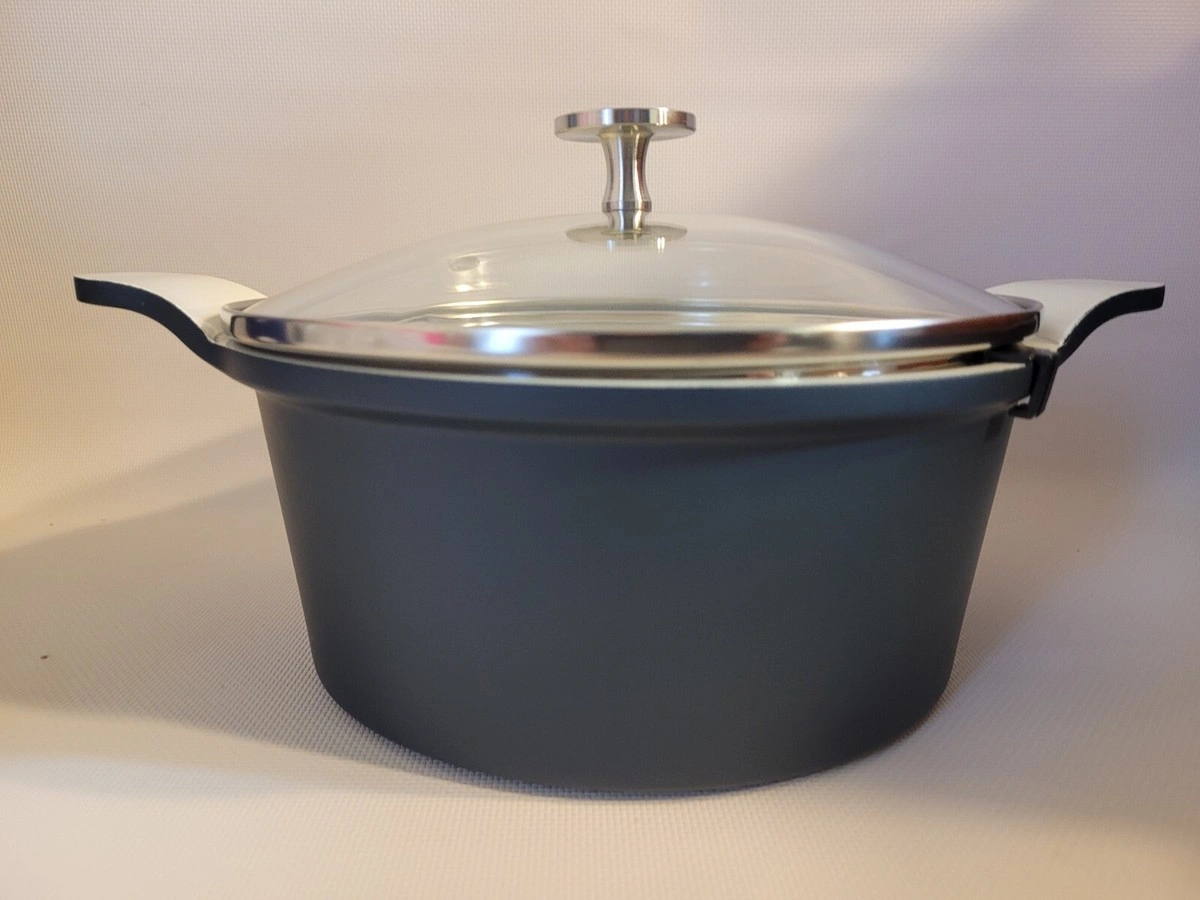
Many Phantom Chef pans are oven safe, but temperature limits vary by collection. Most ceramic nonstick pans, including the Grove Collection, are oven safe up to 350°F (175°C). Some lines have lower limits, and select items, such as certain Midnight Collection pans, are not oven safe. Always confirm the specific […]
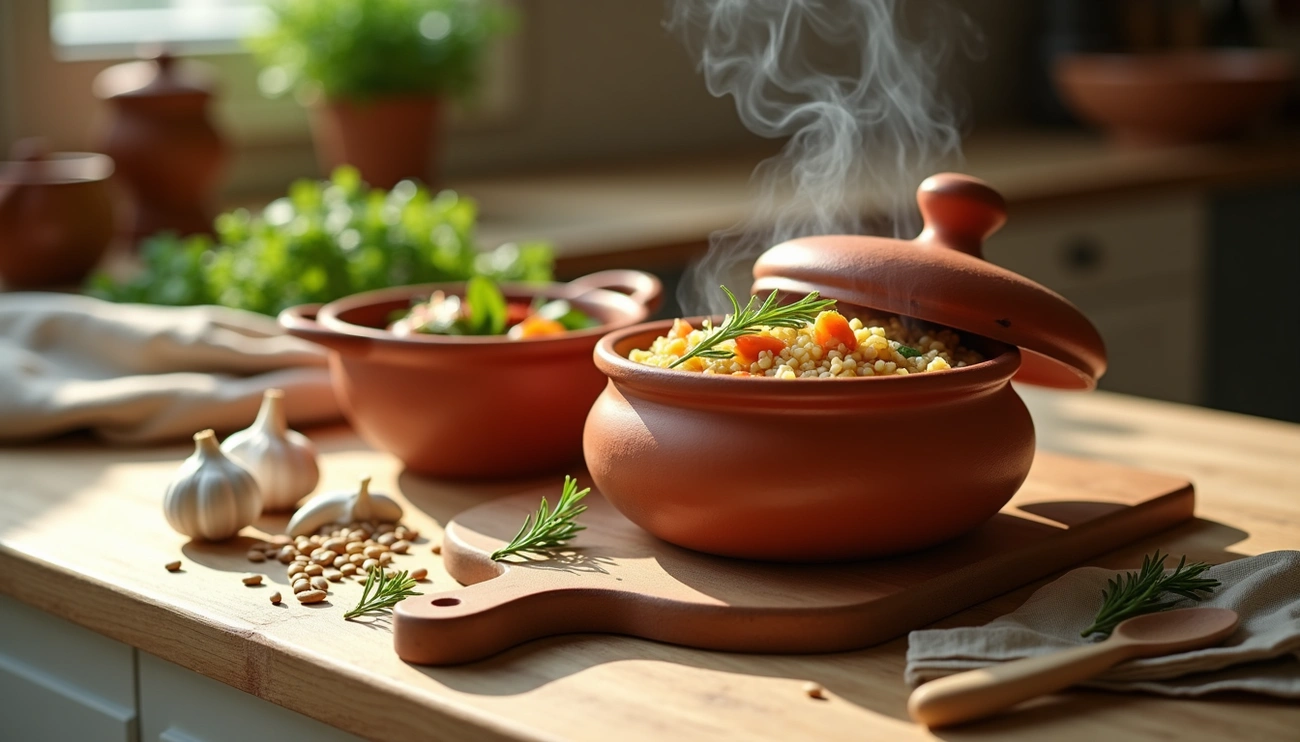
Terracotta is food safe when it is labeled for culinary use and manufactured to food-grade standards. Unglazed terracotta is highly porous and can harbor bacteria. Improperly glazed terracotta can leach heavy metals such as lead. Use only certified food-safe terracotta cookware and avoid decorative or gardening-grade pieces for cooking. Is […]