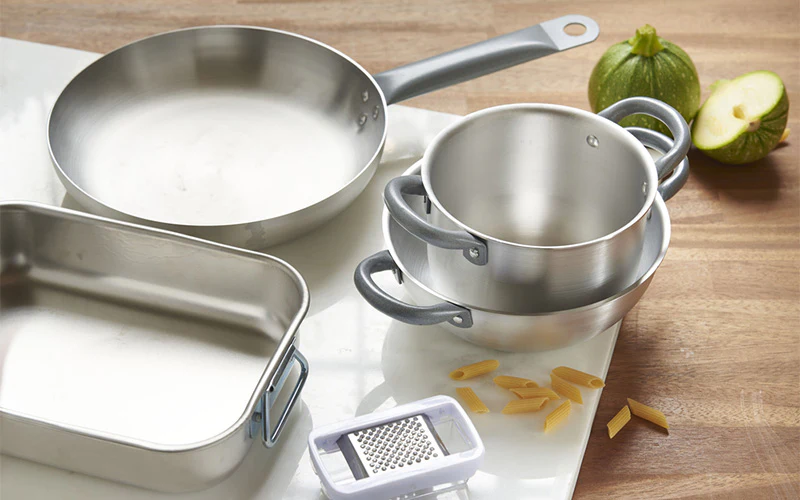
Aluminum bakeware is safe for everyday baking because the FDA and WHO confirm that aluminum leaching into food remains minimal and within safe intake limits. Aluminum conducts heat efficiently, which promotes even baking and consistent results. Avoid prolonged storage of highly acidic foods to further reduce aluminum exposure.
What Makes Aluminum Bakeware So Popular
When choosing bakeware for my kitchen, I consistently reach for aluminum pans. Their widespread popularity among home bakers and professional chefs alike stems from several distinct advantages that make them a kitchen staple.
Lightweight and affordable
Aluminum cookware stands out as remarkably lightweight compared to other materials. Weighing approximately one-third of comparable steel options, a 10-inch aluminum frying pan typically weighs around 2 pounds versus a similar steel pan that could exceed 4 pounds. This lightweight nature makes aluminum bakeware significantly easier to handle, particularly when transferring hot dishes from oven to countertop.
Additionally, aluminum bakeware offers excellent value. High-quality aluminum cookware sets typically cost 20-30% less than comparable stainless steel alternatives, with even premium options often priced under $20. This affordability makes aluminum an accessible choice for budget-conscious home bakers without sacrificing quality or performance.
Excellent heat conductivity
Perhaps the most impressive characteristic of aluminum bakeware is its superior thermal conductivity. Aluminum boasts a thermal conductivity rate of 237 W/mK compared to stainless steel’s mere 16 W/mK. This means aluminum heats up approximately 15 times faster than steel cookware.
Consequently, aluminum bakeware distributes heat evenly throughout the pan, eliminating hot spots that can cause uneven baking results. This property is especially valuable when baking cookies, as aluminum’s rapid heating and cooling helps prevent cookies from spreading flat. Furthermore, this efficient heat distribution ensures uniform browning and consistent baking results every time.
Common types of aluminum bakeware
Aluminum bakeware comes in several varieties to suit different cooking needs:
- Uncoated aluminum: Pure aluminum pans free of chemicals and coatings that provide excellent heat distribution
- Anodized aluminum: Electrochemically treated to create a hardened, non-reactive surface that resists scratches and corrosion
- Aluminized steel: Steel pans dipped in aluminum alloy, combining steel’s strength with aluminum’s heat conductivity
- Disposable aluminum: Convenient, single-use options for special occasions or food transportation
Each type serves specific purposes in the kitchen, making aluminum bakeware exceptionally versatile for everything from baking cookies and cakes to roasting vegetables and meats.
Is Aluminum Bakeware Safe to Use?
Safety concerns about aluminum bakeware often center around the potential for metal leaching into food. I’ve researched this topic extensively to separate fact from fiction.
Understanding aluminum leaching
Aluminum leaching refers to the process where aluminum transfers from cookware into food. This soft metal can react with certain ingredients during cooking, causing small amounts to migrate into meals. Several factors influence leaching, including cooking time, temperature, and food composition. Notably, new non-anodized aluminum cookware tends to leach significantly more metals than anodized versions. Moreover, old anodized cookware becomes more prone to metal leaching than newer pieces.
Impact of acidic foods on uncoated aluminum
Acidic ingredients dramatically increase aluminum transfer. Foods like tomatoes, citrus, vinegar, and even apples (with pH 3-4) can cause noticeable leaching. During cooking tests, researchers found acidic foods cause substantially more metals to leach compared to neutral or basic foods. Besides affecting safety, this reaction can impart an unpleasant metallic taste and gradually damage your cookware through corrosion.
Scientific studies on aluminum exposure
Research presents mixed findings on aluminum exposure risks. One study revealed that boiled water from aluminum pots showed increased concentrations of aluminum, lead, and cadmium—with six-year-old pots containing the highest levels. Nevertheless, another investigation found the added aluminum in food from cookware is extremely negligible, constituting less than 5% of normal daily intake. An average adult typically consumes about 7-9 mg of aluminum daily through food.
Is aluminum safe to cook with according to health organizations?
The FDA and other health organizations generally consider aluminum cookware safe for everyday use. Despite historical concerns about connections to Alzheimer’s disease, current evidence remains conflicting. To minimize risks, Health Canada recommends: washing aluminum cookware by hand with mild detergent, using non-metal utensils, avoiding long cooking times for acidic foods, and limiting cooking temperatures to low-medium heat.
Anodized Aluminum vs. Uncoated: What’s the Difference?
The difference between anodized and uncoated aluminum is more than just surface deep. As someone who regularly tests kitchen equipment, I’ve found that knowing these distinctions can significantly impact both your cooking results and potentially your health.
What is anodized aluminum?
Anodized aluminum undergoes an electrochemical process that creates a hardened surface layer. This process essentially converts the outer surface of the aluminum into aluminum oxide through controlled oxidation. Think of it as a manufactured version of how aluminum naturally forms a protective layer when exposed to air, except the anodization process creates a much thicker and more durable layer. The resulting surface becomes part of the metal itself rather than a separate coating that might chip or peel off.
How anodization reduces reactivity
The anodization process creates a non-porous, non-reactive surface that effectively seals the aluminum underneath. This barrier primarily prevents the metal from coming into direct contact with food. Certainly, this is important because it blocks the leaching that can occur with raw aluminum. The anodic layer also makes the surface resistant to the effects of acidic foods that would otherwise cause uncoated aluminum to react. Indeed, tests show that properly anodized cookware releases virtually no aluminum into food, even when cooking acidic ingredients.
Is uncoated aluminum bakeware safe?
Uncoated aluminum bakeware remains generally safe for most baking applications, but with some caveats. Raw aluminum can react with acidic or alkaline foods, potentially allowing some aluminum to migrate into your food. Essentially, this concern is most relevant when cooking dishes containing tomatoes, citrus, or vinegar. Still, for basic baking of cookies, cakes, and breads, uncoated aluminum performs excellently with minimal health concerns.
Durability and scratch resistance of anodized bakeware
Anodized bakeware offers superior durability compared to its uncoated counterparts. The hardened surface layer created during anodization makes the bakeware remarkably scratch-resistant and less prone to warping. Ultimately, anodized aluminum pans typically last 3-5 times longer than standard aluminum pans. This increased longevity, combined with the non-reactive surface, often justifies the 15-25% higher price point of anodized options.
Safer Baking Practices and Alternatives
Even with proper anodization, adopting additional safeguards can further minimize potential aluminum exposure. Smart baking practices can make aluminum cookware safer while extending its lifespan.
Using parchment paper or silicone mats
Lining your aluminum bakeware with parchment paper creates an effective barrier that prevents direct food contact. Parchment paper is treated with silicone, making it non-stick and heat-resistant up to 420°F. Meanwhile, silicone baking mats offer a reusable alternative that can handle temperatures up to 450°F. First, parchment works better for cookies as it allows even browning, whereas silicone mats may reduce crispness due to their insulating properties.
When to replace your aluminum bakeware
It’s time for new bakeware if you notice:
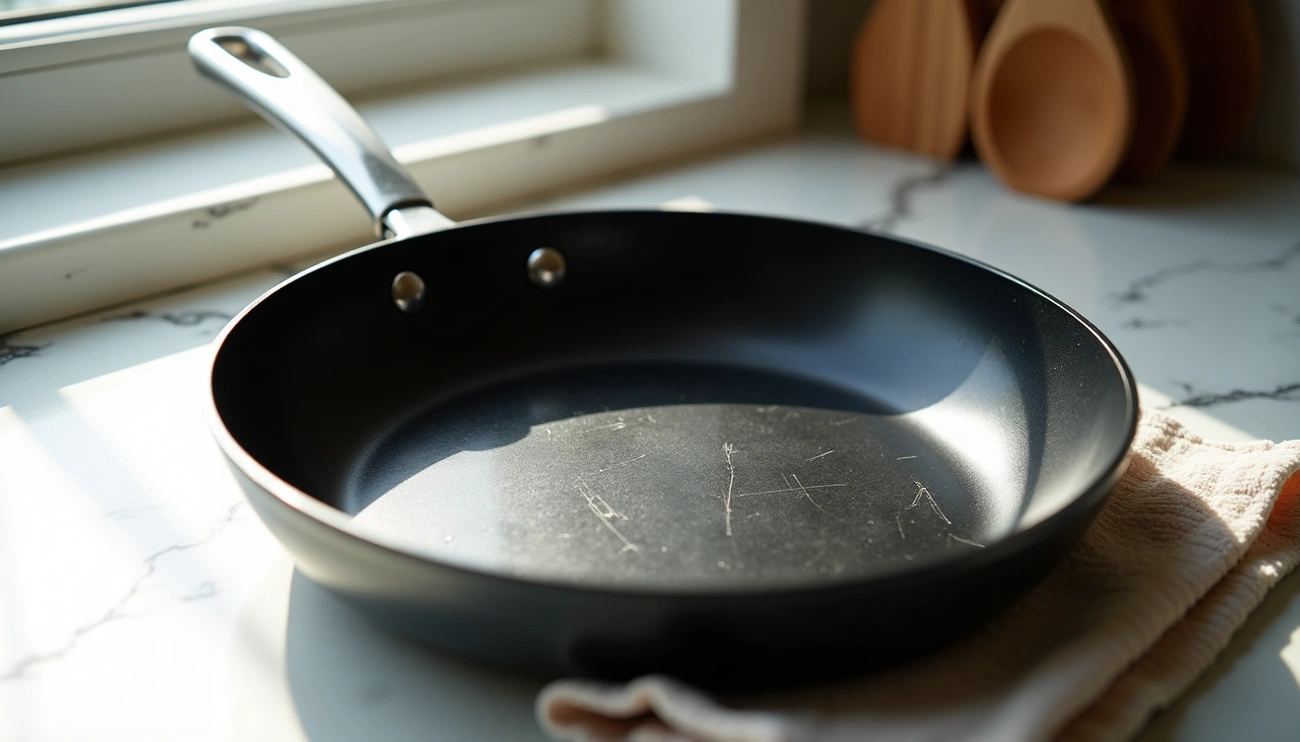
- Deep scratches or pitting that could increase leaching
- Warping that causes uneven baking
- Severe discoloration that won’t clean off
Best non-toxic bakeware alternatives
Ceramic stands out as one of the safest alternatives, offering stain resistance without toxic coatings. Stoneware, made from natural clay, provides even heating with non-porous properties. Cast iron creates wonderful crusts on baked goods while adding dietary iron.
Pros and cons of stainless steel, glass, and silicone
Stainless steel resists rust and won’t leach chemicals but doesn’t conduct heat as efficiently. Glass distributes heat evenly but may cause crusts to bake faster than fillings. Silicone offers flexibility and non-stick properties yet produces limited browning.
Conclusion
After thoroughly examining the safety of aluminum bakeware, we can conclude that it remains a practical choice for most home cooks. Health organizations generally consider aluminum cookware safe for everyday use despite historical concerns. Nonetheless, understanding how different types of aluminum interact with various foods helps make smarter kitchen decisions.
Regular uncoated aluminum certainly works well for basic baking tasks like cookies and cakes. However, anodized aluminum offers significant advantages through its non-reactive surface that prevents leaching—especially when cooking acidic foods. This hardened surface also makes anodized options more durable and scratch-resistant than their uncoated counterparts.
For those concerned about aluminum exposure, simple precautions make a substantial difference. Lining your pans with parchment paper creates an effective barrier between food and metal. Additionally, watching for signs of wear like deep scratches, warping, or severe discoloration helps determine when replacement becomes necessary.