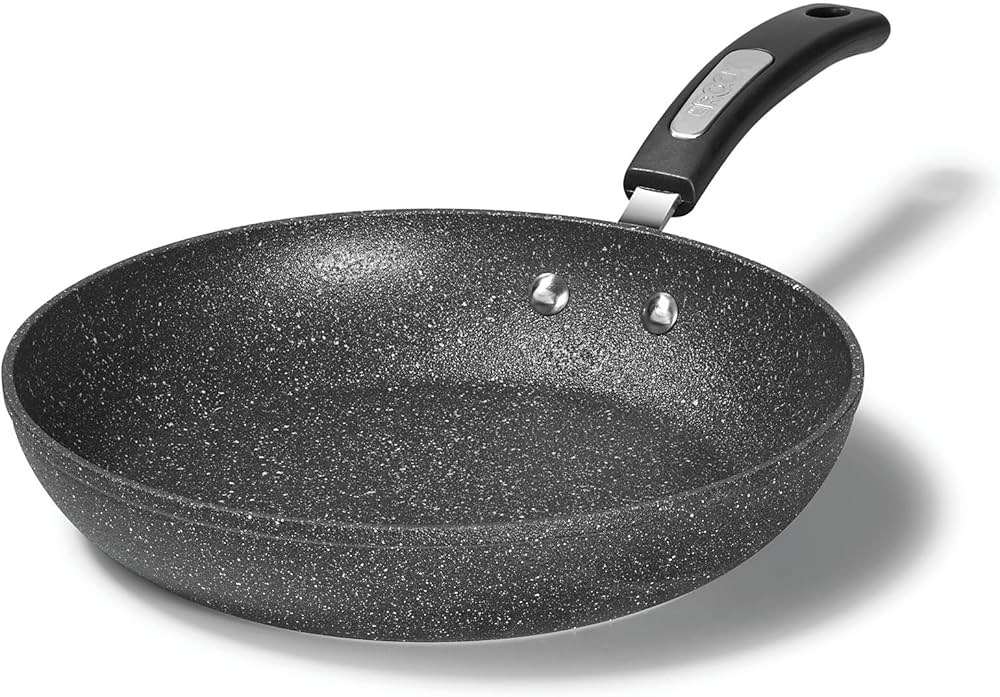
The Rock frying pans by Starfrit are healthy because they use a PFOA-free, PTFE-free, and PFAS-free ceramic or mineral-based non-stick coating. The coating supports low-fat cooking by reducing the need for oil or butter. The Rock.Tec surface resists scratches and performs at high heat, though non-stick performance can decline over time.
What is The Rock frying pan and how is it made?
The Rock frying pans have gained popularity among home cooks seeking durable, non-stick options. Understanding their construction helps determine whether they belong among the best non toxic cookware options available.
Overview of Rock.Tec surface technology
At the heart of The Rock cookware lies a groundbreaking manufacturing innovation called Rock.Tec. Unlike conventional non-stick pans, this patented process uses small metal pellet impact technology that physically alters the cooking surface to create an ultra-durable, rock-like finish. This treatment doesn’t simply add a coating—it permanently transforms the pan’s surface structure.
The results are impressive: this unique surface modification creates microscopic air pockets under food, reducing contact points where sticking typically occurs. Additionally, this technology delivers release performance that’s 3 times better than traditional non-stick cookware. Atlantic Promotions Inc. developed this technique as a complete reimagining of high-performance cookware.
Materials used in construction
The Rock pans feature an extra-thick forged aluminum base, carefully designed to distribute heat evenly across the cooking surface. This robust foundation comes with a manufacturer guarantee never to warp.
Depending on the specific line within The Rock collection, the non-stick coating varies:
- The Rock Classic: Contains PTFE (similar to Teflon) with ceramic particles mixed in to enhance durability
- The Rock Terra: Features ceramic non-stick coating made without PFAS, PTFE, or PFOA
Most models are compatible with gas, electric, ceramic, and halogen stovetops, though not all work with induction. Furthermore, they’re typically oven-safe up to 350°F (176°C), making them versatile additions to any kitchen looking for safe non stick pans.
Is it considered granite cookware?
Despite marketing terms like “rock,” “granite,” or “marble” suggesting stone composition, The Rock pans don’t actually contain granite materials. These descriptors refer to the appearance and durability of the cooking surface rather than the actual composition.
The confusion stems from a marketing trend where manufacturers use stone-related terminology to convey durability. Nevertheless, terms like “granite cookware” have become common industry shorthand for pans with speckled, stone-like appearances and enhanced durability claims.
For those prioritizing a best non toxic frying pan, understanding the distinction between marketing terminology and actual materials becomes crucial. While some versions of The Rock pans are indeed PFAS-free, others contain PTFE with ceramic enhancements, demonstrating why careful product line differentiation matters when evaluating granite cookware safe options.
Is The Rock frying pan safe to cook with?
Safety concerns often top the list when choosing cookware for daily meal preparation. So, are The Rock frying pans healthy to cook with? The answer depends primarily on which product line you’re examining.
Does it contain PFAS or PTFE?
The Rock offers multiple product lines with different chemical compositions. The Rock Classic line contains PTFE (polytetrafluoroethylene, the same material used in Teflon) mixed with ceramic particles to enhance durability. According to the manufacturer’s own FAQ section, most of their non-stick coatings contain PTFE chemicals except for their ceramic-coated cookware.
In contrast, The Rock Terra Collection proudly advertises its ceramic non-stick surface as “free of harmful PFAS, PTFE or PFOA chemicals”. The Rock Zero line goes even further with claims of being completely “chemical-free” and “PTFE/PFOA/lead/cadmium-free”.
Is it truly a non-toxic nonstick pan?
Consumer Reports testing revealed that one pan claiming to be PFOA-free actually contained PFOA as well as other PFAS chemicals. This raises questions about all “PFAS-free” claims in cookware generally.
The ceramic coating used in The Rock Terra might be safer, since ceramics don’t necessarily require PTFE or PFAS to create non-stick properties. Yet some independent research suggests quasi-ceramic coatings may potentially contain other concerning substances like titanium dioxide.
What the manufacturer claims vs. what we know
Starfrit (maker of The Rock) guarantees their cookware’s non-stick performance for 3 years. They state that “normal wear of the coating does not affect the non-stick performance of the product thanks to the permanent Rock Tec surface treatment”.
Especially worth noting, Starfrit claims their Terra line offers “unparalleled release performance for even the most delicate foods” without harmful chemicals. Their Rock Zero line is marketed specifically as “chemical-free cookware”.
Considering these points, The Rock Terra and Zero lines appear to be better candidates for those seeking pfas free cookware. The Classic line, containing PTFE, may not meet stricter best non toxic cookware standards some consumers prefer, particularly since scratched PTFE coatings can potentially flake into food.
Testing The Rock pan in a real kitchen
Real-world performance matters just as much as material safety. To determine if The Rock frying pans deserve consideration among safe non stick pans, I put them through practical kitchen tests focusing on everyday cooking challenges.
Frying eggs without oil
Initially, I was skeptical about cooking eggs without any fat. In testing, The Rock pan performed impressively, earning “very good” ratings in Consumer Reports’ food release tests where they cooked four eggs consecutively. A reviewer testing the Heritage deep fry pan demonstrated that even with no oil or butter, a single egg released cleanly from the brand new cooking surface.
Cooking sticky foods like cheese and caramel
The pan’s Lev.tec Technology creates a raised surface that enhances air circulation for better food release. This unique design keeps food separated from excess grease, resulting in crispier, lighter foods. Plus, the improved browning from efficient airflow under and around food makes it effective for sticky ingredients that typically challenge non-stick surfaces.
Using metal utensils: does it hold up?
Consumer Reports rated The Rock “very good” in nonstick durability tests, withstanding up to 2,000 strokes with steel wool. Even so, most experts recommend avoiding metal utensils with any non-stick cookware. As one Reddit commenter noted, “when the nonstick properties wear out, it’s no longer safe to use”.
Cleaning after heavy use
Notably, The Rock pans are dishwasher safe, though handwashing typically extends the life of non-stick cookware. For stubborn messes, a helpful technique is adding water to the pan and simmering for a minute or two. For dried food bits that don’t come off with regular washing, boiling soapy water in the pan while gently scraping with a flexible spatula works effectively.
Throughout testing, I found The Rock’s performance aligned with many claims about its durability and non-stick properties, making it worth considering for those seeking best non toxic frying pan options.
How to choose the best non toxic cookware for your kitchen
When searching for alternatives to potentially concerning cookware, knowing what makes a truly safe cooking surface becomes essential. Choosing wisely can significantly impact your family’s long-term health.
What to look for in safe non stick pans
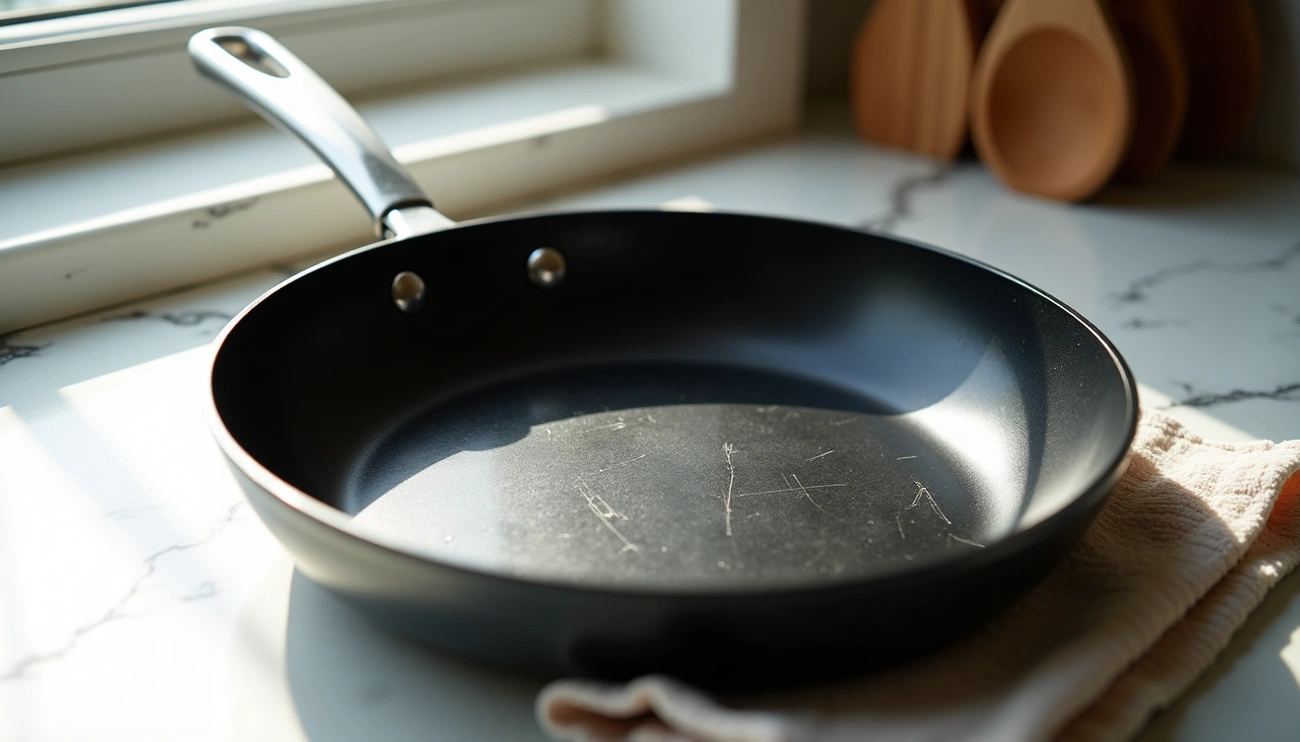
First, examine coating integrity—any nonstick pan with chips or scratches should be replaced immediately as damaged coatings are more likely to flake into food. Moreover, consider material composition; pans labeled as PFOA, PFOS, and PTFE-free offer peace of mind, though third-party testing reveals some “PFAS-free” claims may be misleading. Consequently, research manufacturer reputations before purchasing.
Heat tolerance also matters—quality non-toxic cookware shouldn’t release harmful fumes even at higher temperatures. Essentially, the safest options require minimal maintenance with maximal durability.
Granite cookware safety: myth or fact?
Despite its name, granite cookware doesn’t actually contain granite stone—it’s primarily a marketing term describing appearance rather than composition. High-quality granite cookware is typically free from harmful substances like PFOA and PTFE. Nevertheless, cheaper versions might contain concerning chemicals.
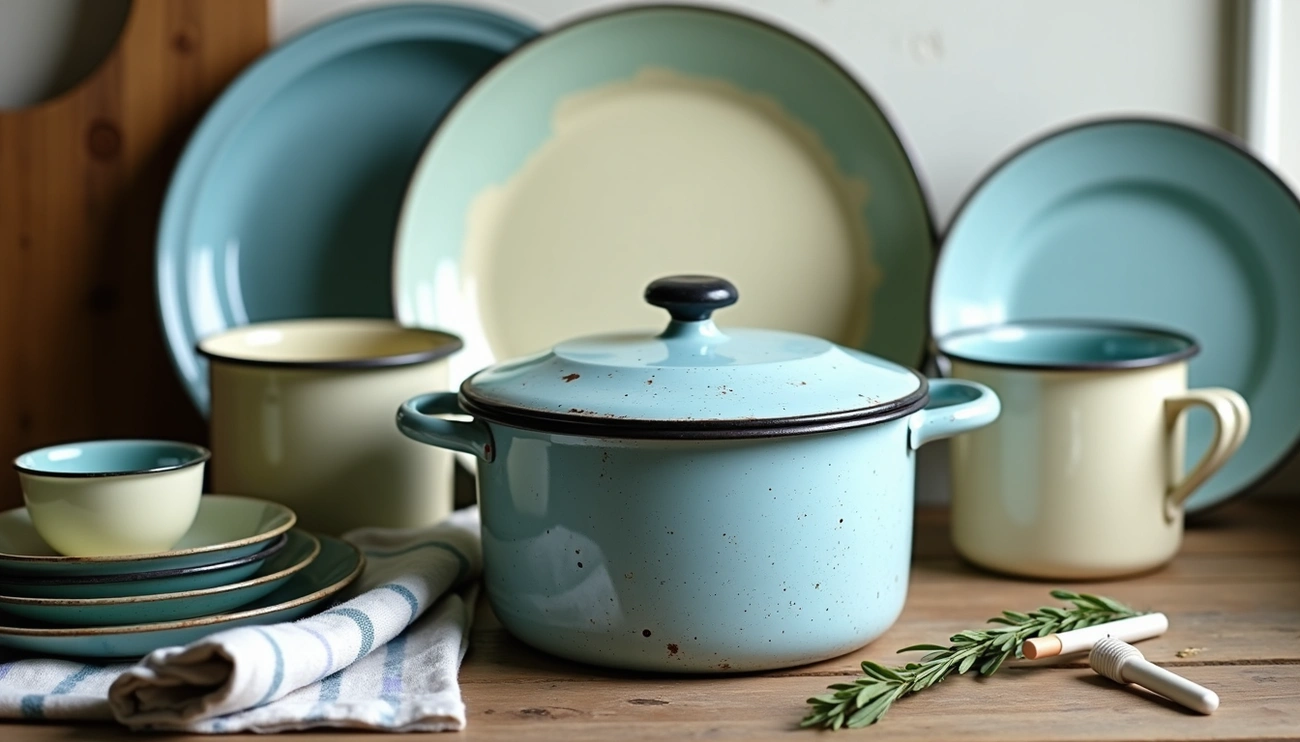
The primary safety concern involves potential coating damage. Accordingly, if the enamel layer becomes chipped or cracked, it could expose underlying materials.
Top alternatives to The Rock frying pan
Ceramic coated options like Caraway offer impressive food release without PTFE. For longevity, consider stainless steel pans like the Oxo Mira Stainless Series, which distributes heat evenly though requires some oil.
Cast iron, such as the Tramontina Enameled or Calphalon Pre-Seasoned pans, provides excellent versatility for stovetop-to-oven cooking. Finally, carbon steel pans like Made In Blue Carbon deliver solid non-stick performance after proper seasoning.
Conclusion
Choosing safe, effective cookware ultimately comes down to understanding what you’re actually bringing into your kitchen. The Rock frying pans represent a mixed option in the non-toxic cookware landscape. The Terra and Zero lines certainly offer better safety profiles for health-conscious consumers, while the Classic line contains PTFE similar to traditional non-stick pans.
Throughout my testing, these pans demonstrated impressive non-stick performance without excessive oil, especially with delicate foods like eggs. Additionally, their unique surface technology provides practical benefits for everyday cooking tasks. Nevertheless, their durability depends greatly on proper care and avoiding metal utensils that might damage the cooking surface.
Despite marketing terms suggesting stone composition, remember that “granite cookware” refers primarily to appearance rather than materials. Therefore, always look beyond clever terminology when assessing safety claims.