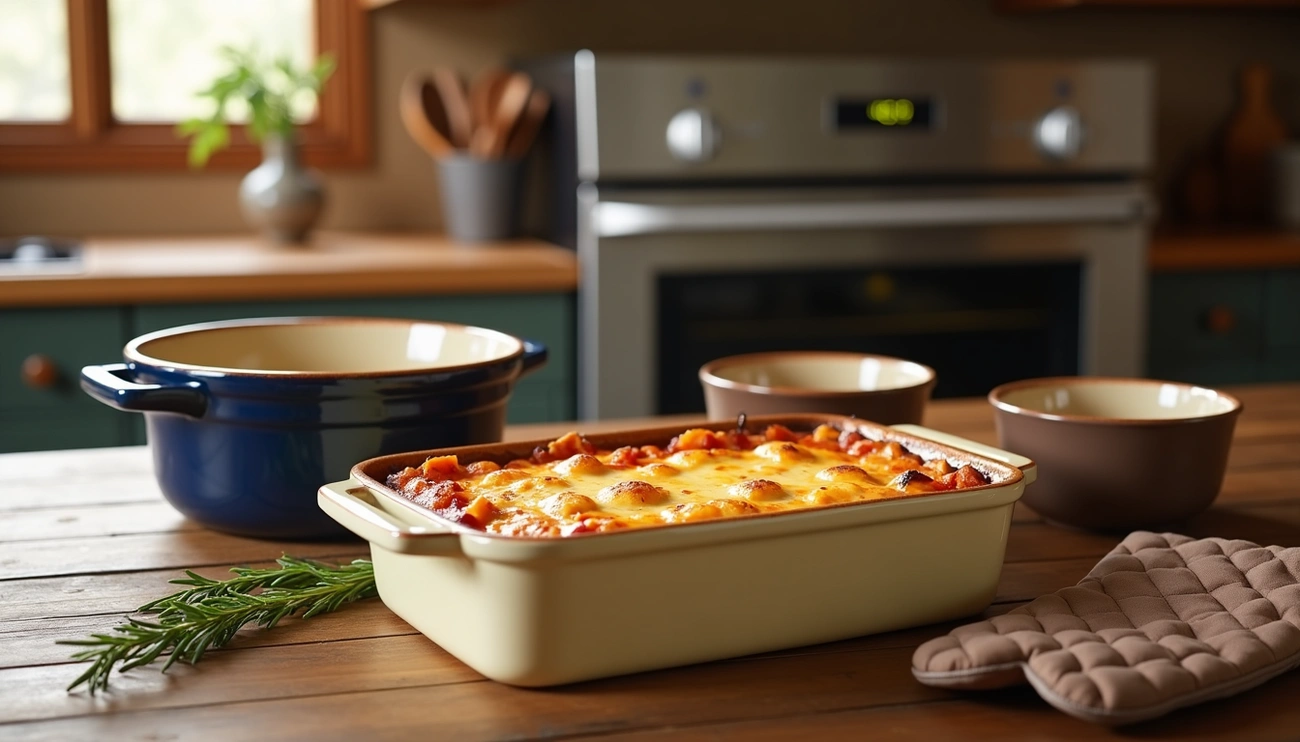
Most stoneware is oven-safe and handles temperatures up to 450°F–500°F for baking and roasting. Stoneware retains heat well and distributes it evenly. Prevent cracking by avoiding thermal shock, never placing cold stoneware into a hot oven, and never using stoneware on a stovetop.
Is Stoneware Oven Safe? The Short Answer
The simple answer is yes, stoneware can safely go in the oven – nevertheless, this comes with important caveats. Most quality stoneware is specifically designed to withstand oven temperatures, typically up to 450°F (232°C). This makes stoneware an excellent choice for baking, roasting, and slow cooking dishes that benefit from even heat distribution.
Yes, but with conditions
Stoneware excels in ovens primarily because it’s engineered for slow, even heat distribution. Yet there are crucial rules to follow. First, avoid thermal shock – never move stoneware directly from refrigerator to hot oven or place it under a broiler. Furthermore, at least two-thirds of the stoneware surface should be covered with food during cooking to prevent cracking. Dense, frozen foods should always be thawed before baking on stoneware. Following these guidelines ensures your stoneware remains intact and functional for years.
What ‘oven-safe’ really means
When manufacturers label stoneware as “oven-safe,” they’re essentially confirming the piece can withstand consistent, surrounding heat up to a specified temperature. This indicates the stoneware has been fired at sufficiently high temperatures during production to create structural integrity under heat. Typically, quality stoneware handles oven temperatures of 400°F or higher. The term “oven-safe” is often used interchangeably with “oven-proof,” which technically means the item can withstand “the temperature range of a kitchen oven”. Always check your specific piece’s rating, as exceeding recommended temperatures may result in damage.
Why not all stoneware is created equal
Not all stoneware offers identical heat resistance. Manufacturing quality plays a decisive role in determining how well your stoneware performs in the oven. Pieces fired at insufficient temperatures during production may be weak and porous, consequently making them vulnerable to cracking when heated. Modern, high-quality stoneware typically transitions seamlessly between cooking environments. Conversely, antique stoneware may have unknown heat tolerances, making oven use risky unless you’ve researched its specific manufacturing process. Branded products generally provide clear temperature guidelines, whereas unmarked pieces present a gamble. Quality stoneware feels substantial and balanced, with even glazing that helps protect against heat damage.
How to Tell If Your Stoneware Can Go in the Oven
Determining whether your stoneware can withstand oven heat requires a bit of detective work. Most modern stoneware pieces will handle oven temperatures comfortably, yet identifying exactly what your piece can tolerate remains crucial for safety and longevity.
Check for oven-safe markings
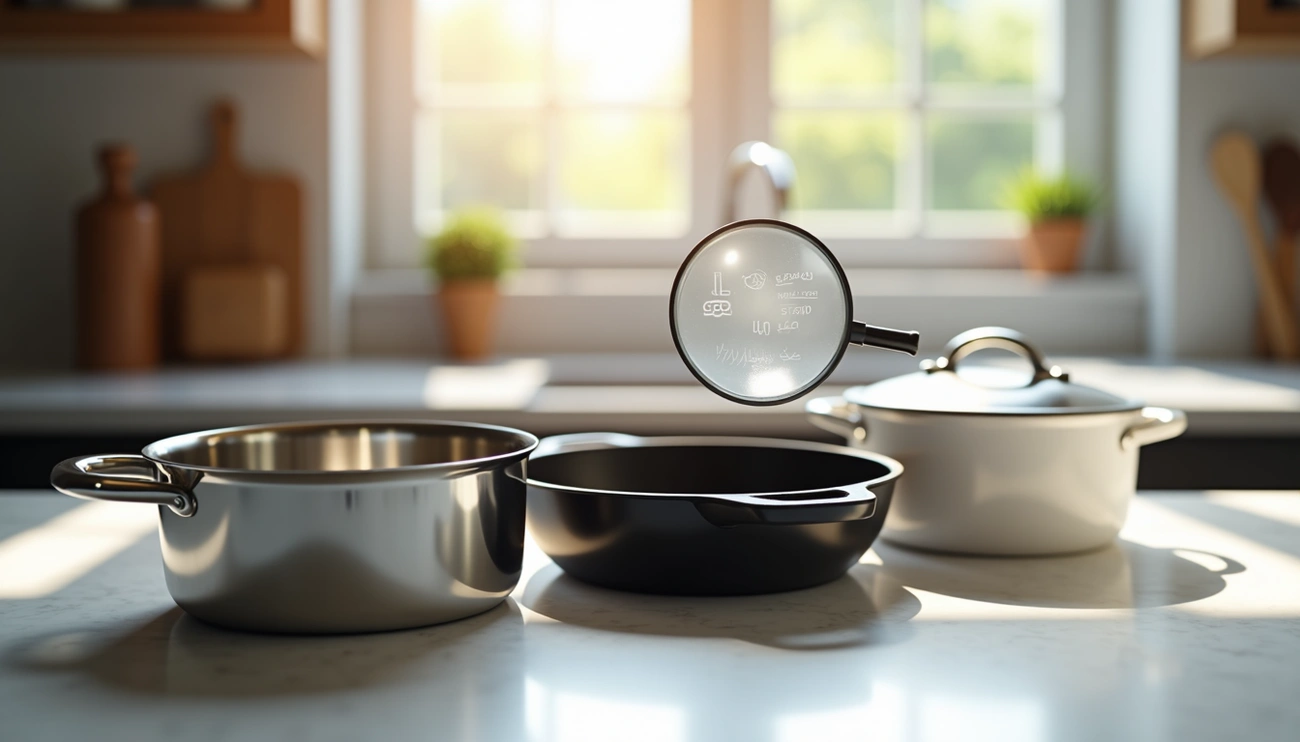
Initially, flip your stoneware piece over and examine its bottom surface. Reputable manufacturers typically include clear indicators about heat tolerance. Look for phrases such as “Oven Safe” or “Stoneware Oven Safe” stamped directly on the item. Many pieces also display temperature constraints (e.g., “up to 450°F/230°C”) that indicate maximum safe heating limits.
The most common oven-safe symbol resembles a simple drawing of an oven, sometimes accompanied by horizontal wavy lines. Don’t panic if you don’t see explicit markings—absence of labeling doesn’t automatically mean your stoneware isn’t oven-safe, although extra caution becomes necessary.
Look up the brand’s specifications
If markings aren’t apparent, consult the product documentation that accompanied your stoneware. Alternatively, visit the manufacturer’s website where usage guidelines are typically published. Notably, most contemporary brands provide specific temperature ranges and detailed usage instructions for their products.
Quality stoneware typically handles oven temperatures of 400°F or higher, yet these limits vary significantly between manufacturers. Accordingly, always verify the particular constraints for your specific brand and model before subjecting it to high heat.
Test with low heat first
For unmarked stoneware without accessible manufacturer information, a cautious testing approach works best. Begin by placing the empty piece in a cold oven, then gradually increase temperature to about 200°F (93°C). Allow the piece to heat slowly and cool completely before inspecting for damage.
Be particularly careful with handmade ceramic dishes—while beautiful, they aren’t necessarily designed for high-temperature applications. Similarly, exercise caution with antique pieces or those featuring metallic decorations, as these may not withstand modern oven temperatures.
Remember: sudden temperature changes present the greatest risk to stoneware. Allow refrigerated items to reach room temperature prior to oven placement to prevent thermal shock and potential cracking.
Best Ways to Use Stoneware for Baking
Stoneware’s excellent heat retention properties make it perfect for specific cooking techniques. This clay-based bakeware distributes heat uniformly throughout its structure, eliminating hot spots that cause inconsistent cooking results.
Ideal dishes to cook in stoneware
Stoneware excels with moisture-rich, slow-cooked foods that benefit from steady temperatures. Its exceptional heat retention makes it ideal for:
- Hearty stews, casseroles, and slow-cooked meals
- Breads and desserts that need crisp exteriors and moist interiors
- Roasted meats and vegetables that benefit from even cooking
- Baked pasta dishes like lasagna and ziti
The material’s thermal stability helps food maintain proper serving temperature—making it especially practical for family-style dining and gatherings.
Can you put stoneware in the oven directly from the fridge?
Absolutely not! This creates dangerous thermal shock. Never transfer stoneware directly from refrigerator to hot oven. Instead:
- Move refrigerated stoneware to room temperature first
- Let foods like casseroles rest 15-20 minutes before baking
- For frozen foods, thaw dense items completely in the refrigerator first
Small frozen items like pizza or french fries can go directly from freezer to stoneware, provided they’re evenly distributed.
Tips for even heating and cooking
For optimal results, cover at least two-thirds of the stoneware surface with food during cooking. This prevents thermal stress and ensures even heating. Most stoneware works with standard recipe temperatures, yet consider lowering temperatures by 25-50°F to prevent overbaking, since stoneware retains heat so well.
How long can stoneware go in the oven safely?
Most quality stoneware safely handles oven temperatures up to 450°F (232°C), while premium brands like Le Creuset can withstand up to 500°F. Practically speaking, stoneware can remain in the oven as long as needed for your recipe—from quick 30-minute bakes to hours-long slow roasts. The limiting factor isn’t time itself, rather adhering to maximum temperature ratings provided by the manufacturer.
Caring for Your Stoneware After Oven Use
Proper aftercare truly extends the life of your stoneware, making it a worthy investment for years of oven use. First and foremost, protect your stoneware from the number one enemy: thermal shock.
Cooling down properly
After removing stoneware from the oven, allow it to rest for 5-10 minutes before serving. This waiting period helps steam escape, naturally loosening food from the sides. Never place hot stoneware directly into cold water or the refrigerator, as sudden temperature changes cause thermal shock that leads to cracks and breakage. Instead, let pieces cool completely to room temperature before washing.
Cleaning without damaging the glaze
Once cooled, soak your stoneware in warm, soapy water to loosen residue. Use only soft nylon brushes or non-abrasive sponges, as steel wool creates microscopic scratches where food sticks later. For stubborn residue, make a paste of baking soda and water – this gentle solution effectively cleans without damaging glazes. Most modern stoneware can go in dishwashers, yet hand washing maintains appearance and longevity.
Storing stoneware safely
Ensure stoneware is completely dry before storing to prevent water spots and mold growth. Stack similar-sized pieces with soft cloth liners between them to prevent scratches. Keep stoneware in cool, dry cabinets away from temperature fluctuations – no hot attics or cold basements where conditions could weaken the material over time.
When to replace your stoneware
Conduct regular inspections for glaze cracks, chips, or crazing (spiderweb-like patterns). These imperfections can harbor bacteria, creating health hazards. Upon discovering damage, immediately discontinue use and replace the piece. With proper care, quality stoneware remains functional and beautiful for years.
Conclusion
Stoneware stands as one of the most versatile and reliable kitchen companions for oven cooking. Throughout this guide, we’ve explored how stoneware safely handles oven temperatures up to 450°F, while premium brands might withstand even higher heat. This exceptional heat retention makes stoneware perfect for everything from crusty breads to juicy casseroles.
Remember that safety remains paramount when working with stoneware. Always check manufacturer markings or specifications before first use. Likewise, allow your pieces to reach room temperature before placing them in a hot oven, thus preventing dangerous thermal shock that leads to cracking.
The beauty of quality stoneware lies not just in its functionality but also its longevity. We can expect our favorite stoneware dishes to last years, perhaps decades, with proper care. This durability makes stoneware an excellent investment for any kitchen.