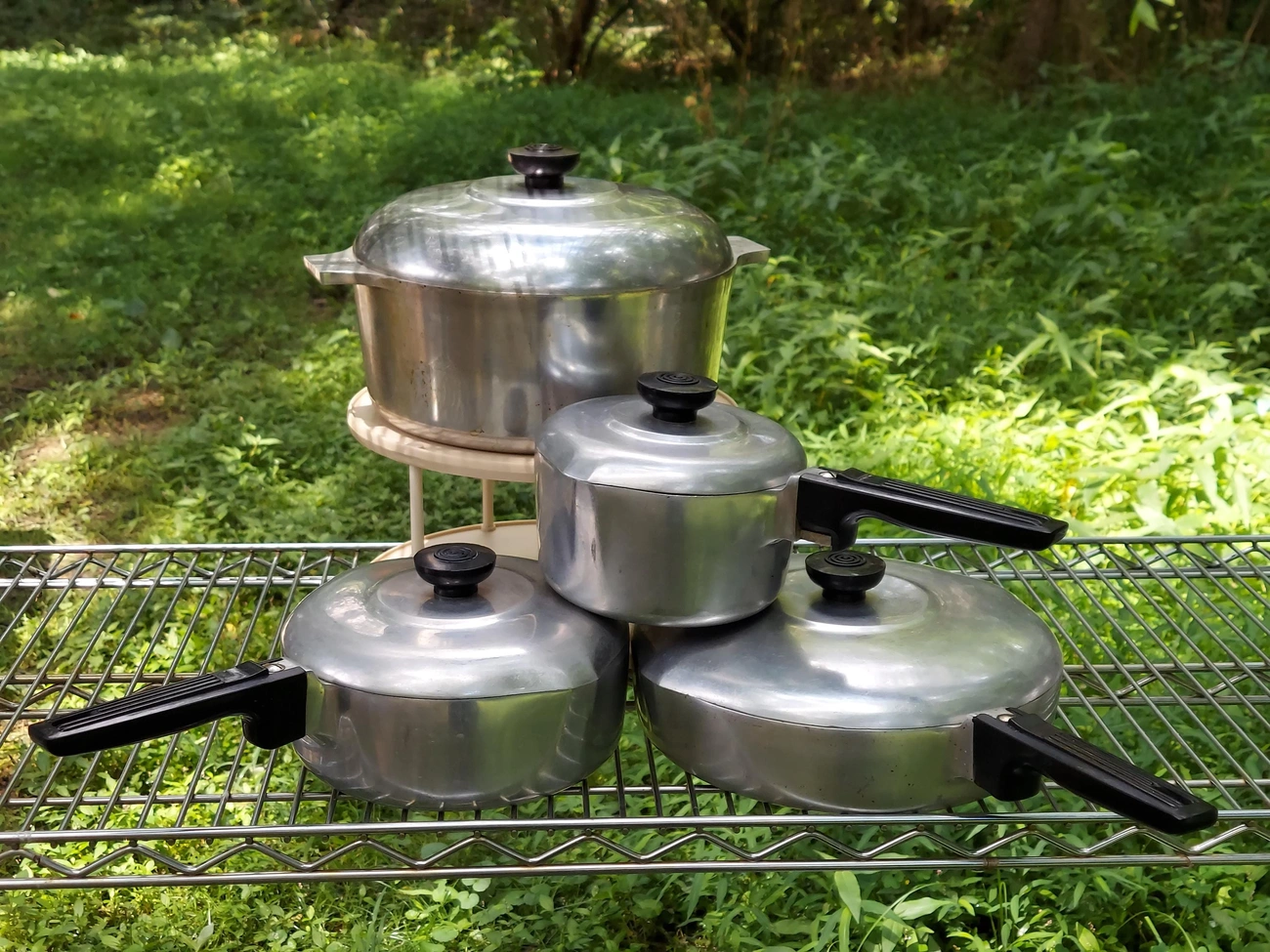
Yes, Magnalite cookware is safe for cooking because it is made from a durable cast aluminum and magnesium alloy. Magnalite is generally non-toxic and oven safe. Avoid cooking highly acidic foods, such as tomato sauce, for extended periods to reduce potential aluminum leaching. Magnalite typically does not contain non-stick coatings.
What is Magnalite Cookware Made Of?
Magnalite cookware originated in 1934 when Wagner Manufacturing Company developed a unique metal alloy that would change American kitchens forever. Unlike ordinary pots and pans, Magnalite features a special composition that gives it distinctive cooking properties.
Aluminum as the core material
The heart of Magnalite cookware is its cast aluminum construction. Yet Magnalite isn’t simply aluminum—it’s a proprietary aluminum-magnesium alloy that sets it apart from standard cookware. Each piece was individually cast from molten metal, allowing for strategic thickness variation throughout the pot or pan. This thoughtful design creates thick, rounded bases and thinner sides, enabling remarkably even heat distribution while maintaining manageable weight.
The precise composition of this alloy matters tremendously. As one expert explains, original Wagner Magnalite contained such exact compounds that modern tests using X-ray diffraction show incredibly consistent metal content in vintage pieces. In contrast, modern reproductions often contain less consistent aluminum percentages.
Non-stick coating in newer models
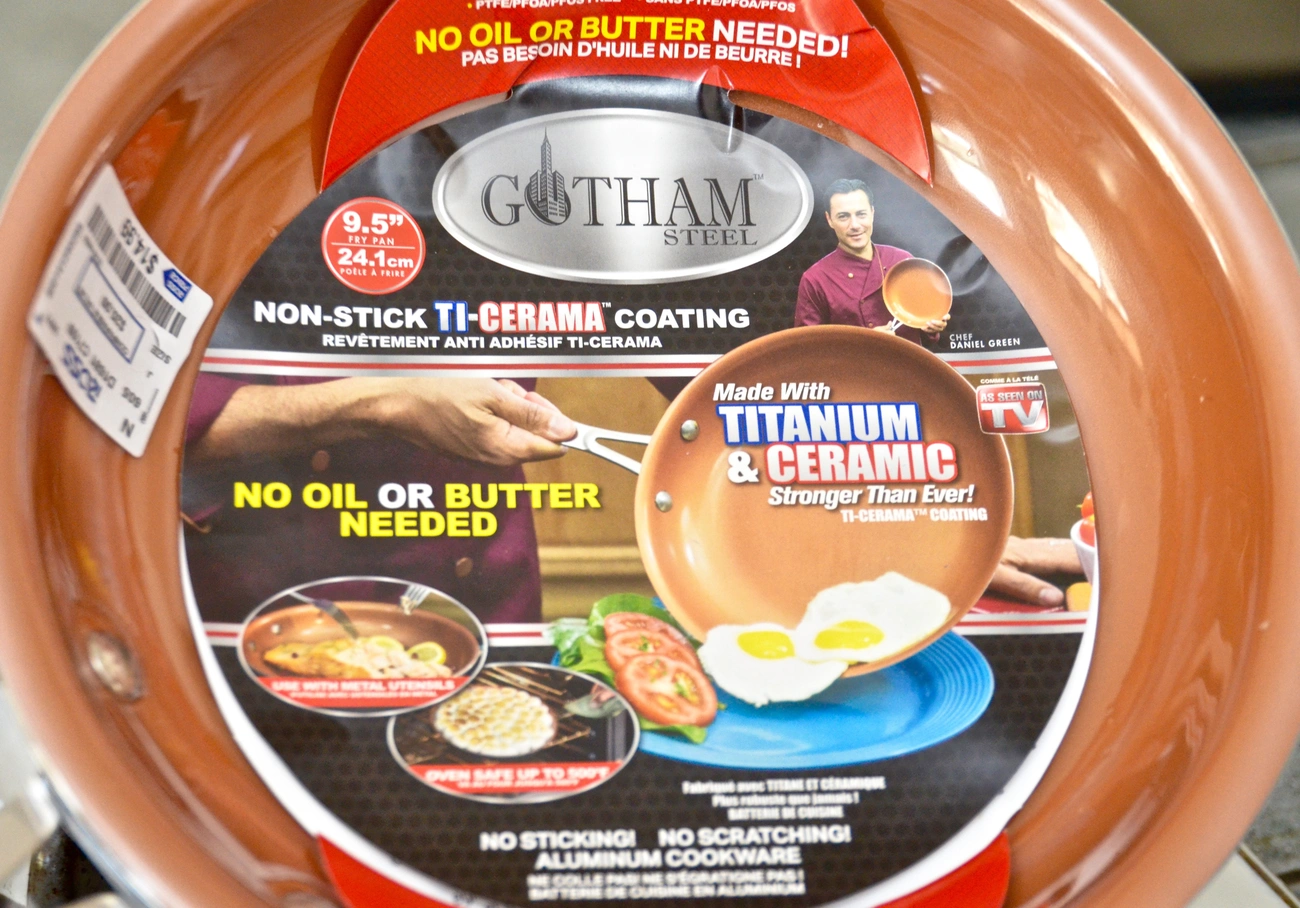
While classic Magnalite developed a natural cooking surface similar to well-seasoned cast iron, contemporary versions introduced different surface treatments. Modern Magnaware products advertise being PFOA & PTFE free, containing no lead, nickel, or cadmium. Some professional lines feature hard-anodized coating that creates a non-reactive surface, making it suitable even for acidic foods.
Why it became popular in American kitchens
Magnalite’s popularity soared across post-World War II America for several practical reasons. First, it offers exceptional heat conductivity—heating up to 5 times faster than cast iron while distributing temperature evenly across the entire cooking surface. Additionally, its versatility allows seamless transitions from stovetop to oven (up to 400°F) and even from refrigerator to stovetop.
The cookware’s remarkable durability also contributed to its devoted following. Many pieces from the 1950s remain in active use today, passed down through generations as cherished kitchen heirlooms. Professional chefs particularly embraced a sturdy, professional-grade line introduced in the 1970s.
Over time, Louisiana emerged as Magnalite’s dominant market, where it became especially prized for Cajun dishes like gumbo and jambalaya. Though large-scale production ended in the late 1990s, Magnalite’s legacy continues through a thriving secondary market fueled by generations of shared Magnalite memories.
Is Aluminum in Magnalite Safe?
Aluminum cookware, including Magnalite, raises questions about metal leaching into food during cooking. Let’s examine what science tells us about these concerns.
How aluminum interacts with food
Aluminum reacts with acidic and salty foods, causing the metal to leach into meals. This leaching effect increases with higher temperatures, longer cooking times, and more acidic ingredients. Consequently, foods like tomato sauce, citrus products, and sauerkraut cause aluminum to transfer more readily from cookware. Research shows that the leaching of metals from aluminum cookware occurs in a pH-dependent manner, with acidic food causing more metals to leach during cooking.
Studies on aluminum and cancer risk
Research exploring aluminum’s potential role in cancer development remains inconclusive. Studies have shown that aluminum can have toxic effects on intestinal epithelial cells, potentially decreasing cell viability and increasing reactive oxygen species generation. Moreover, some laboratory studies suggest that long-term exposure to aluminum could make cancer cells more aggressive and prone to migration. Nevertheless, a direct causal relationship between aluminum cookware and cancer has not been established.
Limitations of current research
Despite concerns, most research on aluminum toxicity comes from laboratory or animal studies that don’t directly translate to human health impacts. The World Health Organization has established a tolerable weekly intake (TWI) of 1 mg of aluminum per kg of body weight, yet the average adult consumes between 0.2 and 2.5 mg/kg body weight weekly through diet alone. Notably, this intake comes primarily from food additives and processed foods rather than cookware.
Is Magnalite aluminum cookware safe?
For most healthy adults, Magnalite presents minimal risk when properly used. Hard-anodized Magnalite is considered almost chemically inert at normal cooking temperatures. According to health authorities, using aluminum cookware contributes only a small percentage of daily aluminum exposure. Still, experts recommend certain precautions:
- Avoid cooking highly acidic or salty foods in aluminum cookware
- Use non-metal utensils to prevent surface scratching
- Don’t store food in aluminum cookware for extended periods
The FDA monitors levels of leachable metals in cookware to protect public health, which provides an additional safety layer for consumers using Magnalite products.
Does the Non-Stick Coating Pose a Risk?
Beyond aluminum concerns, newer Magnalite models with non-stick coatings present additional health considerations worth examining.
What is PFOA and why it matters
PFOA (perfluorooctanoic acid) belongs to a chemical family called PFAS or “forever chemicals.” Until 2013, PFOA was commonly used in manufacturing non-stick cookware coatings like Teflon. These chemicals persist in the environment and our bodies since they don’t break down easily. In 2023, the International Agency for Research on Cancer upgraded PFOA from a “possible human carcinogen” to a “carcinogenic to humans” classification.
Evidence from lab and animal studies
Laboratory studies have shown PFOA induces liver, testicular, and pancreatic tumors in male rats. In another study, rats exposed to PFOS throughout pregnancy birthed newborns with serious, dose-dependent harmful effects.
Human studies on PFOA and cancer
Human research has established concerning links between PFOA exposure and cancer. Studies found higher kidney cancer incidence among individuals with high PFOA exposures. Elevated blood levels of PFOS were likewise associated with higher risk of testicular cancer. Recent investigations suggest PFOA and PFOS may be differentially associated with breast cancer subtypes.
Is Magnalite safe to cook with if scratched?
Regarding scratched surfaces, non-stick coatings that aren’t intact are more likely to flake into food. Since most non-stick pans need replacement every few years, older scratched Magnalite with non-stick coating may pose higher risks. Experts recommend cooking on low to medium heat, using wooden utensils to prevent scratching, and avoiding high temperatures that might release chemicals.
How to Use and Maintain Magnalite Safely
Proper maintenance ensures your Magnalite cookware remains both safe and functional for years to come. Having explored what these pots are made of and potential health considerations, let’s examine practical ways to use them safely.
Avoiding high heat and metal utensils
Cooking on low to medium heat not only preserves your cookware but also prevents potential health risks. Most non-stick coatings can withstand temperatures up to 260°C, yet staying below this threshold extends their lifespan. Simultaneously, avoid metal utensils that can scratch surfaces – opt instead for wooden spatulas and spoons. These scratches don’t just affect cooking performance; they may compromise protective coatings.
When to replace old or damaged cookware
Generally, replace aluminum or non-stick cookware every 2-3 years. Certainly, visible gouges or scratches in the coating signal it’s time for replacement. This guideline applies primarily to newer Magnalite with non-stick surfaces – classic pieces often last decades with proper care.
Tips for cleaning and storage
Handwashing is essential – dishwashers can damage Magnalite’s finish. For routine cleaning, use mild dish soap, warm water, and a soft sponge. For stubborn residue, create a paste of baking soda and water, allowing it to sit for 30 minutes. After cleaning, dry thoroughly to prevent oxidation. When storing, place cloth between stacked pieces to prevent scratching.
Is old Magnalite cookware safe to use?
Firstly, inspect for deep pitting, cracks, or warping – minor surface oxidation is normal. Vintage pieces without structural damage remain safe for most cooking tasks. Nonetheless, reserve these pots for neutral foods rather than acidic ingredients like tomatoes or vinegar.
Conclusion
Magnalite cookware certainly holds a special place in American kitchens, though we must carefully consider its safety implications. The aluminum-magnesium alloy offers excellent heat conductivity and durability, yet requires thoughtful usage to minimize potential risks. While classic Magnalite develops a natural cooking surface similar to cast iron, newer models with non-stick coatings warrant additional caution due to possible PFOA content.
Acidic and salty foods tend to cause more aluminum leaching, therefore using Magnalite primarily for neutral foods represents a prudent approach. Although scientific evidence hasn’t conclusively linked aluminum cookware to cancer, taking preventive measures makes sense. These include cooking at lower temperatures, avoiding metal utensils that scratch surfaces, and not storing food in these pots and pans for extended periods.
For those cherishing vintage Magnalite pieces, a thorough inspection for structural damage should precede usage. Most older pieces without deep pitting or cracks remain safe for everyday cooking. Alternatively, newer Magnalite products advertise being free from concerning chemicals like PFOA and PTFE, offering potentially safer options.