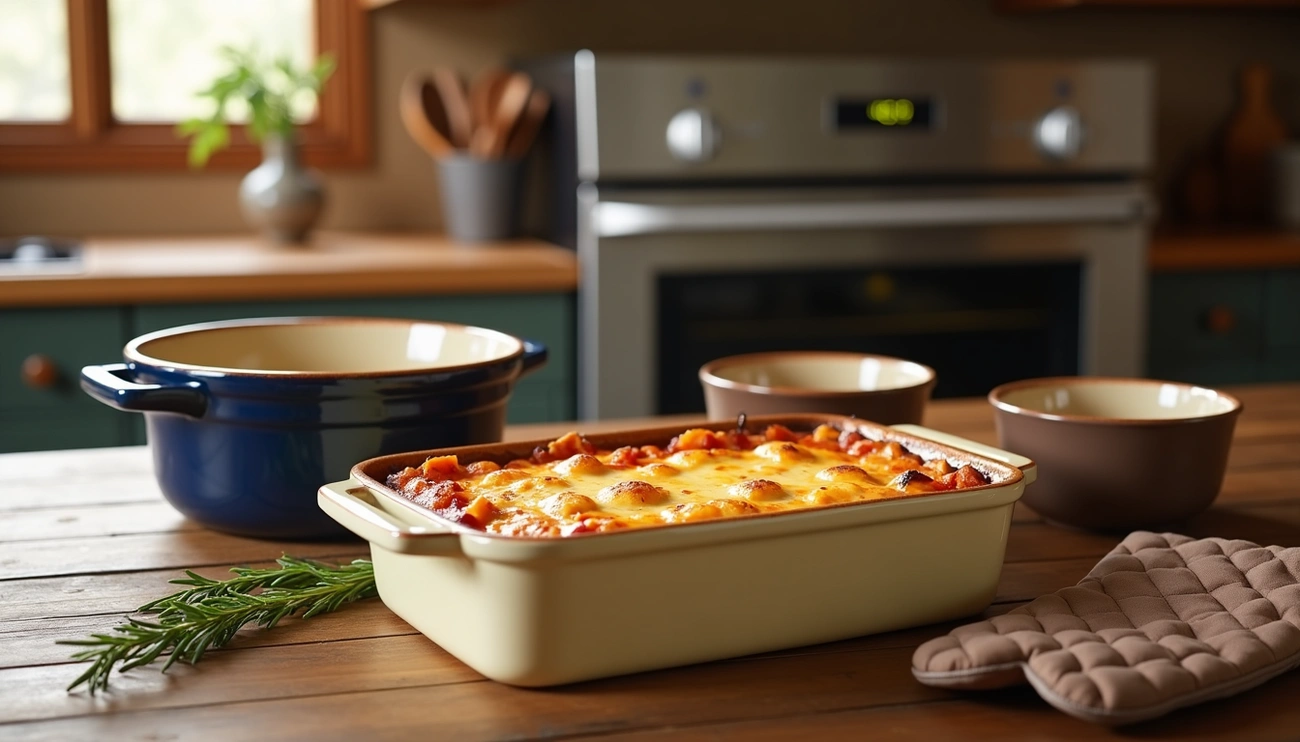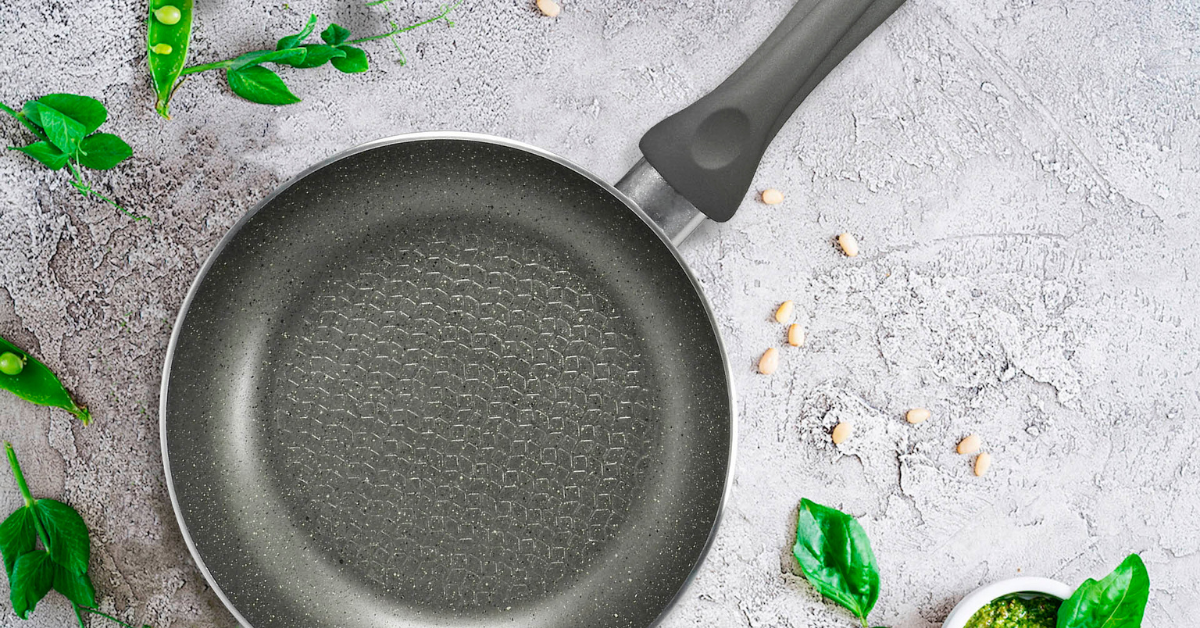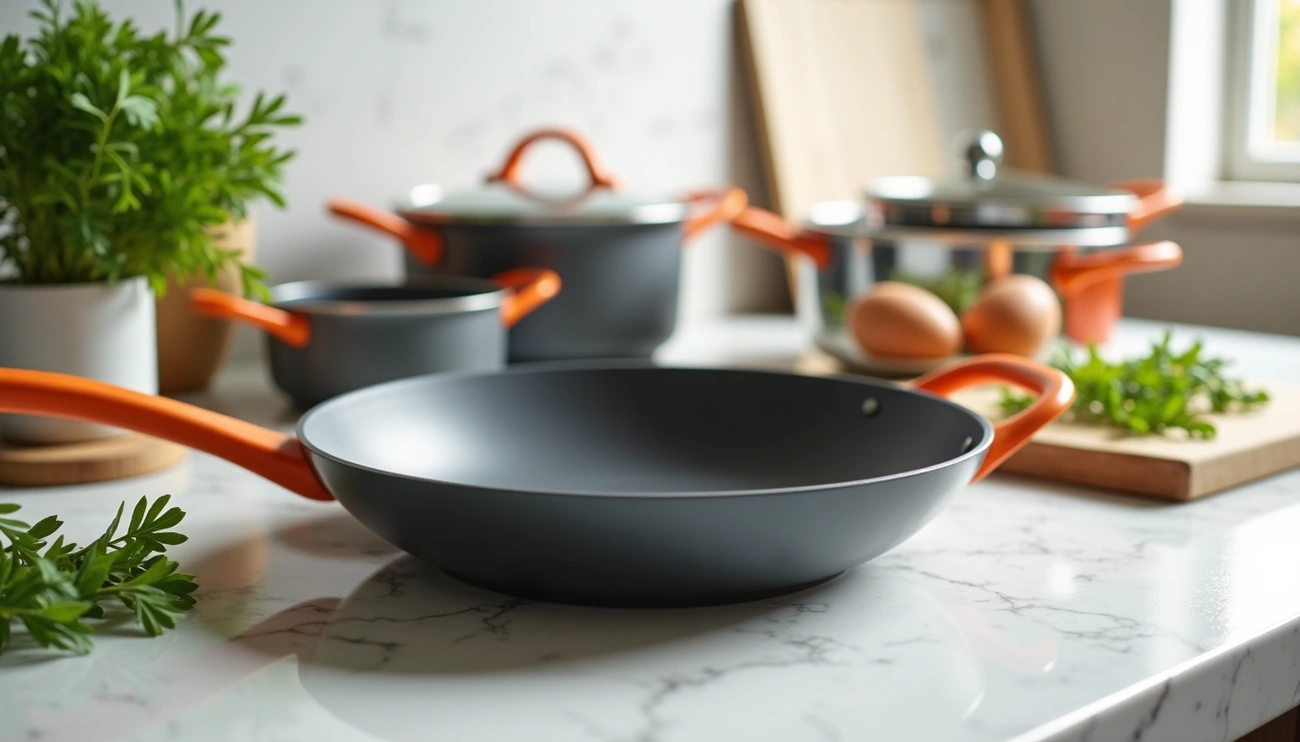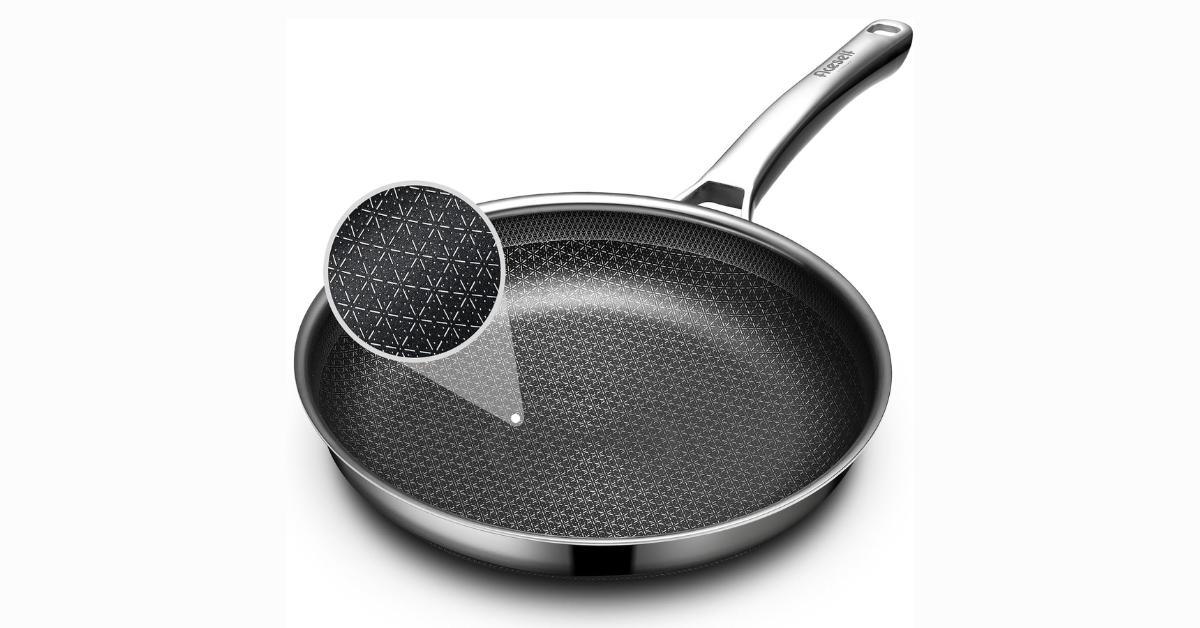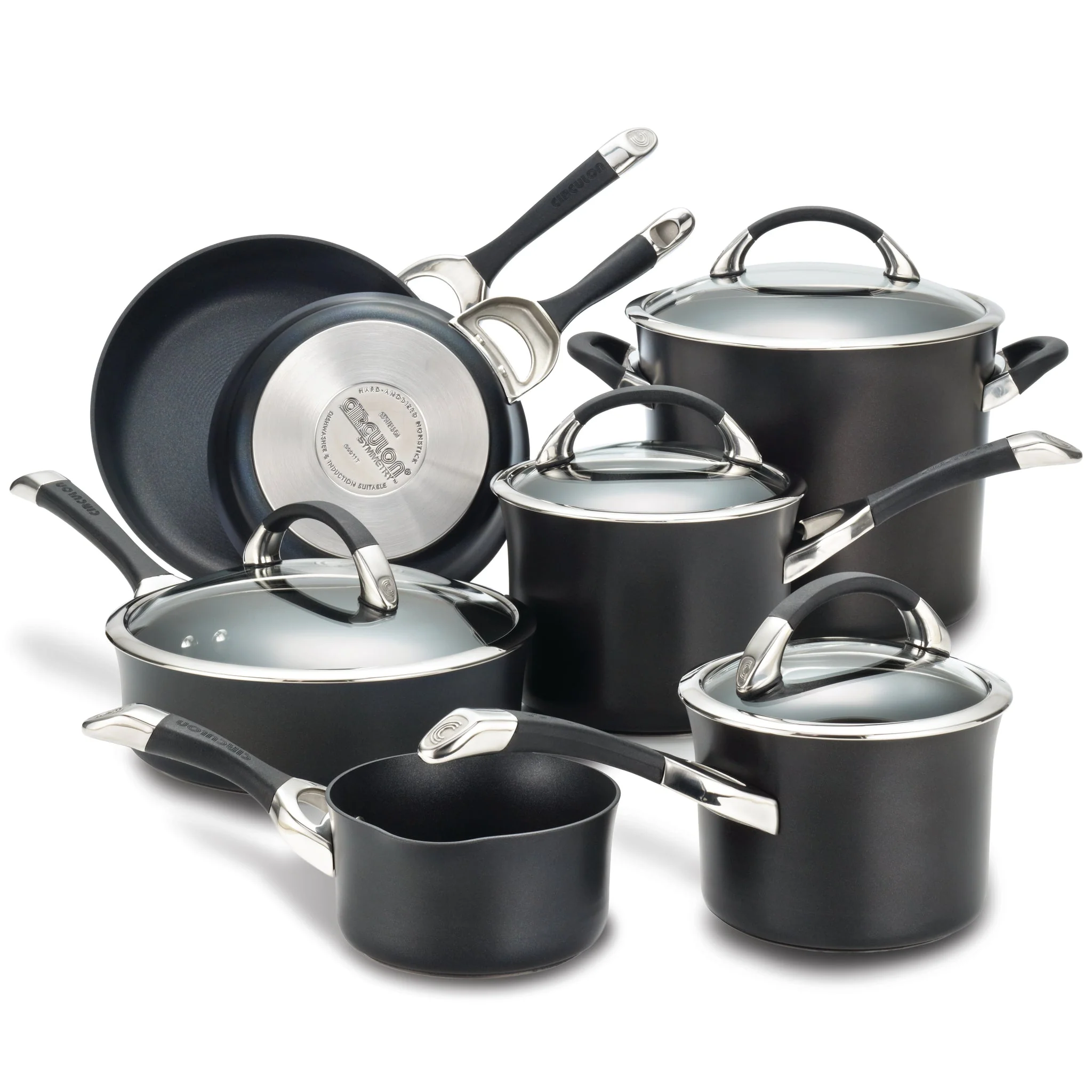
Yes, Circulon cookware is safe because it uses a PFOA-free nonstick coating that meets FDA and EU food contact safety standards. Circulon features hard-anodized aluminum construction for durability and even heating. Most Circulon lines are oven safe up to 400°F to 500°F and many are dishwasher safe for easy cleaning.
Is Circulon Cookware Safe for Everyday Use?
Circulon has established itself as a trusted brand in the cookware industry, primarily due to its commitment to safety standards. The company takes pride in producing extremely safe cookware that has been rigorously tested by independent third-party labs. These tests confirm that Circulon nonstick surfaces meet or exceed FDA and European Union standards for food contact safety when proper use and care guidelines are followed.
FDA and global safety approvals
Throughout the manufacturing process, Circulon ensures its products comply with international safety regulations. According to the company, their nonstick coating is manufactured to comply with both FDA and EU regulations for food contact safety standards. Furthermore, health regulatory agencies worldwide have approved the use of nonstick coatings on houseware products. This global acceptance stems from over four decades of laboratory testing and real-world use in both home and commercial kitchens.
Before any Circulon product reaches the market, the nonstick coatings undergo exhaustive studies at specialized laboratories like the Haskell Laboratory for Health & Environmental Sciences, with the FDA deeming them acceptable for conventional kitchen use.
What users say about long-term use
Many long-term Circulon users report positive experiences with the cookware’s safety and durability. Consistent performance remains a common theme among customer feedback, with many noting that their cookware maintains effectiveness after years of regular use.
One customer who had been using Circulon for years stated they were “unaware” of any toxic effects from the cookware. Moreover, users frequently mention minimal wear and tear despite extended use, with handles remaining sturdy and colors staying vibrant.
Is Circulon non toxic and PFOA-free?
Circulon’s TOTAL® nonstick system is marketed as “completely safe and non-toxic”. Nevertheless, there is some variation in information regarding specific compounds. While some product materials state they are “made without PFAS”, other product pages acknowledge containing intentionally added PFAS because of its superior nonstick properties.
What remains consistent is that Circulon cookware is PFOA-free. PFOA (perfluorooctanoic acid) is a synthetic chemical compound that was previously used in manufacturing nonstick coatings but has since been eliminated due to health concerns. Consequently, regulatory agencies worldwide have concluded that PTFE nonstick manufactured without PFOA poses no risk to consumers.
Should particles from the nonstick coating accidentally chip off and be ingested, the FDA has stated that these particles pose no health threat as they are nontoxic and inert, passing directly through the body without being absorbed.
How to Use Circulon Cookware Safely
Proper usage techniques directly impact how safe Circulon cookware remains over its lifetime. Following manufacturer guidelines helps preserve both performance and safety features built into these pans.
Recommended heat levels for Circulon pans
Circulon cookware works best on low to medium heat settings. This isn’t just a suggestion—it’s a requirement for maintaining safety and performance. Typically, these pans distribute heat extremely well at lower temperatures, making high heat unnecessary even for browning or searing foods. As a result, Circulon products cook approximately 20% faster and more evenly than conventional cookware.
For optimal results, preheat your pan on medium heat for at least one minute before adding food. This provides sufficient temperature without risking damage to the nonstick surface.
Why you should avoid overheating
Excessive heat is particularly harmful to Circulon’s nonstick coating. Continuous high heat may damage the coating, increasing the likelihood of food sticking and causing discoloration. Generally speaking, Circulon nonstick cookware should never exceed temperatures of 400°F (204°C).
At temperatures above 500°F (260°C), the coating quality begins to deteriorate. Above 600°F (316°C), coatings may start to decompose and potentially release harmful fumes. Yet it’s worth noting that at these extreme temperatures, food would already be burned beyond edibility.
Tips for safe nonstick cooking
First and foremost, never leave Circulon cookware unattended on a hot burner. Equally important, avoid heating empty pans, as this can rapidly increase temperature and damage the nonstick surface.
For everyday safety:
- Match pan size to burner size and adjust gas flames so they don’t extend up the sides
- Position handles away from other burners to prevent overheating
- Always use potholders, as handles may become hot during extended cooking
- Avoid using cooking sprays directly on pans—they can create an invisible buildup that impairs nonstick performance
Throughout use, remember that maintaining appropriate heat levels remains the primary factor in ensuring Circulon cookware stays safe for daily cooking.
What Happens If Circulon Cookware Is Overheated?
Accidentally overheating your Circulon pan happens to even careful cooks occasionally. Understanding what occurs when temperatures climb too high helps you identify problems early and take appropriate action.
Signs of coating damage
Overheating Circulon cookware with continuous or prolonged high-heat exposure causes permanent damage to the nonstick surface. First signs of trouble include golden or brown discoloration of the nonstick coating, which indicates heat damage has begun. As damage progresses, you’ll notice the pan losing its nonstick abilities, absorbing grease and oils unusually. In severe cases, the coating may even peel or lift away from the surface.
Beyond appearance changes, another telltale sign is simply performance decline – food sticking indicates the coating has deteriorated. Notably, older pans may develop light or dark spots as food builds up, although this alone doesn’t necessarily mean the pan is unsafe.
Are fumes from Circulon pans toxic?
At normal cooking temperatures, Circulon pans pose no health concerns. However, at temperatures exceeding 500°F (260°C), the quality of the coating may deteriorate. Above 600°F (316°C), nonstick coatings can begin to decompose and potentially release fumes. These fumes may cause “polymer fume fever,” a temporary flu-like condition with symptoms including fever, chills, headache and muscle tension.
Importantly, this scenario is unlikely in normal cooking, as food would burn beyond edibility before reaching these extreme temperatures. Although concerning, polymer fume fever requires no special treatment and has no long-term health effects.
What to do if you overheat your pan
If you suspect you’ve overheated your pan, immediately remove it from the heat source and ventilate the area. Under no circumstances should you pick up a pan that has boiled dry or shows molten aluminum – instead, turn off the burner, allow the pan to cool completely, then discard it.
After minor overheating incidents, inspect the pan for damage. If it shows significant discoloration or coating damage, it might be time for replacement. Above all, never reuse a pan that has been allowed to boil dry.
Special Considerations and Common Concerns
Beyond basic usage tips, several specific concerns about Circulon cookware safety deserve attention. Let’s address the most common questions I receive from concerned cooks.
Is Circulon hard anodized cookware safe?
Circulon’s hard anodized cookware is indeed safe for everyday cooking. The ScratchDefense™ nonstick finish complies with both FDA and EU regulations for food contact safety standards. These products undergo independent third-party laboratory testing to ensure they meet rigorous safety requirements. Certainly, this testing provides reassurance that the cookware won’t release harmful substances during normal kitchen use.
Can pets be affected by overheated cookware?
Birds are especially vulnerable to cookware fumes. Unlike mammals, birds have particularly sensitive respiratory systems that can be severely damaged by fumes from overheated nonstick cookware. Tragically, these fumes can kill birds quickly and violently as they become unable to breathe. For bird owners, it’s essential to keep feathered companions out of the kitchen entirely, maintain good ventilation, and never allow cookware to overheat.
What if you accidentally ingest coating flakes?
Fortunately, should small pieces of coating flake off and be accidentally consumed, there’s no cause for alarm. According to the FDA, these particles are completely non-toxic and inert. Unlike many chemicals, they simply pass through the digestive system without being absorbed by the body.
Conclusion
Circulon cookware stands as a safe option for everyday cooking when used according to manufacturer guidelines. Throughout this article, we’ve examined the safety aspects of these popular pots and pans, finding substantial evidence supporting their non-toxic nature. Most importantly, the extensive testing and compliance with FDA and EU standards provide reassurance for home cooks concerned about potential health risks.
After all, the key to maintaining Circulon’s safety lies in proper usage techniques. Cooking at low to medium heat not only preserves the nonstick coating but also prevents any possibility of harmful fume release. You should remember that temperatures above 500°F can damage the coating, though food would be burned beyond recognition before reaching truly dangerous levels.
Bird owners must take additional precautions due to their pets’ sensitive respiratory systems. Therefore, keeping feathered companions away from the kitchen altogether remains the safest approach.
Undoubtedly, millions of satisfied users worldwide confirm what laboratory testing has shown – Circulon cookware delivers both performance and safety when handled correctly. The absence of PFOA, combined with the inert nature of any potential coating particles, further supports the overall safety profile of these products.