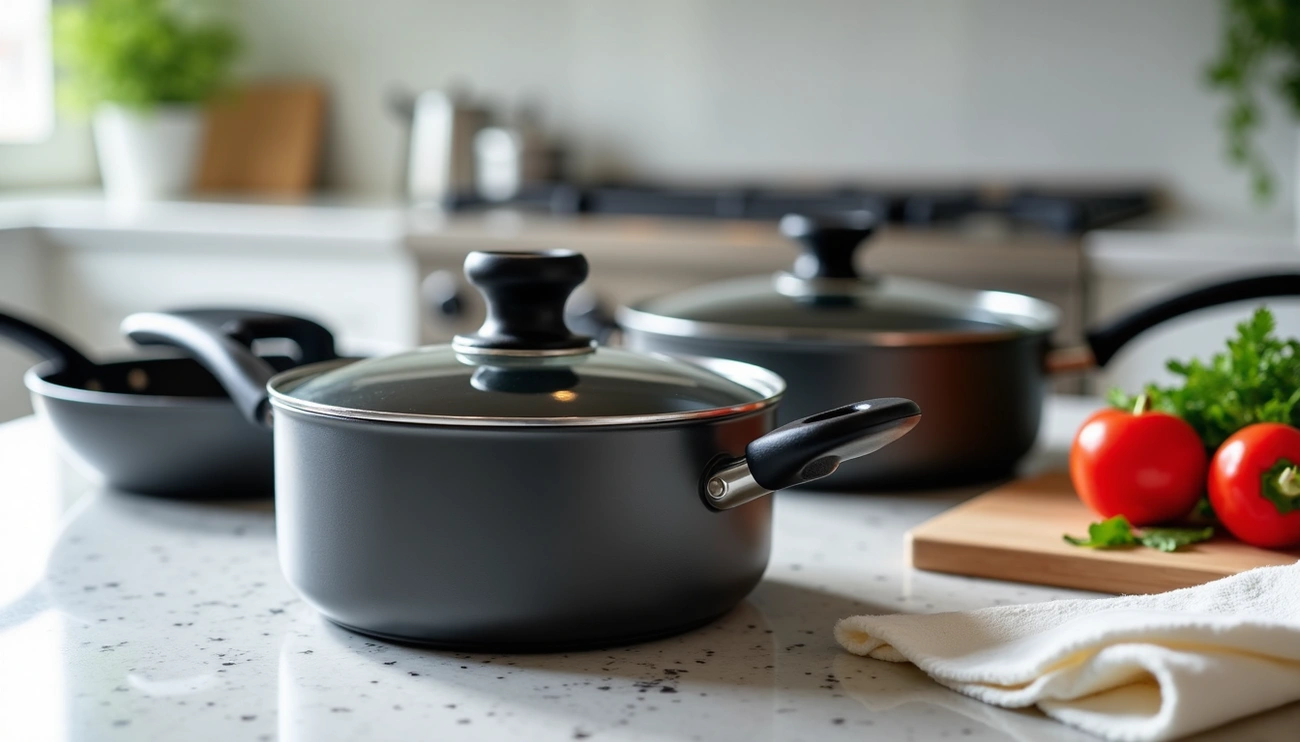
Hawkins Futura cookware is generally considered safe because it uses hard-anodized aluminum that is non-reactive to food and resistant to corrosion. The range includes hard-anodized and PFOA-free nonstick options. Futura cookware remains safe and durable when used with low-to-medium heat and non-metal utensils.
What is Futura Hard Anodized Cookware?
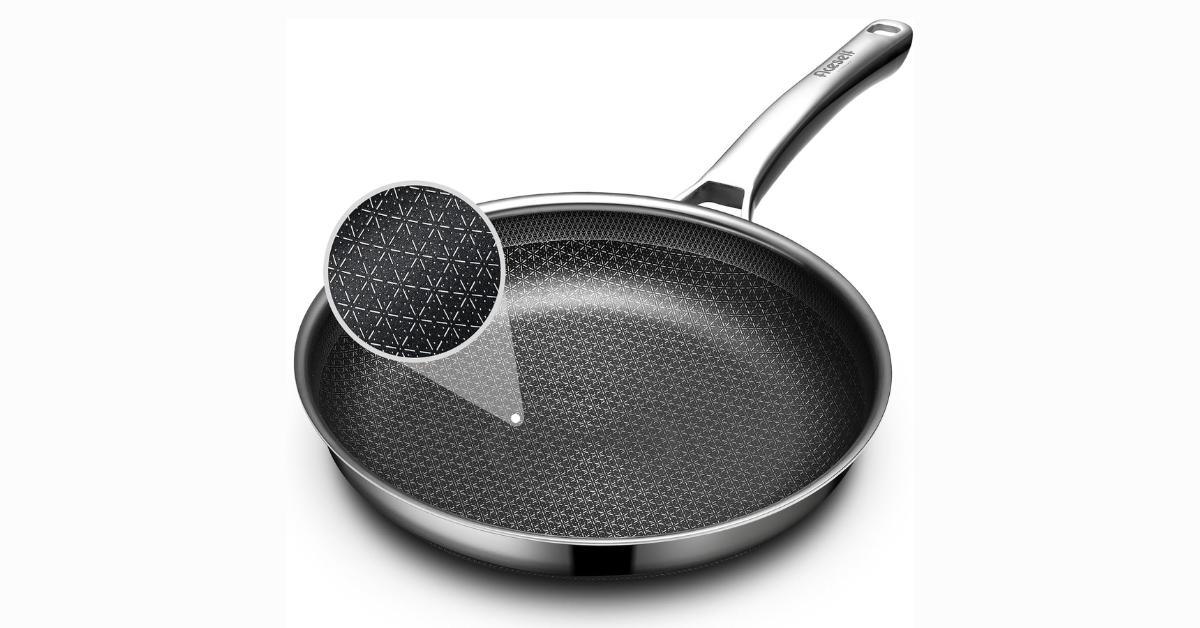
Futura hard anodised cookware represents a specialized category of aluminum-based cooking vessels that undergo an advanced surface treatment. The brand manufactures cookware from heavy gage, commercially pure aluminum ranging from 3.25mm to 6.35mm thick for optimal heat dispersion. This construction ensures steady heat retention while maintaining durability.
The Hard Anodization Process
The safety of hard anodized cookware begins with understanding how it’s manufactured. Futura employs a hard anodization technology initially developed by Russian scientists for space travel applications. The process involves electrolysis at sub-zero temperatures using high-intensity electric current, which creates a 60 micron thick layer of aluminum oxide (Al2O3).
Note that this oxide layer forms molecule by molecule as an integral part of the metal itself, not merely as a coating applied to the surface. The electrochemical process submerges aluminum in a sulfuric acid solution while passing electric current through it, resulting in a protective oxide layer that’s harder than steel. Voltage adjustments during this process control the thickness of the anodized layer, which typically reaches at least 0.3mm in most hard anodized cookware.
Material Composition and Construction
Futura Pro models feature extra-thick hard anodized aluminum bodies measuring 4.06mm in gage thickness. This heavy construction withstands rigorous use without bulging or warping. The cookware maintains a flat, well-balanced profile suitable for both home and professional kitchens.
The base material consists of wrought aluminum in 31000 grade (EN Aluminum 3003 grade) for most models. Whereas standard aluminum pans can react with acidic ingredients, the hard anodized surface on Futura cookware is non-reactive.
Key Features of Futura Cookware
The Futura hard anodised surface delivers multiple functional benefits. In reality, this cookware is non-toxic, non-staining, and non-reactive with foods. The thermal-efficient surface heats quickly and evenly without damage from high temperatures.
The cookware resists pitting, tarnishing, and corrosion, maintaining its appearance for years. Futura backs this durability with a written five-year guarantee included in each package. The handles consist of rugged stainless steel designed to resist heat and stay cooler longer than ordinary handles.
Is Futura Hard Anodized Cookware Safe?
The safety of hard anodized cookware has been confirmed by food safety experts and regulatory bodies. When purchasing anodized cookware, experts recommend it as a food-safe option because the metals don’t lift into food. High-quality hard anodized cookware is generally considered safe and non-toxic, containing no harmful substances such as PFAS, PFOA, PFOS, lead, or cadmium.
Safety of the Anodized Surface
The anodized layer creates a stable, non-reactive barrier that prevents the underlying aluminum from interacting with food. Because the aluminum is sealed during anodization, it does not leach aluminum into food, even when cooking acidic ingredients. The oxide layer formed during the oxidation process acts as a barrier preventing further aluminum leaching. Anodized aluminum is sealed so that the metal cannot leach into food or react with acidic foods.
Non-Reactive Properties for Food Safety
Futura’s hard anodised surface is non-toxic, non-staining, and non-reactive with foods. The anodized surface is chemically stable and doesn’t react with acidic foods, ensuring no chemicals or metals leach into food during cooking. Testing by Clemson University Extension’s Home and Garden Information Center found anodized aluminum cookware to be safe.
Aluminum Leaching Concerns Explained
Research confirms that properly manufactured and maintained aluminum cookware poses minimal health risks for everyday cooking. Extensive research by the FDA and EPA confirms that PTFE-coated hard anodized cookware is safe under normal cooking conditions. However, if the anodized layer gets scratched or damaged, the underlying aluminum may become exposed, potentially leading to leaching.
Heat Resistance and Chemical Stability
Hard anodized cookware can withstand high temperatures up to 400°F without losing non-stick properties or warping. The anodized finish is chemically stable, does not decompose, and is heat-resistant to aluminum’s melting point of 1,221°F. At exceedingly high heat levels beyond maximum temperature ratings, hard anodized surfaces can begin to break down.
Futura Cookware Safety Considerations
Proper usage practices determine whether hard anodized cookware maintains its safety characteristics over time. I’ve found that following manufacturer guidelines prevents surface degradation and ensures optimal performance.
Proper Heat Usage and Temperature Limits
Hard anodized cookware heats up quickly, so starting with medium heat is recommended, especially when preheating. High heat is generally unnecessary due to efficient heat distribution, and using lower heat helps prolong its life. Most hard anodized pans operate safely up to 450°F, while some models can handle 500°F. However, temperatures exceeding maximum ratings can cause the anodized surface to break down.
Never preheat empty cookware, as this damages the surface and shortens its lifespan. During cooking, maintaining temperatures below 260°C (500°F) prevents potential issues.
Compatible and Safe Heat Sources
Futura cookware works on gas, electric, and glass stovetops. Standard hard anodized aluminum lacks magnetic properties required for induction cooktops. If your cookware has an integrated magnetic stainless-steel base bonded to the bottom, it will work on induction. Test compatibility by checking if a refrigerator magnet strongly sticks across most of the bottom surface.
Avoiding Damage to the Cookware Surface
Allow pans to cool completely before washing. Plunging hot pans into cold water causes warping, which prevents proper contact with burners and reduces heating efficiency. When stacking, place a soft cloth or paper towel between each piece to avoid scratches.
Safe Utensils and Cleaning Methods
Wooden, silicone, or plastic utensils maintain the surface best. While some hard anodized cookware tolerates metal utensils, softer options prolong non-stick properties. Hand washing with mild soap and a soft sponge protects the coating better than dishwashers. Avoid abrasive cleaners or scouring pads, which damage the surface.
Food Storage Safety Guidelines
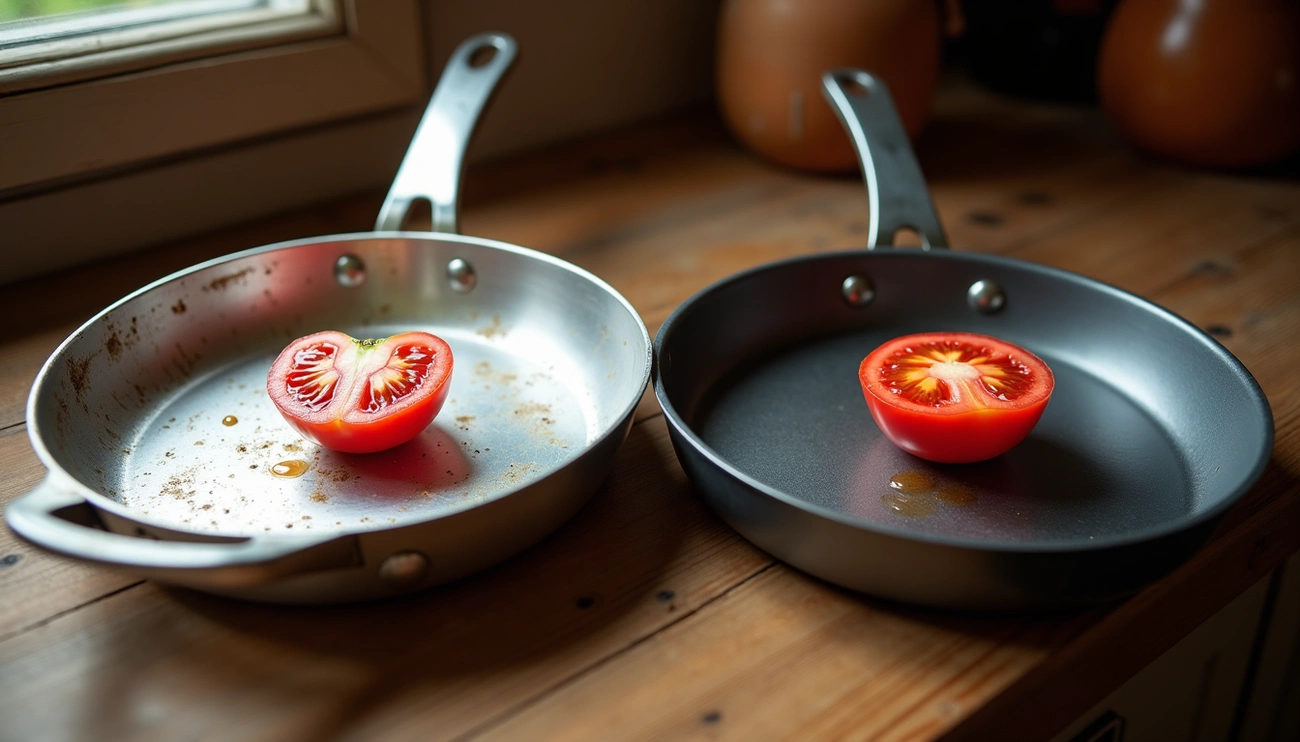
Avoid storing highly acidic foods like tomato sauce or rhubarb in aluminum cookware for extended periods. While the anodized surface resists reactions during cooking, prolonged storage may affect the protective layer.
What to Know Before Buying Futura Cookware
Making an informed purchase decision requires evaluating several factors beyond basic safety claims. I’ve researched the key considerations that impact both the initial investment and long-term value.
Health and Safety Certifications
Futura pressure cookers carry UL certification from Underwriters Laboratories Inc, an independent worldwide safety analysis and testing organization. Additionally, select models have received CE marking approval from Bureau Veritas S.A., meeting Harmonized Standards EN 12778:2002 and EN 12983-1:2000. The Bureau of Indian Standards certification allows use of the ISI Mark, providing third-party quality and safety guarantees.
Maintenance Requirements for Long-Term Safety
Hand washing is mandatory for maintaining the anodized surface integrity. Dishwashers cause the hard anodised surface to deteriorate. Wash all parts in hot water with mild soap using a dishcloth or sponge, then rinse and wipe dry.
Induction Compatibility Options
Standard Futura hard anodized cookware lacks induction compatibility. Models featuring a permanently attached AISI 430 grade magnetic stainless steel plate on the base work on induction cooktops.
Price vs Safety Value
Longer warranties typically indicate superior quality construction. Considering longevity reduces long-term costs compared to frequently replacing cheaper alternatives.
Warranty and Quality Assurance
Futura Hard Anodised cookware includes a written five-year guarantee from the date of first purchase.
Conclusion
Futura hard anodized cookware is essentially safe for everyday cooking when you follow proper usage guidelines. The anodization process creates a stable, non-reactive surface that prevents aluminum leaching, chiefly when maintained correctly. Hand wash your cookware, avoid excessive heat, and use appropriate utensils to maximize its lifespan. The five-year warranty reflects the brand’s confidence in durability. As long as you respect temperature limits and care instructions, you’re making a sound investment in safe, efficient cookware.