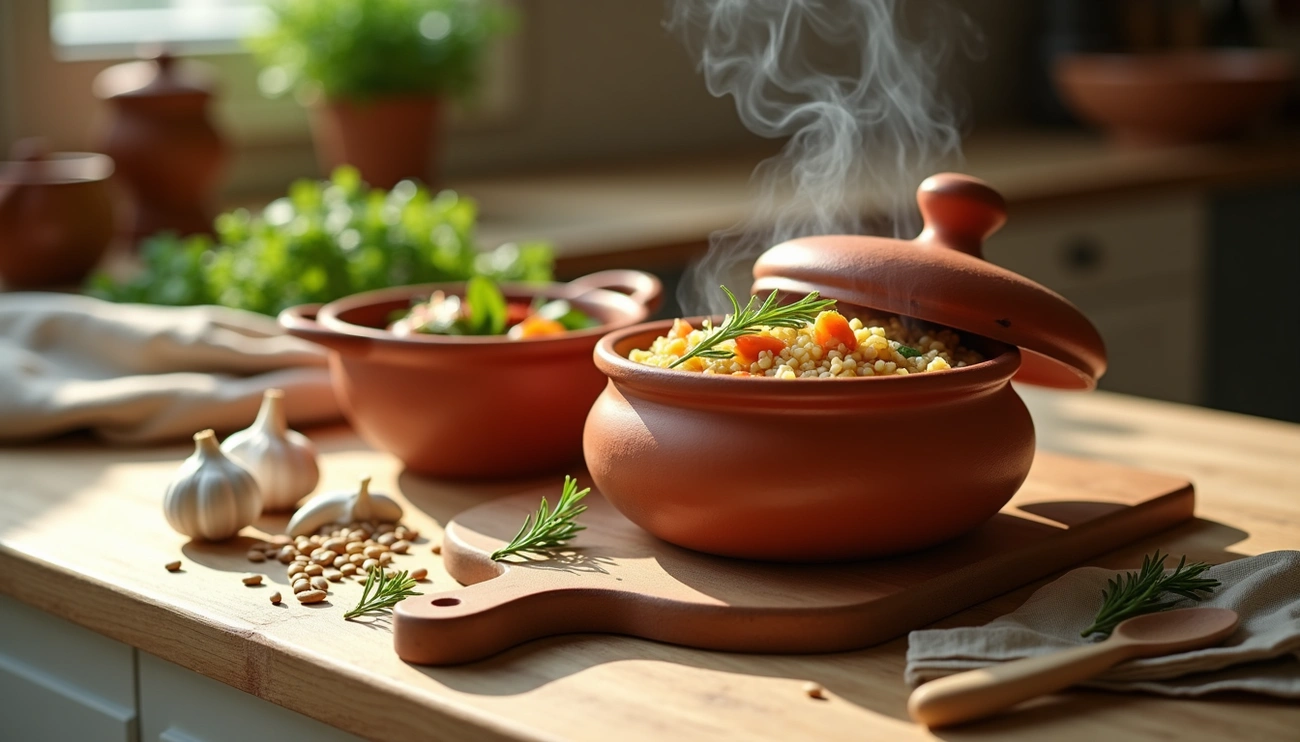
Terracotta is food safe when it is labeled for culinary use and manufactured to food-grade standards. Unglazed terracotta is highly porous and can harbor bacteria. Improperly glazed terracotta can leach heavy metals such as lead. Use only certified food-safe terracotta cookware and avoid decorative or gardening-grade pieces for cooking.
Is Terracotta Safe for Cooking and Serving Food
Pure clay is naturally non-toxic and inert, which makes properly manufactured terracotta safe for cooking and serving food. The purest form, known as primary clay, contains no metal or chemical toxins that could leach into your meals. However, the safety of your terracotta cookware depends entirely on the clay quality and manufacturing process used.
The Short Answer: Yes, With Important Conditions
Terracotta is safe for cooking when made from primary clay without additives or glazes. The material remains stable during cooking because pure clay doesn’t react with food or release harmful substances when heated. This stands in contrast to metal cookware, which is innately reactive and can leach into food with heat acting as a catalyst.
The catch? Not all terracotta products meet these standards. Many manufacturers use secondary or tertiary clay that contains impurities, which reduces costs but compromises safety. These lower-grade clays may harbor heavy metals like lead, arsenic, and iron oxides that can contaminate your food.
Common Safety Risks You Need to Know
Lead contamination poses the biggest threat with terracotta cookware. The FDA has received reports of traditional pottery from Mexico labeled as “lead free” that actually contains extractable lead levels comparable to lead-glazed pottery, sometimes exceeding FDA action levels. Lead poisoning in children has been linked to learning disabilities, developmental delays, and lower IQ scores.
Three adult New Yorkers became lead poisoned after using contaminated ceramic ware for preparing and serving foods, with blood lead levels ranging from 11 to 33 micrograms per deciliter. The Health Department found ceramic ware with lead concentrations up to 520,000 parts per million.
Bacterial growth presents another concern. The porous nature of unglazed terracotta can harbor mold and bacteria if not cleaned properly, creating a breeding ground for microorganisms that contaminate food.
Why Garden Pots Should Never Touch Food
Clay pots from the gardening center are not meant for direct food contact. The clay in garden pots may contain heavy metals such as lead from farming and industrial waste contamination. Some may crack or break when heated in the oven. These decorative items lack food-safety certification and pose serious health risks when used for cooking or serving.
Benefits and Drawbacks of Terracotta Cookware
Food-safe terracotta offers distinct cooking advantages, yet comes with practical limitations you should understand before investing in clay cookware.
5 Advantages of Cooking with Clay Pots
- Minimal Oil Requirements: The non-sticky property of earthenware reduces oil usage substantially while cooking. Clay pots circulate steam throughout the cooking process, providing enough moisture to soften food without excess fat.
- Natural pH Balance: Clay’s alkaline nature neutralizes the pH balance of food by interacting with acidity, acting as a natural detox. This makes terracotta particularly suitable for cooking acidic foods like tomatoes and citrus-based dishes.
- Superior Nutrient Preservation: Clay retains 95-97% of nutrients in food cooked within it. The porous nature allows heat to circulate uniformly while locking in vitamins and minerals that metal cookware destroys.
- Enhanced Flavor Profile: Moisture content remains intact during cooking, making food juicier, tender, and fresher. The slow, even heat distribution intensifies flavors, creating richer and more complex dishes.
- Environmental Sustainability: Terracotta is completely biodegradable and made from natural materials without synthetic additives. When properly cared for, these pots last for years, reducing kitchen waste.
5 Disadvantages and Limitations to Consider
- Extreme Fragility: Terracotta breaks easily if dropped or mishandled, requiring careful storage and use.
- Temperature Shock Vulnerability: Clay cracks when exposed to sudden temperature changes. You must raise heat gradually and avoid placing hot pots directly into refrigerators.
- Detergent-Free Cleaning Only: The porous surface absorbs detergent, which leaches into your next meal. Cleaning requires hot water and a stiff brush or baking soda for stubborn residue.
- Flavor Absorption Issues: Unglazed pots retain aromas and flavors from previous meals, potentially affecting subsequent dishes.
- Mold Growth Potential: Poor storage in damp, unventilated areas promotes fungus and mold development. Proper drying before storage is non-negotiable.
Heat Retention Properties and Burn Risks
Clay absorbs massive amounts of heat and stays burning hot for extended periods after removal from the oven. This property keeps food warm longer but creates serious burn risks, especially around children. Always use thick oven mitts and wait for complete cooling before handling terracotta cookware.
Selecting Food Safe Clay and Terracotta Products
Choosing food safe terracotta pots requires understanding specific quality markers and certification standards that separate kitchen-safe cookware from decorative pottery.
What Makes Terracotta Food-Grade
Food-safe designation from the FDA has two components: the fired glaze finishing and the heavy metals that might leach into food if the glaze coating breaks. Surfaces contacting food must be fired to full maturity so clay particles vitrify enough to form a waterproof surface, or be covered by smooth, glassy glaze without cracks or rough spots. Low-fire clay remains porous even when fired, so any surface touching food must be covered with a food-safe glaze that has been correctly fired. Being unglazed doesn’t guarantee lack of toxins because there may be impurities in the clay itself if it’s low quality secondary or tertiary clay, as natural clay is non-toxic only in its purest form, which is primary clay.
Avoiding Mass-Produced Low-Quality Options
Pottery made in the United States ensures FDA regulatory compliance. For added confidence, ceramics compliant with California Proposition 65 provide even stricter safety standards. Be wary of imported ceramics, especially from South America or Asia with particularly colorful and bright designs, since lead-based materials no longer allowed in the U.S. might still be used in countries where regulations are less progressive. Plain white dishes rarely test positive for lead, making them a very low risk option.
Testing Your Existing Pottery for Lead
Home lead test kits sold in hardware stores provide basic screening but aren’t precise. Fewer than 10% of dishes leaching greater than 3.0 micrograms of lead per milliliter yielded false negatives with lead kits. Professional laboratory testing using X-Ray Fluorescence provides precise levels of lead and cadmium for conclusive results.
Glazed vs Unglazed: Which is Safer
Unglazed clay pots are not treated with chemicals, so they don’t leach potentially harmful substances into food. In contrast, ceramic glazes containing lead may leach into food and drinks, particularly acidic ones such as tomato sauce, vinegar, or citrus beverages. Consequently, unglazed primary clay pots remain the safest choice for cooking.
Essential Care Guide for Terracotta Food Safety
Maintaining terracotta cookware properly ensures both food safety and longevity of your investment.
Initial Soaking and Seasoning Process
Before first use, soak your new terracotta pot and lid in water overnight. This loosens residual clay dust and hydrates the porous material. After the initial soak, continue soaking unglazed pots for 10 to 15 minutes before each use. Seasoning strengthens the pot and prevents cracking. Coat the interior and exterior with a thin layer of olive oil or vegetable oil, then gradually heat to 300°F for 2-3 hours.
Daily Cleaning Methods Without Detergent
Never use soap or detergent on terracotta. The porous clay absorbs these substances, which then leach into your next meal. Wait for your pot to cool completely, then clean it with hot water and a stiff brush. Add baking soda to break down grease. Never put clay pots in the dishwasher.
Removing Odors and Preventing Flavor Transfer
For moldy or spoiled smells, make a solution of 3 tablespoons baking soda per 1 quart of water. Soak the pot overnight and rinse thoroughly in the morning. If lingering food smells persist, fill the pot with water, add green tea, and simmer for 10 minutes. Distilled white vinegar works for cleaning, but wipe and rinse immediately to prevent the clay from absorbing the acidic bite.
Dealing with Mold and Bacteria Concerns
Mold occurs when pots aren’t cleaned and dried properly before storage. Store the lid and pot separately to allow adequate air circulation. Dry your pot on the stovetop at low heat for 5-10 minutes until the rim feels warm to the touch. Sunning provides another effective method: place your pots outdoors on a warm, sunny day for an entire afternoon.
Safe Heating and Cooling Practices
Start with low heat and slowly increase temperature over 5-10 minutes. This gradual heating allows the clay to expand evenly and prevents thermal shock that causes cracking. Never place an empty pot on high flame. Avoid sudden temperature changes, such as taking a cold pot from the refrigerator and placing it directly on the stovetop or in an extremely hot oven.
Long-Term Maintenance and Crack Prevention
Re-season your clay pot every few months or whenever food begins to stick. Store in a dry, cool place with adequate air circulation. If small cracks form, season your pot again to preserve it and prevent the cracks from worsening. Moisture trapped in clay pores expands when frozen, causing cracks. Store pots indoors during winter in regions with freeze-thaw cycles.
Conclusion
Terracotta cookware offers exceptional cooking benefits when you choose the right products. Above all, prioritize food-grade certification and primary clay construction to avoid lead contamination and other health risks. Garden pots have no place in your kitchen, but properly manufactured terracotta can safely enhance your cooking for years.
If you follow the care guidelines I’ve outlined here, your terracotta pots will remain safe, functional, and ready to deliver healthier, more flavorful meals. The investment in quality cookware and proper maintenance pays off with every dish you prepare.