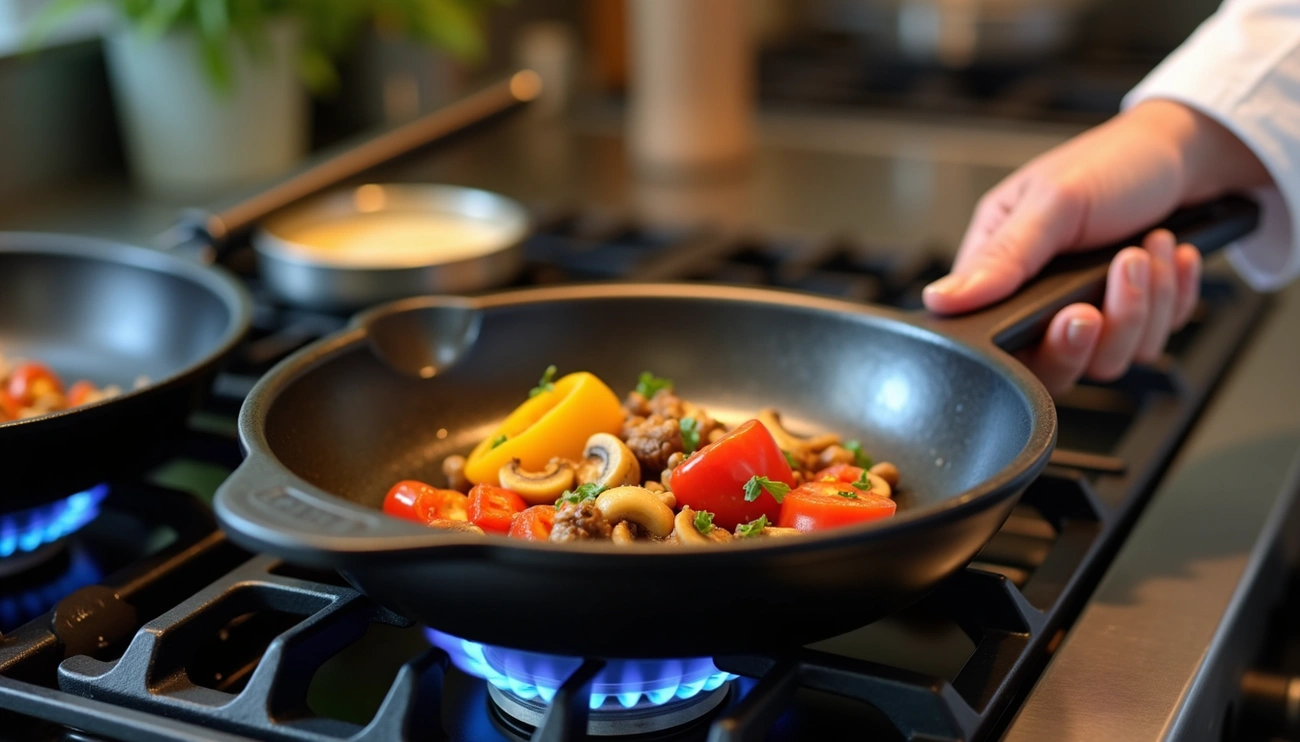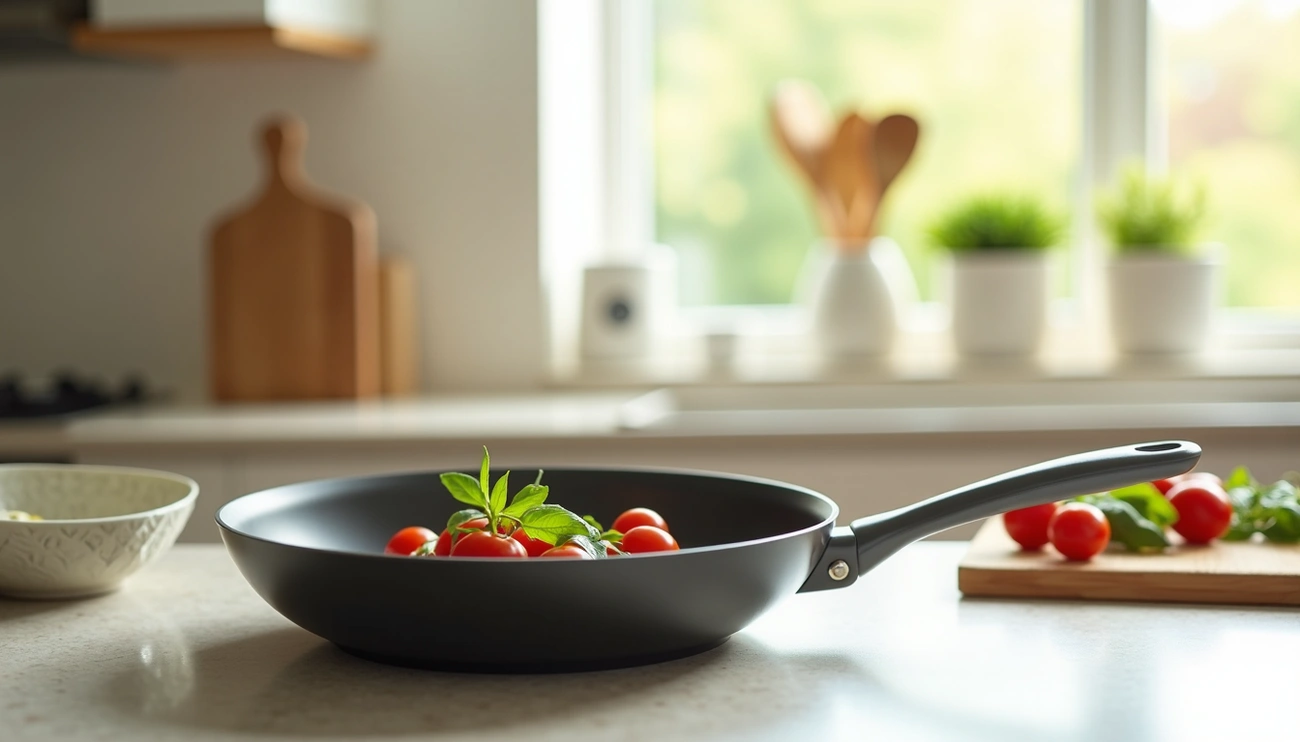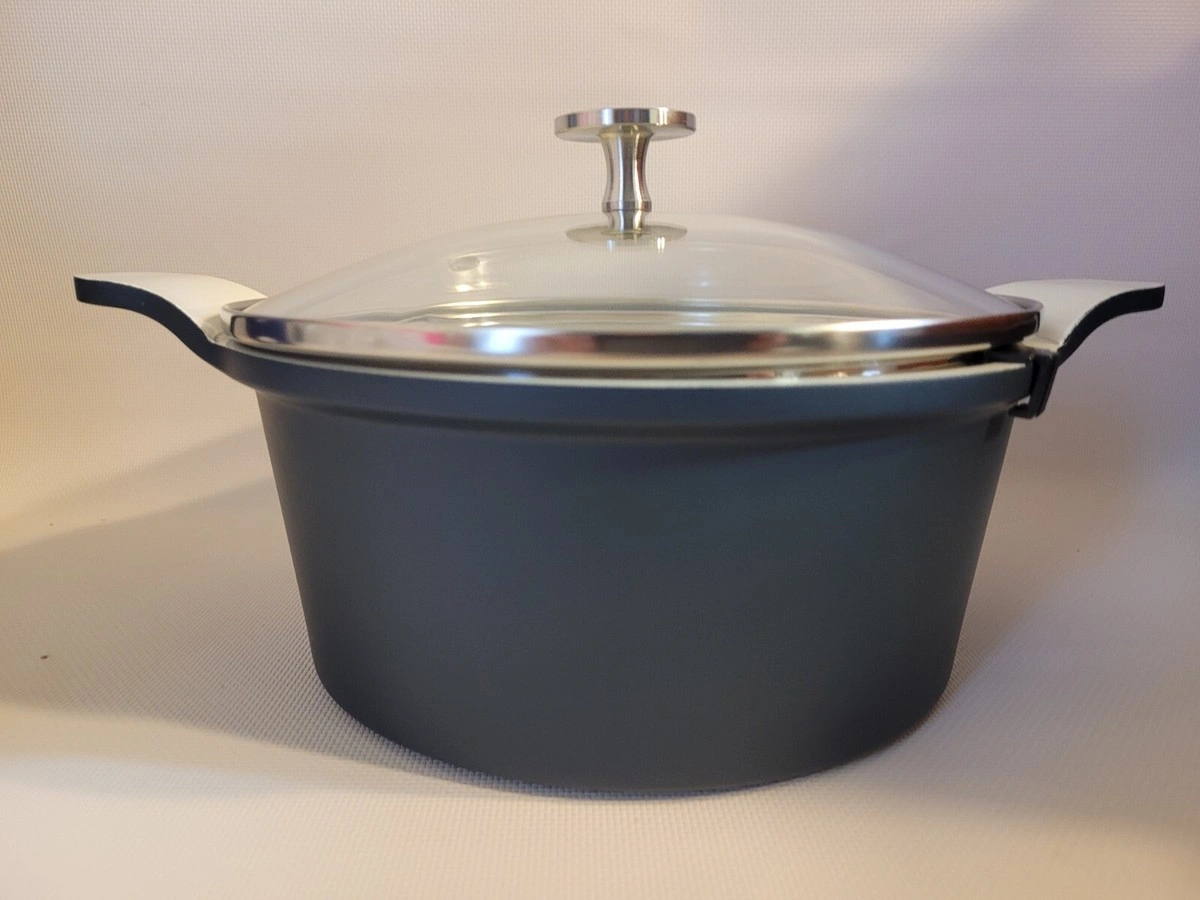
Many Phantom Chef pans are oven safe, but temperature limits vary by collection. Most ceramic nonstick pans, including the Grove Collection, are oven safe up to 350°F (175°C). Some lines have lower limits, and select items, such as certain Midnight Collection pans, are not oven safe. Always confirm the specific product guidelines.
Are Phantom Chef Pans Oven Safe?
The three Phantom Chef collections have different oven capabilities based on their construction materials and handle design. Understanding these differences helps you choose the right pan for your cooking needs.
Grove Collection oven safety
The Grove Collection handles moderate oven temperatures safely. These pans are safe for use in the oven up to 250 degrees Fahrenheit. This temperature range works well for finishing dishes, keeping food warm, or slow-roasting at lower temperatures. The 250-degree limit relates to the handle construction and coating materials used in this collection.
For instance, you can start a frittata on the stovetop and finish it in the oven, or use these pans for baking cornbread at standard temperatures. Most casseroles and baked pasta dishes also fall within this safe range. However, recipes requiring higher temperatures, such as roasted vegetables at 400 degrees or broiling, exceed the Grove Collection’s capabilities.
The aluminum construction with ceramic coating performs well at these moderate temperatures. Exceeding the 250-degree threshold risks damaging the non-stick surface and potentially warping the pan’s structure.
Stainless Collection oven safety
The Stainless Collection offers significantly higher heat tolerance. These pans are safe to use in the oven up to 500 degrees Fahrenheit. This expanded temperature range opens up more cooking possibilities, from searing steaks to high-heat roasting.
At 500 degrees, you can use these pans for nearly any recipe requiring oven finishing. Searing a pork chop on the stovetop and transferring it to a hot oven becomes straightforward. Roasting chicken thighs, caramelizing vegetables, or even attempting pizza in a home oven all stay within the safe temperature parameters.
The stainless steel construction and heat-resistant handles allow this collection to withstand these higher temperatures without degradation. This makes the Stainless Collection the most versatile option for cooks who frequently move between stovetop and oven cooking.
Midnight Collection oven safety
The Midnight Collection is not safe for oven use. This collection is designed exclusively for stovetop cooking. The handles or coating materials cannot withstand oven temperatures, regardless of how low you set them.
Accordingly, if you need oven-safe cookware, the Midnight Collection won’t meet those requirements. This doesn’t diminish the collection’s stovetop performance, but it does limit versatility. You’ll need to transfer food to a separate oven-safe dish if a recipe calls for oven finishing.
When choosing between collections, consider how often you use the oven in your cooking. If you frequently prepare recipes requiring stovetop-to-oven transitions, the Grove or Stainless collections serve you better. The Midnight Collection works for cooks who primarily use stovetop methods.
These temperature specifications come directly from Phantom Chef’s official guidance. Some third-party sources list different temperature limits, but the manufacturer’s specifications remain the most reliable reference for safe use.
Maximum Temperature Limits for Each Phantom Chef Collection
Understanding the specific temperature thresholds for each collection helps you cook safely and protect your investment in Phantom Chef cookware.
Temperature guide for Grove pans
Operating within the 250-degree Fahrenheit limit requires some planning. Most conventional oven recipes call for temperatures between 325 and 375 degrees, which exceeds the Grove Collection’s capacity. Consequently, you’ll need to adjust your cooking approach for recipes requiring oven finishing.
Recipes that work well within this limit include slow-cooked dishes, warming prepared food, or baking items at reduced temperatures. Cornbread typically bakes at 400 degrees, but reducing the temperature to 250 degrees and extending the baking time keeps you within safe parameters. Casseroles can similarly be adapted by lowering heat and increasing cooking duration.
Braising represents an ideal use case. Starting proteins on the stovetop and finishing them in a 250-degree oven allows for gentle, even cooking. The lower temperature prevents moisture loss and produces tender results without stressing the pan’s coating or handles.
Temperature guide for Stainless pans
The 500-degree Fahrenheit limit aligns with industry standards for nonstick cookware safety. This temperature threshold represents the point where nonstick coatings begin to degrade. Most cooking methods, including boiling, steaming, and frying, stay well below this limit.
Broiling typically requires temperatures above 500 degrees, placing it outside the safe range for these pans. Roasting vegetables at 425 degrees, searing steaks, or baking pizza at 475 degrees all remain within acceptable limits. The Stainless Collection handles these high-heat applications without issue, provided that you respect the 500-degree ceiling.
Empty pans present a specific risk. An empty nonstick pan can reach 500 degrees in just two to five minutes. Preheating dry nonstick pans allows them to overheat quickly and damage the coating. Always add oil or food before heating, and never walk away from a preheating pan.
What happens if you exceed the temperature limit
Nonstick coatings start breaking down when heated above 500 degrees Fahrenheit. PTFE, the polymer used in many nonstick surfaces, releases toxic fumes at these elevated temperatures. These fumes cause polymer fume fever, sometimes called Teflon flu.
Symptoms include chills, headaches, fevers, chest tightness, and coughing. The condition mimics influenza but stems from inhaling decomposed coating particles. While polymer fume fever typically resolves on its own, the fumes are known to kill pet birds. Small case studies have reported more serious effects, including lung damage.
At temperatures exceeding 600 degrees Fahrenheit, nonstick coatings show significant decomposition. Strong fumes released at 660 degrees and higher can make you feel sick. The coating begins breaking down to release harmful gasses that can be lethal in extreme cases.
Heating a nonstick pan while empty increases the chance of overheating and releasing toxic fumes. Without food to absorb heat energy, the pan’s temperature climbs rapidly. Most cooking oils begin smoking around 400 degrees, serving as a natural warning that you’re approaching unsafe temperatures for the pan itself.
Discoloration, warping, flaking, or increased food sticking indicate heat damage to your cookware. Once the coating deteriorates, the pan loses its nonstick properties and may pose health risks during continued use.
Are Phantom Chef Pans Dishwasher Safe and Easy to Clean?
Phantom Chef markets all their cookware as dishwasher safe, giving you the flexibility to choose your preferred cleaning method. Their aluminum construction with ceramic coating can technically withstand dishwasher cycles without immediate damage. However, the company recommends hand washing with soap and a gentle sponge to extend your pan’s lifespan.
Dishwasher safety features
The ceramic coating on Phantom Chef pans maintains structural integrity through dishwasher cycles[92]. Unlike some cookware that warps or discolors immediately, these pans handle the water pressure and temperature fluctuations without falling apart. The aluminum body remains stable, and the stay-cool handles don’t loosen after a few washes.
This doesn’t mean dishwasher cleaning comes without consequences. The harsh detergents and high heat gradually wear down the ceramic coating over time. You won’t notice degradation immediately, but food eventually starts sticking and the pan becomes harder to clean. The coating may also begin flaking once compromised, affecting both food safety and cooking performance.
Hand washing vs dishwasher cleaning
Hand washing with warm water and mild dish soap preserves the non-stick properties significantly longer[101]. A soft sponge or soft-bristled brush removes food residue without scratching the ceramic surface. This gentle approach minimizes exposure to the abrasive chemicals found in dishwasher detergents.
The combination of extreme heat and strong detergents in dishwashers breaks down non-stick coatings faster than gentle hand washing. High temperatures can also weaken the ceramic surface, while strong water jets cause gradual wear. Consequently, hand-washed pans retain their non-stick capabilities for many more uses compared to dishwasher-cleaned ones.
For stubborn residue, soak your pan in warm soapy water for 15-20 minutes before cleaning. This softens adhered food particles without aggressive scrubbing. A plastic or silicone spatula gently scrapes off stuck food without damaging the coating. You can also boil soapy water briefly in the pan to loosen tough spots.
Best practices for maintaining your pans
Clean your pans after every use once they’ve cooled completely. Removing food residue shortly after cooking helps maintain the non-stick properties. Never submerge a hot pan in cold water, as thermal shock can warp the aluminum and damage the ceramic surface.
Avoid steel wool or abrasive cleaners entirely. These scratch the non-stick surface and accelerate coating degradation. Metal utensils also damage the ceramic, so stick with silicone, wood, or plastic cooking tools.
Storage matters more than most people realize. Hanging storage prevents scratches while pans sit unused. If you stack pans in a cabinet, place a pan protector, trivet, or kitchen towel between each piece. Never store food in your Phantom Chef pans, as this quickly degrades the coating.
Are Phantom Chef Pans Safe to Use?
Health-conscious cooks need cookware free from harmful chemicals. Phantom Chef addresses these concerns through specific material choices and manufacturing processes.
PFOA and PTFE-free certification
Phantom Chef ensures all their products are PFOA and PTFE free. PFOA (perfluorooctanoic acid) is a chemical formerly used in manufacturing non-stick coatings, linked to various health concerns. PTFE (polytetrafluoroethylene), commonly known as Teflon, releases toxic fumes when overheated.
The absence of these compounds means you won’t inhale harmful gasses during normal cooking. Traditional PTFE coatings break down at high temperatures and release fumes that cause flu-like symptoms. By eliminating PTFE entirely, Phantom Chef removes this risk from your kitchen.
Beyond PFOA and PTFE, these pans contain no PFAS chemicals[171]. PFAS represents a family of thousands of synthetic compounds that persist in the environment and human body. These “forever chemicals” accumulate over time and resist breaking down naturally.
Non-toxic ceramic coating
The ceramic coating provides the non-stick surface without toxic materials[142][151][152][171]. Phantom Chef crafts their cookware from eco-friendly materials that don’t compromise food flavor or nutritional value[182]. The ceramic surface contains silicon dioxide and metal oxides rather than synthetic polymers.
This construction means your pans won’t leach chemicals into your food during cooking. The coating remains stable at appropriate cooking temperatures and doesn’t decompose into harmful substances. Consequently, you can cook acidic foods like tomato sauce without worrying about chemical reactions with the pan surface.
The aluminum body construction paired with the ceramic coating creates a lightweight yet durable cooking surface[171]. This combination conducts heat efficiently while maintaining the non-toxic properties throughout the pan’s structure. The stay-cool handles add another safety feature, preventing burns during stovetop cooking[171].
Stovetop compatibility
Phantom Chef pans work on gas, induction, electric, halogen, and ceramic stovetops[142][151][152][153][161][171][181][182]. This universal compatibility means you won’t need new cookware if you switch stovetop types or move to a different home.
Induction compatibility deserves special mention. Many ceramic-coated pans fail on induction burners because they lack magnetic properties. Phantom Chef’s aluminum construction includes features that allow induction heating, expanding your cooking options.
The versatility across all stovetop types makes these pans practical for any kitchen setup. Gas burners provide precise flame control, while induction offers rapid heating and energy efficiency. Electric and ceramic stovetops deliver consistent temperatures, and halogen units combine quick heating with visual feedback. Your Phantom Chef pans perform equally well across all these cooking surfaces.
Are Phantom Chef Pans Good? Key Features and Benefits
Quality cookware balances performance with affordability. Phantom Chef positions itself as a budget-friendly option without sacrificing functionality, but the real test comes from daily use.
Non-stick performance
The ceramic coating delivers reliable non-stick properties when you maintain the pans properly. Food releases easily with minimal oil, making cooking and cleanup straightforward. However, user experiences vary based on care habits.
One user reported using two Phantom Chef pans for over a year with the non-stick surface remaining “like new”. The key involves cooking only on low to medium heat and wiping the pan clean rather than aggressive scrubbing. By the same token, users who ran their pans through dishwashers or used metal utensils experienced faster coating degradation.
The ceramic surface requires gentler treatment than traditional cookware. High heat damages the coating, and metal utensils scratch it quickly. Consequently, these pans reward careful use but disappoint those expecting indestructible non-stick properties.
Durability and build quality
The aluminum body provides sturdy construction at this price point. Users describe the pans as “thicker metal” compared to budget competitors. This thickness contributes to even heat distribution and resistance to warping.
One reviewer who switched from Copper Chef noted the Phantom Chef pans felt more substantial and maintained their non-stick properties longer. The construction withstands regular everyday use without sacrificing comfort or style. Specifically, the pans resist scratching under normal cooking conditions when paired with appropriate utensils.
Color options and design
Phantom Chef offers extensive color variety to match different kitchen esthetics. Available shades include black, gray, red, green, navy, pink, baby blue, yellow, and beige. This selection lets you coordinate with existing kitchen decor or add personality through bold choices.
The stay-cool wooden handles add natural beauty to the cookware. This design element distinguishes Phantom Chef from purely utilitarian cookware while maintaining functionality. The handles remain cool during stovetop cooking, preventing burns.
Price and value comparison
The 5-piece set costs $99, making it accessible for budget-conscious cooks. For smaller households, the 2-piece frypan combo (8-inch and 11-inch) retails at $70. The 18-piece cookware set offers the best value at $199, reduced from $249.
These prices position Phantom Chef well below premium cookware brands while maintaining non-toxic construction. The $99 entry point removes financial barriers to switching from conventional non-stick pans.
Conclusion
All things considered, Phantom Chef pans offer solid value for budget-conscious cooks who prioritize non-toxic cookware. The Stainless Collection gives you the most versatility with 500-degree oven safety, while the Grove Collection works for moderate-heat recipes. Choose the Midnight Collection only if you cook exclusively on the stovetop. To be sure, these pans require proper care to maintain their non-stick properties. Hand wash them gently, avoid metal utensils, and never exceed the temperature limits. When you follow these guidelines, your Phantom Chef cookware will serve you well without exposing your family to harmful chemicals like PFOA or PTFE.