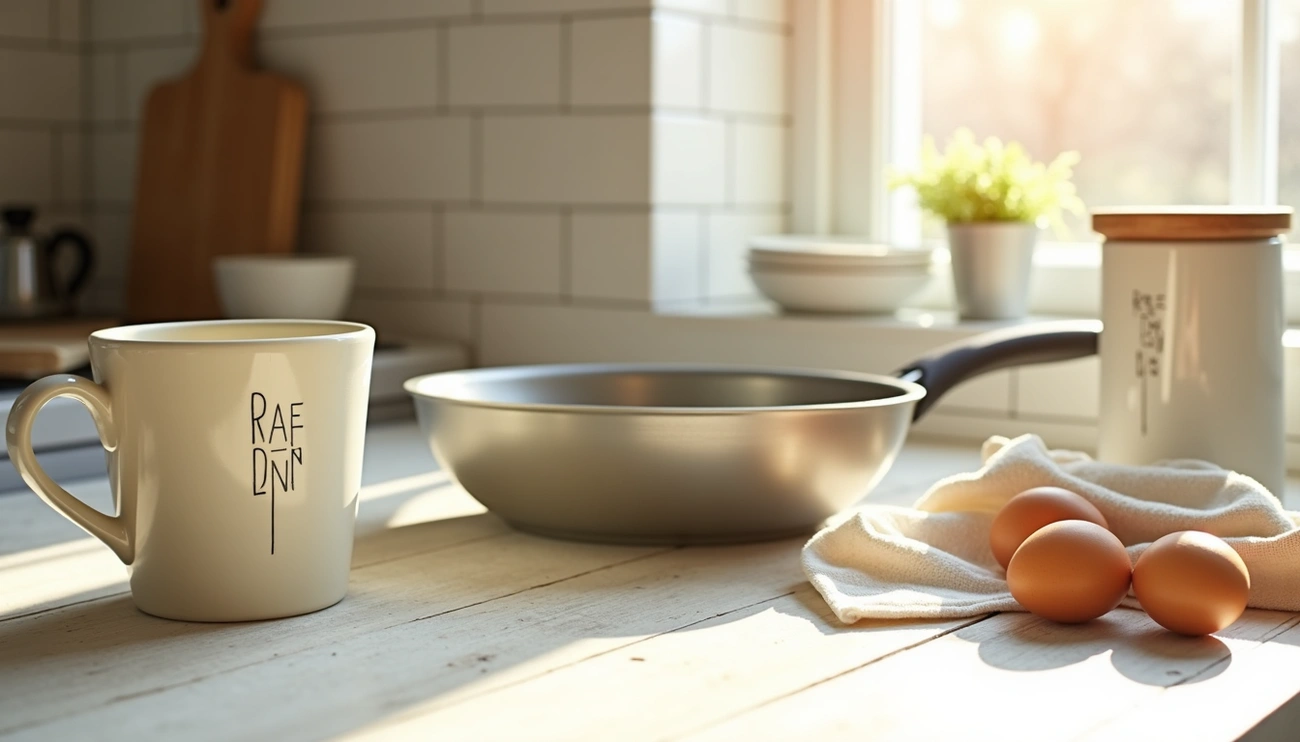
Rae Dunn cookware is generally safe because it meets FDA food safety standards and is labeled dishwasher and microwave safe. However, independent tests have detected lead in some pieces. Replace cracked or chipped items immediately, and avoid using damaged stoneware for acidic foods to reduce potential lead exposure risk.
What is Rae Dunn Cookware Made Of?
Rae Dunn’s product line spans multiple material categories, each designed for specific purposes in your kitchen. Understanding the construction helps answer whether is Rae Dunn cookware safe and determines how you should use each piece.
Cast Aluminum Construction
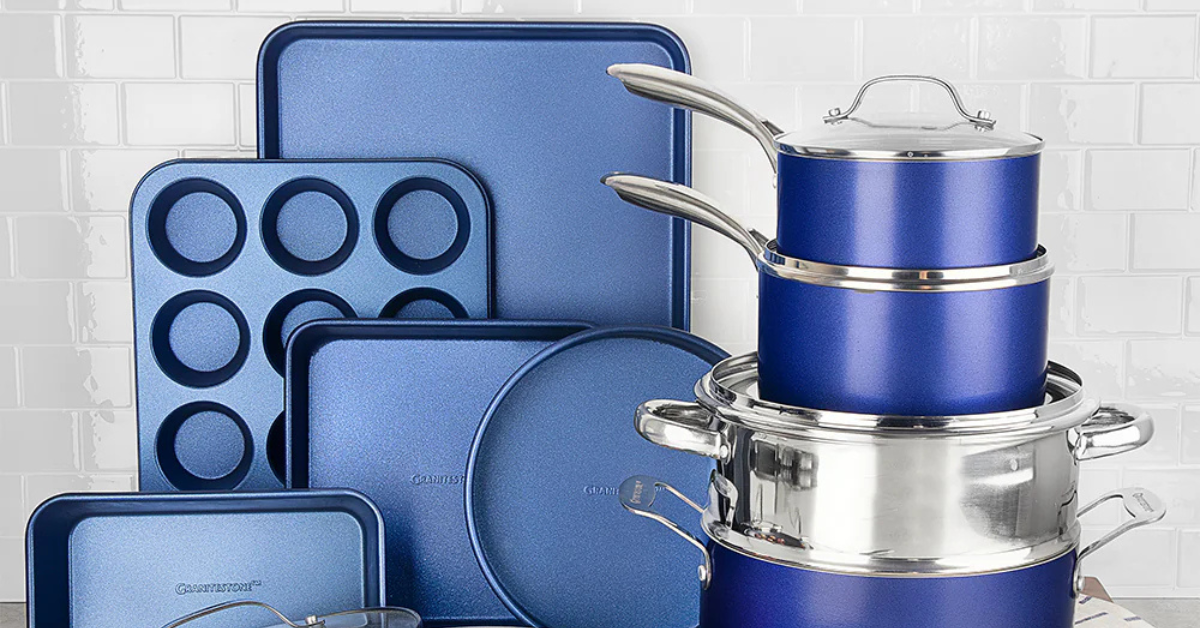
The pots and pans feature heavy gage cast aluminum bodies. This material choice provides excellent heat conductivity, allowing your food to cook evenly across the cooking surface. Cast aluminum construction makes the cookware lightweight yet durable enough for daily use. The aluminum base distributes heat quickly, which reduces cooking time and prevents hot spots that can burn food.
Ceramic and Stoneware Pieces
Rae Dunn cookware incorporates high-quality ceramic materials. The stoneware pieces are known for their strength and heat retention. These ceramic components resist chipping and cracking with proper care. Stoneware maintains temperature well, keeping your food warm longer after you remove it from the heat source. The sturdy construction supports even heat distribution throughout the cooking process.
Non-Stick Coating Composition
The cookware features a non-stick coating that allows for easy food release and cleaning. Safety remains central to the design, as the coating is free from harmful chemicals like PFOA and PTFE. This means you can cook without worrying about toxic fumes or chemical leaching into your meals. The non-stick surface requires less oil or butter, making it a healthier cooking option.
Handle and Lid Materials
Sturdy handles are designed to prevent slips and burns during use. The construction prioritizes user safety with heat-resistant materials that stay cool to the touch. Handle attachment points are reinforced to withstand the weight of full pots and pans. Similarly, lid materials complement the cookware bodies, maintaining consistent quality across the entire set. The thoughtful design extends to every component, answering questions about is Rae Dunn cookware good quality through its practical construction choices.
Is Rae Dunn Cookware Safe for Different Cooking Methods?
Knowing how your cookware performs across various cooking methods helps you use it safely and effectively. Rae Dunn pieces work differently depending on their material composition and intended purpose.
Are Rae Dunn Mugs Microwave Safe
Rae Dunn mugs are microwave safe. The ceramic construction withstands microwave heating without cracking or releasing harmful substances. Rae Dunn herself confirmed this, stating “Microwave away!”. You can heat beverages and food in these mugs without concern. The high-quality ceramic material tolerates repeated microwave cycles.
Is Rae Dunn Cookware Oven Safe
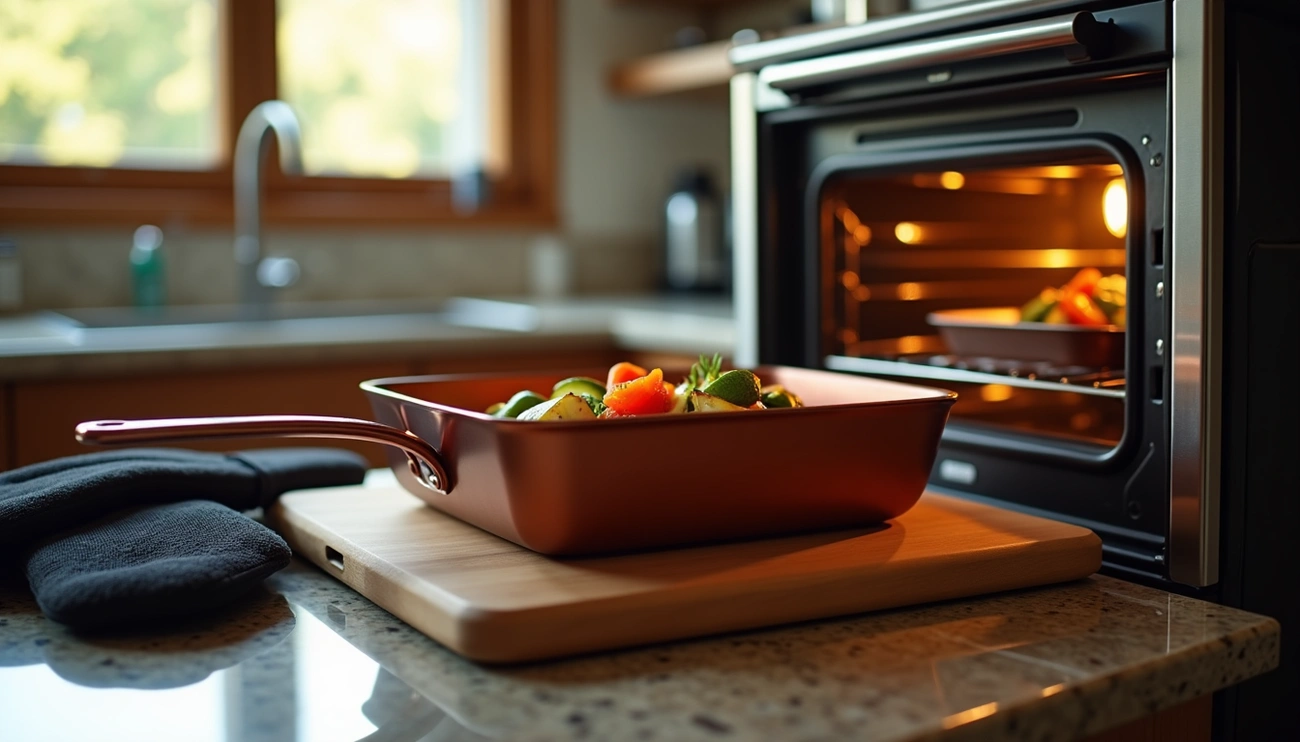
The cookware line is oven safe up to 400F/205C. This temperature range accommodates most baking and roasting needs. Whether you’re wondering are Rae Dunn pots oven safe, the answer remains yes within this temperature threshold. Exceeding 400F risks damaging the non-stick coating or causing warping. Always verify the specific temperature limit for your piece before placing it in a preheated oven.
Dishwasher Safety Considerations
While Rae Dunn pottery is technically dishwasher safe, the dishwasher can cause significant clanking, and cracks might occur if dishes contact one another. Hand washing provides safer care for your pieces. The mechanical action and high heat of dishwashers accelerate wear on decorative glazes. Rae Dunn herself encourages hand washing items to prevent cracking.
Stovetop Compatibility and Safety
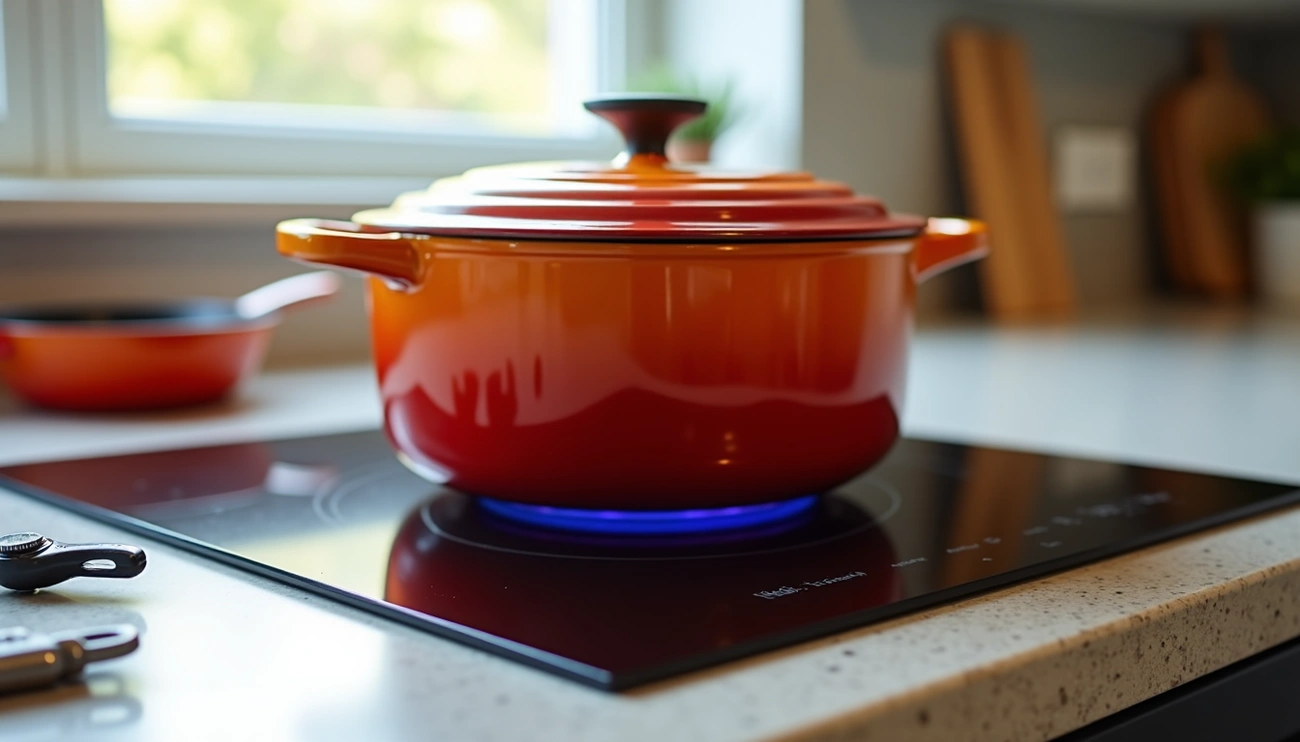
Cast aluminum cookware pieces work on gas and electric stovetops. The ceramic and stoneware items are not designed for direct stovetop use. Place only pots and pans with metal construction on burners. Ceramic mugs and bakeware will crack under direct flame or heating element contact.
Safe Temperature Ranges
The maximum safe oven temperature stands at 400F/205C. Microwave use has no specific temperature restriction since the ceramic heats gradually. Stovetop temperatures vary, but the cast aluminum construction handles standard cooking heat. Avoid thermal shock by not moving pieces directly from freezer to oven or hot stove to cold water.
Lead and Toxin Testing in Rae Dunn Products
Testing reveals varying lead levels across Rae Dunn’s ceramic line, raising valid safety questions. Understanding these results helps you decide which pieces belong in your kitchen.
Understanding Lead Content in Pottery
Lead glazes create bright colors and smooth finishes in ceramic dishware. The regulatory standard for children’s items sets the unsafe threshold at 90 ppm or higher. Adult dishware faces no such strict total lead content regulations, only leach-testing requirements at manufacture. This gap creates confusion about what constitutes safe cookware.
XRF Testing Results for Rae Dunn
Independent XRF testing shows significant variation between pieces. The “Calm” mug tested at 100 +/- 20 ppm lead, falling within the safe range. Similarly, a “Dreamer” bowl measured 47 +/- 24 ppm lead, and a “Be Well” bowl registered 56 +/- 24 ppm. In contrast, one “Coffee” mug showed 85 +/- 35 ppm on white surfaces but 319 +/- 74 ppm on the black glazed inside. A snack dish reached 647 +/- 37 ppm, while a Disney Pixar Toy Story Alien dish tested at 814 ppm and 778 ppm in separate scans. White Rae Dunn surfaces consistently test in the low-lead range, whereas brightly colored decals typically measure 600 to 1000 ppm.
PFOA, Cadmium, and Arsenic Concerns
The cast aluminum cookware line remains free from PFOA, lead, and cadmium. Testing on ceramic pieces found non-detect levels for cadmium, arsenic, and mercury in multiple items. One Disney dish contained 350 ppm and 355 ppm arsenic, though this represents an outlier.
FDA Compliance and Safety Standards
Magenta ensures all products meet California Prop 65 standards, which allow 0.5 micrograms of lead per day compared to the FDA’s 75 micrograms. Notwithstanding compliance, pieces passing leach-testing at manufacture may deteriorate with regular use, especially when exposed to acidic beverages like coffee.
How to Use and Care for Rae Dunn Cookware Safely
Proper care extends the life of your Rae Dunn pieces while maintaining their safety for food contact. Following these guidelines protects both your investment and your health.
Hand Washing vs Dishwasher
Rae Dunn confirmed her pottery is dishwasher safe, but recommends hand washing to prevent damage. Space items carefully in the dishwasher so they don’t touch each other, as clanking causes cracks. Hand washing eliminates this risk entirely. She compared it to washing favorite clothing items by hand.
Avoiding Cracks and Damage
Cracks form when pieces contact each other during washing or from uneven drying. If you notice a crack, display the item rather than using it for food. Cracking happens when water evaporates unevenly, causing more shrinkage in certain areas. Some cracks appear as crazing under the clear coating and present no structural issue.
When to Display vs Use Your Pieces
Rae Dunn herself encourages using her work rather than storing it away. Hand washing keeps pieces safe for regular use. Choose functional pieces for daily meals and reserve items with cracks or high lead content for display only.
Safe Storage Practices
Store cookware with protective padding between stacked pieces to prevent scratches on coatings. Hanging racks keep items separated and easily accessible. For cabinet storage, use dividers to prevent handles from hitting each other. Avoid carelessly stacking without protection, which damages finishes and coatings.
Conclusion
Rae Dunn cookware safety depends on the specific piece you’re using. The cast aluminum line offers reliable, toxin-free cooking, while ceramic items show varying lead levels depending on glaze colors. White pieces generally test safer than brightly decorated ones. I recommend using tested pieces for daily cooking and reserving high-lead items for display only. Essentially, informed choices and proper care practices let you enjoy these products while prioritizing your family’s health and safety.