Parini cookware is primarily made in China. The brand manufactures cast iron cookware, non-stick pots, and pans in multiple Chinese provinces. Major production hubs operate in Zhejiang and Hebei. Parini focuses on affordable kitchenware, and all core manufacturing occurs within China.
What Is Parini Cookware and Who Makes It
The Parini Brand Overview
Parini Cookware operates as a registered trademark owned by Shye West, an Irvine-based entity located in California. The trademark was filed on July 19, 2011, and officially registered on May 28, 2013, with the company beginning commercial use of the mark on April 17, 2012. The brand positions itself with over 20 years of experience in crafting cookware, though the trademark registration timeline suggests more recent formal business operations.
The brand’s core values center on quality, affordability, and innovation. Parini aims to make cooking accessible to all home cooks, focusing on providing high-quality products at budget-friendly prices while maintaining a commitment to sustainability through eco-friendly materials and manufacturing practices. In truth, this affordability strategy has made Parini products popular as promotional items at casinos, where customers have reported receiving Dutch ovens, slow cookers, salad spinners, and various kitchen accessories as complimentary gifts.
Product Range and Categories
Parini offers a diverse lineup of kitchen essentials spanning multiple product categories. The range includes pots, pans, Dutch ovens, bakeware, small appliances like coffee makers and blenders, and specialty items designed to simplify cooking tasks. What’s more, the brand has expanded beyond basic cookware to include kitchen accessories such as revolving spice racks, drink shakers, bowls, and plates.
The brand organizes its offerings into four specialized collections, each tailored to specific cooking needs:
- Signature Collection: A versatile range designed for everyday use with balanced weight and even heat distribution, suitable for both novice and experienced cooks
- Hard-Anodized Collection: Engineered for durability and resistance to warping, perfect for high-heat cooking and frequent use with excellent heat retention
- Non-Stick Collection: Coated with advanced non-stick surfaces, ideal for low-fat cooking and delicate foods like eggs or fish, offering effortless cleanup
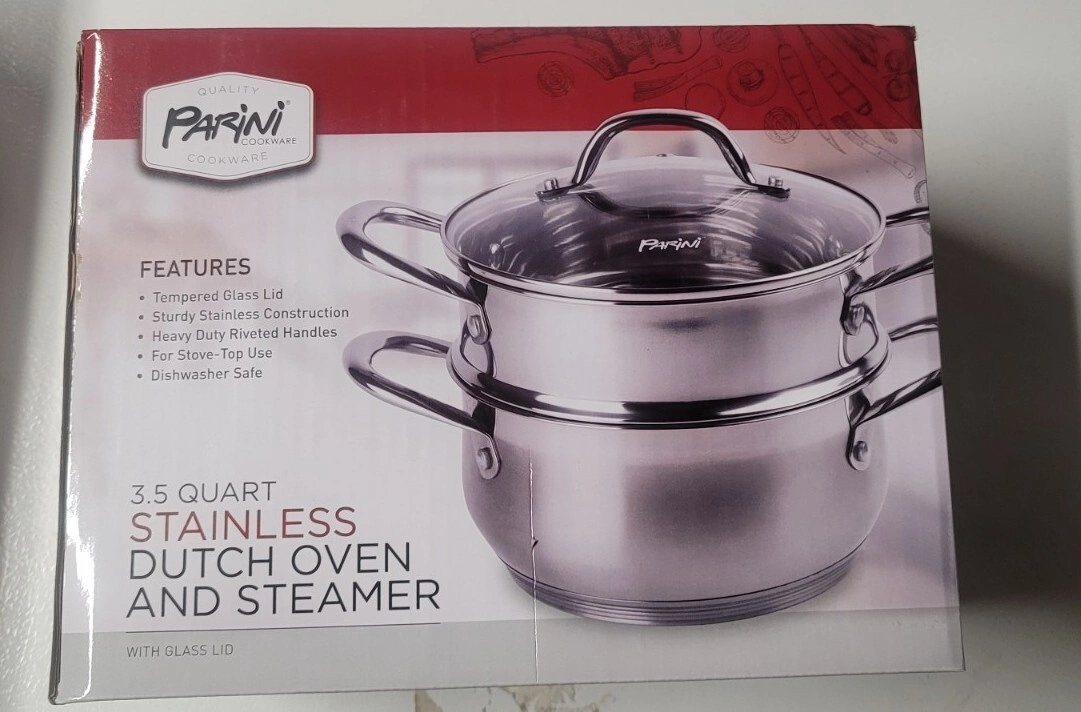
- Stainless Steel Collection: Built for professional-level performance, corrosion-resistant, oven-safe at high temperatures, and compatible with all cooktops
Each piece is designed to ensure even heat distribution, making meal preparation straightforward for home cooks. The non-stick surfaces and practical designs have earned the brand recognition for functionality and user-friendly features.
Who Manufactures Parini Cookware
While some promotional materials reference Italian culinary heritage and suggest establishment in Italy during the early 1990s, the verified trademark registration points to Shye West as the legal owner based in California. The manufacturing operations are handled by facilities in China, where Parini has gained recognition for its diverse range of kitchen essentials that blend functionality with affordability.
The brand operates primarily through wholesale and promotional channels rather than traditional retail distribution. Correspondingly, many consumers encounter Parini products through casino promotions, auction lots, and online marketplaces like Amazon, where several pieces have received five-star ratings. This distribution model explains why the brand isn’t commonly found in traditional retail stores, though availability has grown through e-commerce platforms in recent years.
Where Is Parini Cookware Made
Manufacturing Facilities in China
Parini cookware production centers primarily in Zhejiang, China, where the brand’s manufacturing operations take place. The company sources materials globally but assembles all products in Zhejiang-based factories. In addition to Zhejiang, production facilities span multiple Chinese provinces including Guangdong and Henan, creating a distributed manufacturing network.
The brand’s roots trace back to the Wuyi Kitchen Creation Company, a Chinese manufacturer with a history dating to 1644. This centuries-old heritage in metalworking has shaped the company’s approach to producing cookware. China’s position as one of the largest cookware producers worldwide made it a natural choice for Parini’s manufacturing base, offering skilled labor, favorable production costs, and access to quality materials.
Several specialized factories handle different product categories within the network. Hangzhou houses enamelware production facilities with annual output exceeding $1 million. Shenzhen facilities focus on nonstick aluminum and stainless steel sets. Henan province specializes in cast iron foundries producing Dutch ovens and pre-seasoned casseroles with annual output surpassing $1 million.
Quality Control Standards at Production Sites
Parini adheres to ISO 9001 international quality management standards, which emphasize a process-based approach throughout manufacturing. This certification demonstrates consistent quality maintenance across all production processes. For products sold in European markets, the brand complies with CE marking requirements, meeting health, safety, and environmental protection standards.
Quality control operates through three distinct checkpoints. Incoming Quality Control inspects raw materials upon delivery to verify they meet specified standards before production begins. In-Process Quality Control involves operators performing checks at various manufacturing stages to identify and rectify issues in real-time. Final Quality Control conducts comprehensive inspections after finishing to verify each piece meets all specifications before packaging.
Materials Sourcing and Supply Chain
The company prioritizes material selection throughout its supply chain operations. All metal components come from certified suppliers who adhere to industry safety standards. Raw materials undergo testing for compliance with specific safety parameters before approval for use. Accordingly, this vetting process ensures only materials meeting safety requirements enter production.
The material preparation stage begins with high-grade iron ore selection for cast iron products, subjected to controlled melting in furnaces to achieve proper chemical composition and temperature. Aluminum and stainless steel components follow similar rigorous selection processes. Each material type is sourced from suppliers who can demonstrate compliance with international standards.
Compliance with International Safety Regulations
Parini products meet multiple international safety certifications. The brand holds FDA, LFGB, and REACH certifications, confirming compliance with food safety regulations across major markets. Rigorous testing on finished products guarantees compliance with applicable safety regulations concerning toxic materials and potential allergens such as BPA or lead.
Testing protocols include thermal cycling to assess cookware’s ability to withstand high temperatures without warping or cracking. Durability testing involves mechanical evaluations including impact resistance and scratch tests to ensure handles remain secure and cooking surfaces stay intact. Equally important, non-toxicity testing verifies coated products remain free from harmful substances such as lead or cadmium. These comprehensive safety measures position Parini cookware to meet worldwide food safety standards.
Parini Cookware Construction and Materials
Stainless Steel and Aluminum Composition
Parini products utilize high-grade stainless steel and aluminum as their primary construction materials. The stainless steel range features Grade 18/10 composition, which resists rust, corrosion, and staining while remaining non-toxic and recyclable. This grade ensures durability and safety for food contact. Many stainless steel sets incorporate encapsulated aluminum or copper cores within the base, enhancing heat distribution throughout the cooking surface.
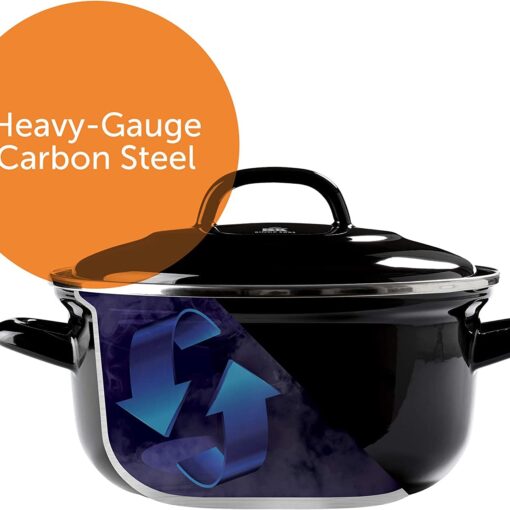
The aluminum components are crafted from heavy-gage material, providing exceptional heat conductivity while maintaining a lightweight profile. This construction allows for rapid heat conduction and uniform cooking results, eliminating hot spots that can burn food. Most pieces feature reinforced aluminum cores that deliver rapid and uniform heat distribution. The exterior layers often feature stainless steel or hard-anodized finishes for added strength, scratch resistance, and a polished appearance.
Non-Stick Coating Technology
Parini employs advanced ceramic non-stick technology derived from natural materials rather than synthetic chemicals. This coating creates a smooth surface that prevents food from sticking without requiring excessive oils or fats. The ceramic surface can withstand temperatures up to 450°F, making it safe for both stovetop and oven use.
The coating is completely free from PFOA and PTFE, chemicals commonly found in traditional Teflon coatings. Unlike PTFE-based coatings, ceramic won’t break down at high temperatures or release toxic fumes. The multi-layer application ensures effortless food release and quick cleanup. This surface works best for delicate foods like eggs, crepes, pancakes, and fish. On the condition that you use silicone or wooden utensils, the coating resists scratching and maintains its properties through long-term use.
Hard-Anodized Construction
The anodizing process involves oxidizing the outer layer of aluminum, creating a surface that becomes stronger, resistant to scratching, and easier to clean. When metals undergo anodization, the material transforms into a tougher structure that may outlast non-anodized stainless or aluminum counterparts.
Hard-anodized cookware develops a natural level of nonstick quality even without added coating. The process creates a darker appearance than traditional stainless steel. This construction excels at gentler preparations such as making eggs, though it performs differently than stainless steel for searing proteins over high heat. Some Parini pieces combine hard-anodized construction with additional nonstick coating, offering durability from oxidation alongside enhanced food release properties.
Handle and Lid Materials
Handles are securely riveted or welded to the cookware body, preventing loosening during extended use. The riveted construction adds strength and stability. Many handles feature stay-cool technology or silicone overmolds that remain cool to the touch during stovetop cooking. The ergonomic soft-touch design provides a comfortable, non-slip grip for safe handling.
Lids are constructed from tempered glass with integrated steam vents[123]. The transparent design allows visual monitoring of cooking progress without lifting the lid and releasing heat. Besides maintaining temperature, the snug fit traps steam and moisture, enhancing flavor development and reducing overall cooking time.
Is Parini a Good Brand: Quality Assessment
Durability and Performance Testing
Parini cookware demonstrates solid construction through high-grade stainless steel and aluminum that resists scratches and dents. The riveted handles prevent loosening over time, a feature many users appreciate for added strength. Heat distribution stands out as exceptional, with the base designed to minimize hot spots and ensure uniform cooking. This even heating translates to better energy efficiency, allowing you to cook at lower temperatures while achieving consistent results.
The cookware withstands daily use without warping or cracking under normal conditions. Testing protocols confirm resistance to high cooking temperatures and the non-stick coating makes both cooking and cleaning easier. However, real-world experiences vary. One Reddit user reported a pot cracking completely on its side during low-heat cooking, which led to a grease fire. This incident raises questions about quality consistency across different production batches.
Customer Reviews and Real-World Feedback
Customer feedback reveals a mixed picture of Parini’s performance. Products distributed through casino promotions have earned comments like “the quality is always hit or miss but when it’s a hit, they last for a while”. Some pieces receive strong ratings, with the Parini Nonstick Fry Pan earning 4.5 out of 5 stars from 150 reviews, the Saucepan scoring 4.7 from 120 reviews, and Cookware Sets achieving 4.6 from 200 reviews.
Common praises include the non-stick surface performing exceptionally well, durable construction for long-lasting use, and even heating for perfect cooking results. In contrast, complaints center on handles getting very hot during use, scratching after prolonged use, and excessive weight for some users. One customer reported a salad spinner rope snapping after just three days of light use.
Warranty Coverage and Customer Support
Parini typically offers a limited lifetime warranty covering defects in materials and workmanship. Warranty terms vary by retailer since Parini sells through third-party channels rather than direct retail. Customers need to register purchases online or via mail to activate warranty benefits.
Customer support presents a significant concern. One user sent three emails over a year span without receiving any response. The brand lists only an email address on their website, with no phone support available.
Price-to-Quality Ratio Analysis
Parini occupies the budget-friendly segment with prices ranging from USD 20 to USD 100. This positions it below T-fal (USD 30-150), Cuisinart (USD 40-200), and Calphalon (USD 50-250). For shoppers on a budget, Parini offers accessible entry points into quality cookware without breaking the bank.
Where Is Parini Cookware Sold and Availability
Online Retailers and E-Commerce Platforms
Finding Parini cookware requires navigating a limited distribution network. The brand operates primarily through online marketplaces rather than traditional retail channels. Three main platforms offer Parini products:
- Amazon provides the widest selection with customer reviews to guide purchasing decisions
- eBay features both new and gently used options for budget-conscious shoppers
- Walmart.com offers competitive pricing on select Parini items
The eBay marketplace shows over 1,207 listings for Parini kitchen supplies, including stock pots, Dutch ovens, pasta pots, and casserole dishes. Prices range from USD 7.49 for pre-owned ceramic dishes to USD 50.00 for new enamel Dutch ovens. Additionally, Poshmark has emerged as another secondary market where consumers can find Parini pieces.
Physical Store Locations
Physical retail presence remains sparse for the Parini brand. Grocery stores occasionally feature Parini products during seasonal promotions. Discount retailers and outlet stores carry limited inventory. Warehouse clubs offer member-special pricing on select items.
Interestingly, casino promotions represent a significant distribution channel. Customers have reported receiving Parini cookware as raffle prizes and complimentary gifts at gambling establishments. One shopper won a 3-quart saucepan at a charity golf tournament. Another casino distributed Parini small appliances including coffee pots, blenders, toasters, and waffle makers over a month-long promotion.
International Distribution Network
International availability data remains limited in publicly accessible sources. The brand’s promotional and wholesale-focused distribution model means you won’t find Parini cookware in most traditional retail stores. This explains why many shoppers struggle to locate the brand outside online marketplaces and promotional giveaways.
Conclusion
Parini cookware offers budget-friendly options manufactured in China, but the quality remains inconsistent based on real-world feedback. While some pieces perform well for years, others fail prematurely. In fact, the brand’s limited customer support and sparse retail presence make it a risky investment compared to established competitors.
Before purchasing Parini products, consider whether saving money upfront is worth the potential durability concerns. For occasional cooks on tight budgets, these pieces might serve adequately. However, if you cook frequently or need reliable performance, investing in brands with better quality control and customer service will likely deliver better long-term value.