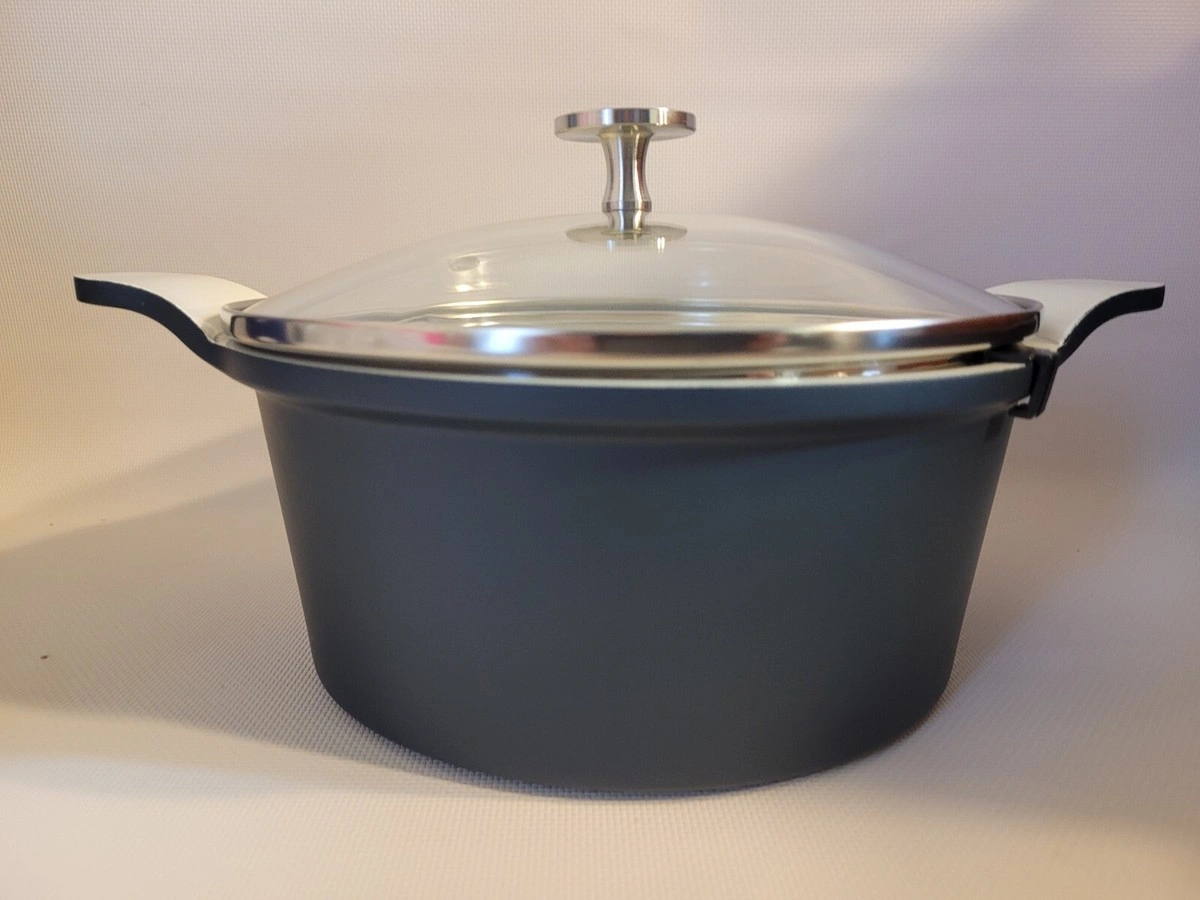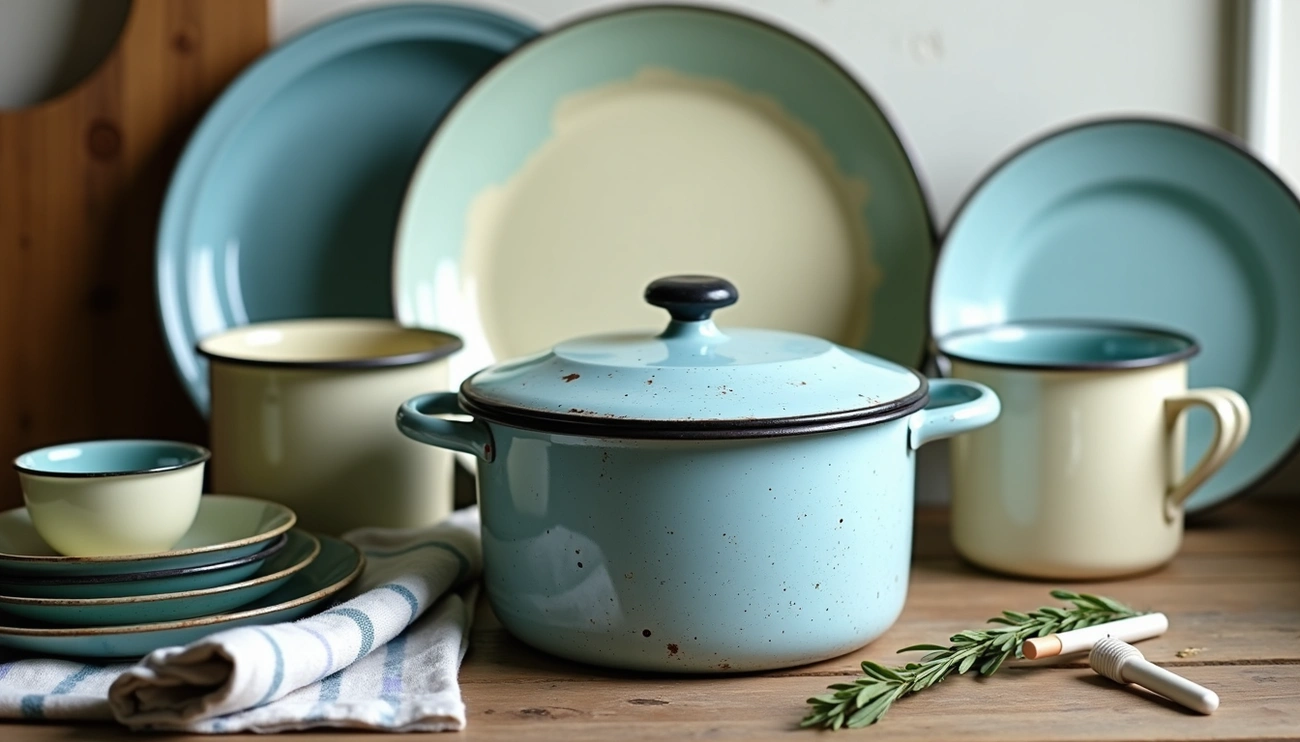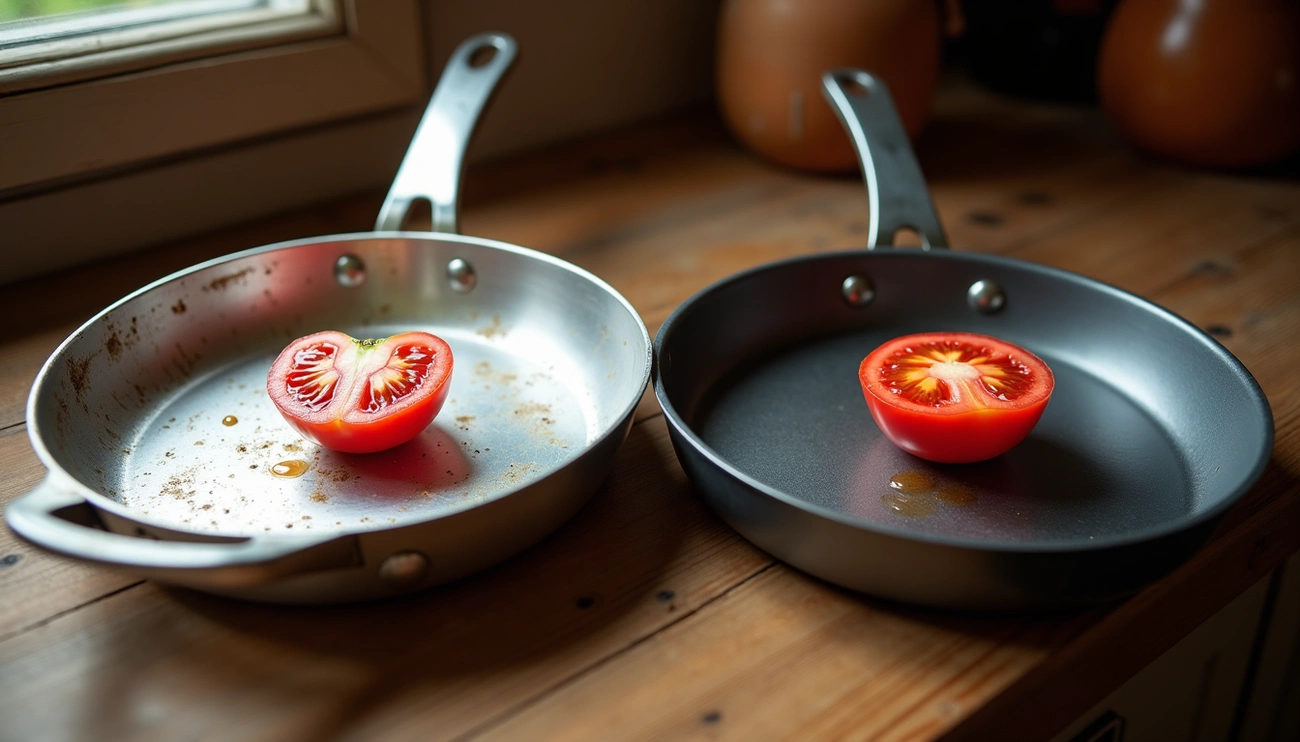
The answer isn’t straightforward. Old aluminum pans are safe if they remain smooth and undamaged. Scratched, pitted, or heavily worn pans can leach higher amounts of aluminum into food, especially when cooking acidic or salty meals. Replace severely worn pans to reduce exposure, but occasional use of intact aluminum cookware is not considered dangerous.
What makes old aluminum pans a concern?
Unlike their modern counterparts, old aluminum pans come with unique concerns that make many home cooks question their safety. Let’s examine what specifically makes vintage aluminum cookware problematic for everyday use.
Visible signs of wear: pitting, scratches, and warping
The physical condition of old aluminum pans provides the most obvious indication of potential problems. Pitting—those small holes or depressions on the surface—occurs primarily from corrosion and creates tiny spaces where bacteria can hide. Ironically, putting aluminum pans in the dishwasher accelerates this damage, as most dishwasher detergents are extremely alkaline and readily pit and discolor aluminum.
Scratches represent another common issue, particularly in older cookware. When you use metal utensils on aluminum pots, you scratch the surface, which potentially increases reactivity with foods. These scratches compromise the pan’s protective layer, creating more opportunities for aluminum to leach into your meals.
Warping occurs from extreme temperature changes or improper cooktop use, especially with thinner, lower-quality aluminum cookware. A warped base causes uneven heating, creating hot spots that can burn food in some areas while leaving it undercooked in others. Furthermore, warped pans sit unevenly on cooktops, making cooking more challenging and potentially dangerous.
How age affects the integrity of aluminum cookware
Over time, even well-maintained aluminum cookware undergoes significant changes. The most noticeable transformation happens at the microscopic level, where repeated use gradually wears down the cooking surface. Consequently, aluminum pans become more vulnerable to corrosion and metal leaching as they age.
Interestingly, research shows conflicting information about how age affects aluminum cookware. One study found more metal leaching from new non-anodized aluminum cookware compared to old versions. Nevertheless, the same research revealed that anodized cookware becomes more sensitive to metal leaching upon repeated use—the protective anodized layer gradually leaches out during cooking, eventually transforming it into non-anodized aluminum cookware.
For this reason, cookware experts recommend regularly inspecting your pots and pans for signs of wear. Specifically, look for:
- Deep, widespread scratches or warping
- Significant discoloration that doesn’t clean off
- Pitting or corroded spots
- Peeling or flaking coatings
- Unstable handles or unusual odors
Why vintage aluminum pans are more reactive
Vintage aluminum cookware presents particular concerns because many older pieces lack the protective finishes found on modern versions. Most notably, older aluminum pots and pans often don’t have the anodized finish that helps prevent food reactions.
The reactivity of aluminum makes it particularly problematic for certain types of cooking. As a result of its chemical properties, aluminum reacts with acidic foods, imparting a metallic taste and discoloring light-colored soups and sauces. Even stirring with metal spoons or whisks can worsen this effect since aluminum is such a soft metal.
The contrast between vintage and modern aluminum cookware becomes especially apparent when cooking acidic ingredients. Most compelling evidence points to acidic foods (like tomato sauces or vinegar-based dishes) and long contact times significantly increasing metal leaching from cookware. This reactivity explains why many cooking experts recommend against cooking or storing light-colored foods in unprotected aluminum cookware.
Though generally considered safe by regulatory agencies, the potential for excessive metal transfer remains a legitimate concern, particularly with older, more worn pieces that have lost their protective surfaces through years of use and cleaning.
How aluminum leaches into food
The science behind aluminum leaching reveals concerning patterns, especially with older cookware. When your food makes contact with aluminum surfaces, a chemical reaction can occur that transfers the metal into your meals. Let’s examine exactly how this happens and why it matters when assessing if old aluminum pans are safe.
The role of acidic and salty foods
Acidic foods act as powerful catalysts for aluminum leaching. Research demonstrates that aluminum reacts with acidic food, causing the metal to transfer directly into what you’re cooking. Essentially, foods with lower pH values create chemical reactions that break down aluminum’s surface.
Which foods pose the greatest risk? Studies identify these as particularly problematic:
- Tomato-based sauces and purees
- Citrus juices and marinades (lemon, orange, grapefruit)
- Vinegar and vinegar-based sauces
- Rhubarb and applesauce
- Salt herring and other salty preserved foods
Salt significantly amplifies this effect. Not only does it corrode aluminum directly, but the combination of salt and acid creates an even more aggressive reaction. To illustrate this point, research found that simmering tomato sauce (which is both acidic and salty) in an aluminum pot creates ideal conditions for metal transfer.
Impact of high heat and prolonged cooking
Cooking temperature plays a more significant role in aluminum leaching than cooking time. Research indicates that baking at temperatures over 220°C substantially increases metal transfer compared to cooking at lower temperatures under 160°C. This occurs primarily because high heat changes aluminum’s oxide layer from an amorphous to crystalline structure, making it more vulnerable.
Moreover, metal leaching showed a significant increase with longer boiling times. One study revealed that leaching of aluminum can increase by over 1,050% after just one week of storage in aluminum containers. Even more surprising, monitoring over two years found a constant significant increase of 1,321% in aluminum content.
A typical scenario that maximizes leaching: preparing acidic food (like a lemon juice marinade) in aluminum cookware and then leaving it to sit. One experiment showed this could exceed weekly aluminum intake recommendations by 871% for children and 187% for adults.
Difference between anodized and raw aluminum
Anodized aluminum undergoes an electrochemical process that creates a hardened, non-reactive surface layer. This protective barrier significantly reduces aluminum’s contact with food. Laboratory tests found that the amount of metals leached from cookware followed this order: non-anodized aluminum > anodized aluminum > steel > copper.
Initially, anodized aluminum seems safer—it’s non-reactive up to aluminum’s melting point (1,221°F) and reduces metal transfer into food. Studies confirm that new anodized cookware leaches substantially less aluminum than non-anodized versions.
However, an important finding for those wondering “are old aluminum pans safe”: anodized cookware becomes more sensitive to metal leaching with repeated use. The protective anodized layer gradually wears away during cooking, effectively transforming it back into non-anodized aluminum over time. This explains why some older anodized pans might actually be more problematic than newer raw aluminum ones.
In any case, scratched anodized pans expose food to native aluminum underneath the protective layer, potentially creating health concerns with daily use—particularly when cooking acidic foods.
Are there real health risks from using old aluminum pans?
The controversy surrounding aluminum cookware safety has persisted for decades, with mixed scientific evidence fueling ongoing debates. Let’s examine what research truly reveals about potential health concerns.
Debunking the Alzheimer’s myth
The aluminum-Alzheimer’s connection first emerged in 1965 when researchers discovered that aluminum-containing injections in rabbits formed tangles resembling those in Alzheimer’s disease. This concern intensified in 1973 when brain tissue from Alzheimer’s patients showed high aluminum levels.
Nonetheless, subsequent research has largely debunked this theory. The tangles formed in rabbits’ brains were later proven biologically different from those in Alzheimer’s patients. The Alzheimer’s Association now states that “studies have failed to confirm any role for aluminum in causing Alzheimer’s” and “most experts believe aluminum does not pose any threat”.
Despite occasional studies suggesting links, large-scale analyzes consistently find “little evidence that exposure to aluminum increases the risk for Alzheimer’s”. One compelling investigation of miners exposed to aluminum found no significant neurological or cognitive differences compared to unexposed miners.
Lead contamination in older cookware
A far more serious concern exists with certain old aluminum cookware: lead contamination. FDA testing revealed that some imported aluminum cookware can leach dangerous amounts of lead into food. This is especially problematic with cookware from developing countries where recycled scrap metal—potentially including vehicle radiators, lead batteries, and computer parts—may be used in manufacturing.
One study tested 42 aluminum cookware items from ten developing countries and found 15 released at least 1 microgram of lead per serving. Alarmingly, one pot from Vietnam released 33, 1126, and 1426 micrograms of lead per serving in successive tests.
The FDA emphasizes that “there is no known safe level of exposure to lead”. Young children, pregnant women, and breastfeeding mothers face the highest risks, as lead can damage developing brains and nervous systems.
What studies say about aluminum exposure
Beyond specific concerns about Alzheimer’s and lead, research shows aluminum exposure has other potential health impacts. Studies found that 40 of 42 tested aluminum cookware items exceeded the World Health Organization’s Provisional Tolerable Weekly Intake.
People occupationally exposed to aluminum suffer from oxidative stress and free radical damage to their DNA. Research comparing blood samples from aluminum cookware users versus non-users found the aluminum group had:
- Twice the level of aluminum in their blood
- More free radical damage to body fats and proteins
- Compromised total antioxidant capacity
- Significantly more DNA damage
Beyond doubt, the greatest risk comes from cookware made in informal shops using recycled metals rather than commercially manufactured items. Regardless of source, the German Federal Institute for Risk Assessment recommends avoiding aluminum pots for acidic or salty foods to prevent “unnecessary ingestion” of aluminum.
How to check if your aluminum pan is still safe
Examining your aluminum cookware requires vigilance and some straightforward testing methods. Fortunately, determining if your old aluminum pans remain safe doesn’t require specialized equipment or professional assessment.
Simple at-home tests for metal leaching
First and foremost, visually inspect your pan under good lighting. Look closely for deep scratches, pitting (small holes), or areas where the metal appears worn or damaged. For vintage aluminum cookware, it’s highly recommended to use a lead test kit to check for toxic metals. This simple step can provide peace of mind, especially for cookware with unknown origins.
Another practical test involves placing your pan on a flat surface. If the pan rocks or wobbles, it has likely warped. Warped pans create cooking hot spots and potential safety hazards as they don’t make full contact with your heat source.
When to retire your pan
With this in mind, experts suggest replacing aluminum cookware every five to ten years. Ultimately, retirement becomes necessary when you observe any of these critical warning signs:
- Deep scratches, denting, or significant pitting
- Warping that causes the pan to wobble on flat surfaces
- Discoloration that doesn’t clean off with vinegar solution
- Loose or damaged handles creating safety risks
- Visible corrosion or flaking of the cooking surface
Scratched cookware poses multiple hazards—bacteria can lodge in scratches, making them harder to clean thoroughly. Plus, these scratches create pathways for increased aluminum leaching during cooking.
Tips for cleaning and maintaining older pans
Proper maintenance certainly extends the lifespan of aluminum cookware. Hand-washing is essential—aluminum pans are not dishwasher safe as dishwasher detergents contain chemicals and salts that cause discoloration, corrosion, and pitting.
After use, wash pans with warm water, mild soap, and a soft sponge. Dry immediately with a cloth or paper towel to prevent limescale formation. For stubborn food residue, boil water with vinegar for 4-5 minutes.
Always let aluminum pans cool before washing, as sudden temperature changes can deform the base. Store your cookware carefully, avoiding direct contact with metal or sharp objects that could scratch the surface. By following these care instructions, you’ll maximize both the safety and longevity of your aluminum cookware.
What are safer alternatives to old aluminum pans?
First and foremost, if your aluminum cookware shows signs of wear, several superior alternatives offer both safety and performance benefits.
Stainless steel: durable and non-reactive
Stainless steel stands as the backbone of professional kitchens worldwide for good reason. This completely nonreactive material prevents metals from leaching into your food—regardless of what you’re cooking. High-quality 18/10 stainless steel (18% chromium, 10% nickel) offers superior corrosion resistance at high temperatures. For optimal performance, look for multi-ply construction with aluminum or copper cores sandwiched between stainless steel layers, which delivers even heat distribution without food contact with aluminum.
Ceramic-coated aluminum: best of both worlds
Ceramic-coated cookware combines recycled aluminum bases with non-toxic silica-based coatings. This combination provides excellent food release without harmful chemicals. These pans work best with low to medium heat settings (up to 450°F/232°C), eliminating the need for excess butter and oil. Unlike raw aluminum, properly manufactured ceramic coatings won’t react with acidic foods, though they require careful handling—no metal utensils or dishwasher cleaning.
Cast iron: long-lasting and naturally non-toxic
Cast iron has made a remarkable comeback as the original “green” pan. When properly seasoned, it develops a natural non-stick patina that only improves with use. Its unmatched heat retention makes it perfect for searing and slow-cooking. Above all, cast iron’s legendary durability means many people cook on pans handed down for generations. This versatile material excels at browning, stewing, baking, frying, and long-cooking dishes.
Conclusion
Whether your kitchen contains treasured vintage cookware or simply well-used aluminum pans, safety concerns deserve serious consideration. Throughout this article, we’ve explored how aluminum can transfer into your food, particularly when cooking acidic or salty dishes. Though the Alzheimer’s connection has largely been debunked, other health concerns remain valid, especially regarding lead contamination in certain imported or recycled aluminum products.
Undoubtedly, the condition of your cookware matters more than its age. Pitting, scratches, and warping signal it’s time for replacement. Remember that even anodized aluminum eventually loses its protective coating with repeated use, potentially becoming as reactive as non-anodized versions.
Regular inspection of your cookware offers the best protection. Simple at-home tests can reveal whether your pans remain safe for daily use. Most cookware experts suggest replacing aluminum pans every five to ten years, depending on their condition and how frequently you use them.