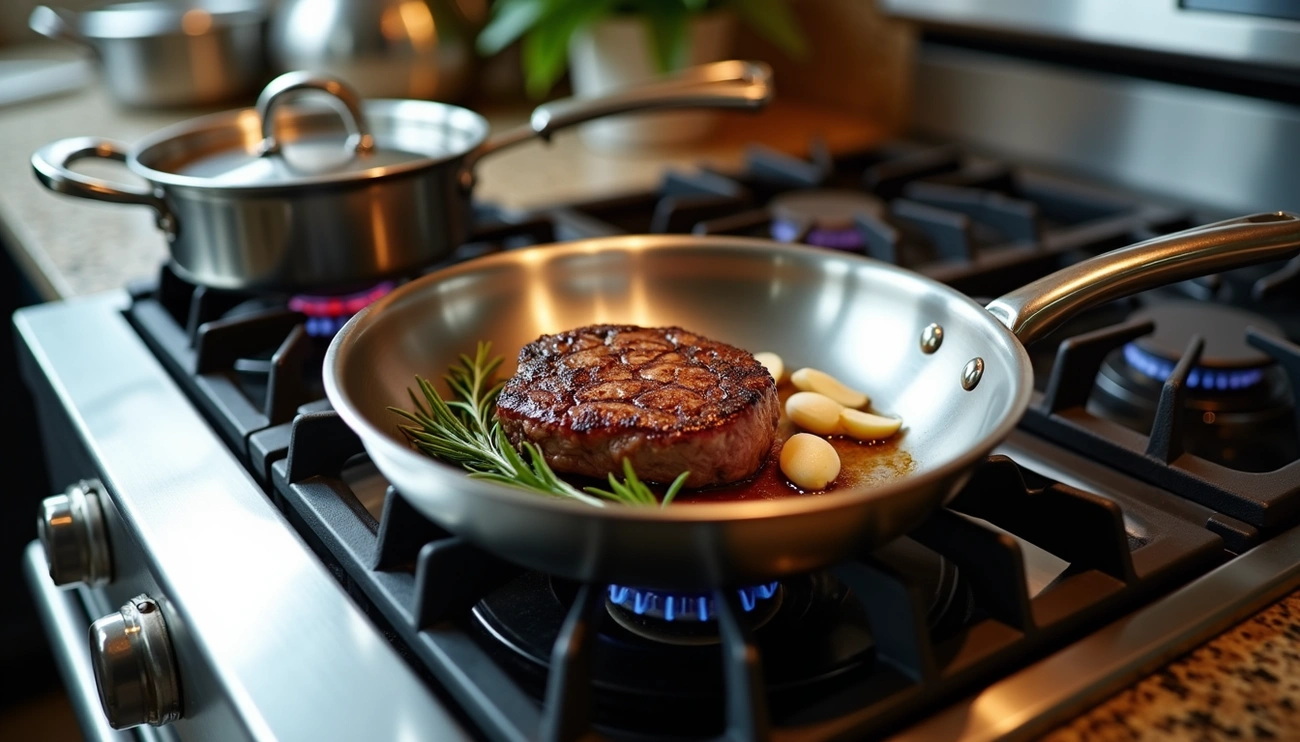
Yes, Stainless steel cookware can go in the oven if it is fully metal and oven-safe. Most high-quality stainless steel pots and pans handle temperatures up to 450°F–500°F, which makes them ideal for searing on the stovetop and finishing in the oven. Do not place cookware with plastic or wood […]
Linda
54 posts
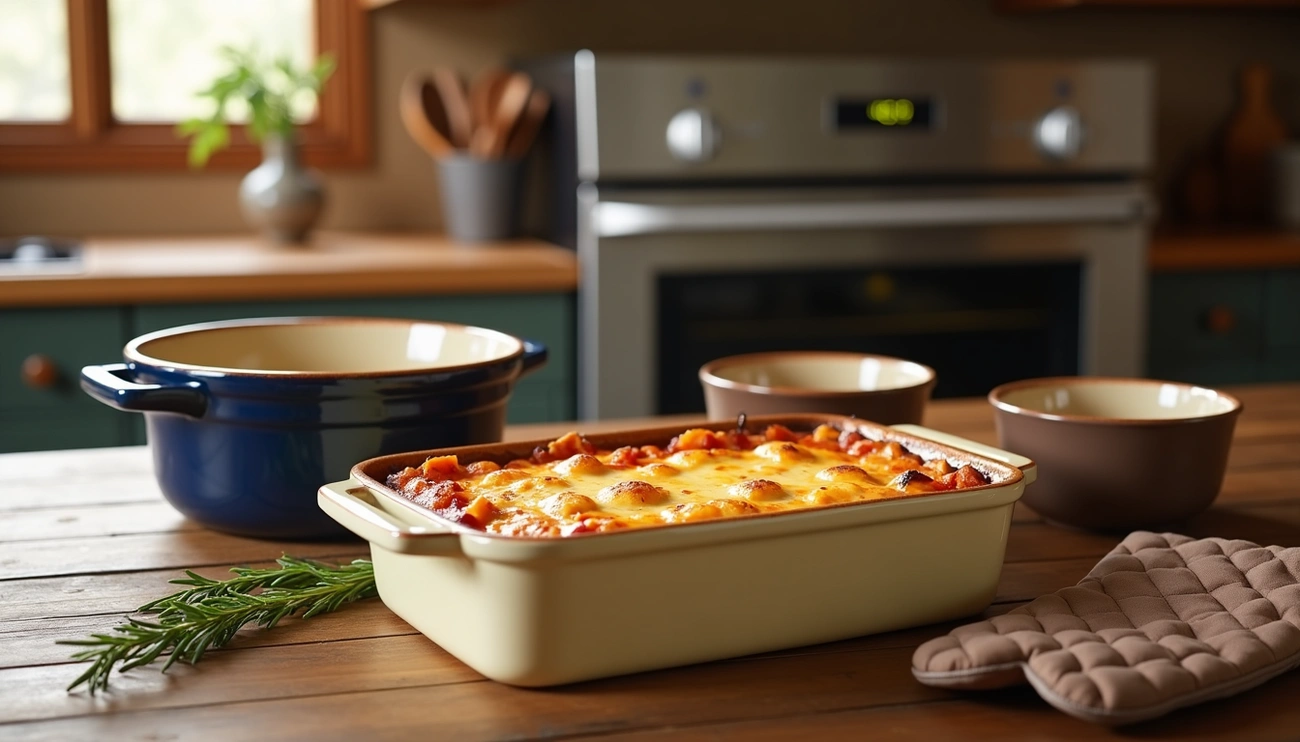
Most stoneware is oven-safe and handles temperatures up to 450°F–500°F for baking and roasting. Stoneware retains heat well and distributes it evenly. Prevent cracking by avoiding thermal shock, never placing cold stoneware into a hot oven, and never using stoneware on a stovetop. Is Stoneware Oven Safe? The Short Answer […]
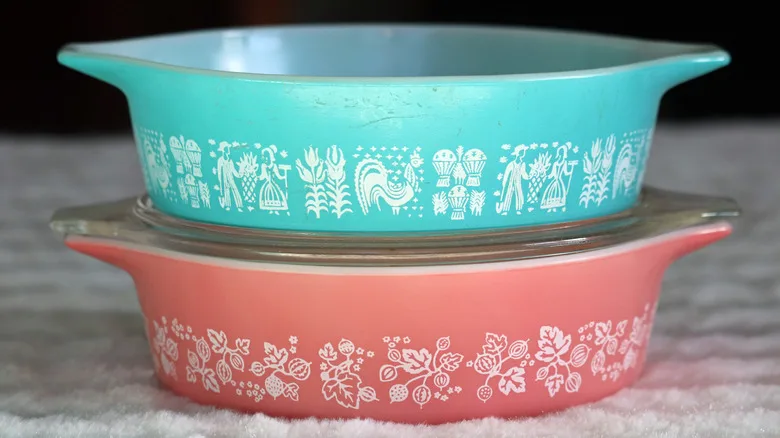
Pyrex is microwave safe because modern Pyrex products use tempered glass designed to withstand high temperatures. Manufacturers engineer this glass for reheating and cooking in microwave ovens. Avoid sudden temperature changes, such as moving Pyrex from freezer to microwave, because thermal shock can cause shattering. What Makes Pyrex Microwave Safe? […]
Cookware made in China is safe if it meets FDA or LFGB food-grade standards and passes heavy metal testing. Many reputable brands manufacture in China under strict quality controls. However, low-cost cookware may risk lead or cadmium leaching, especially in ceramic or enamel coatings. Safety depends on brand testing and […]
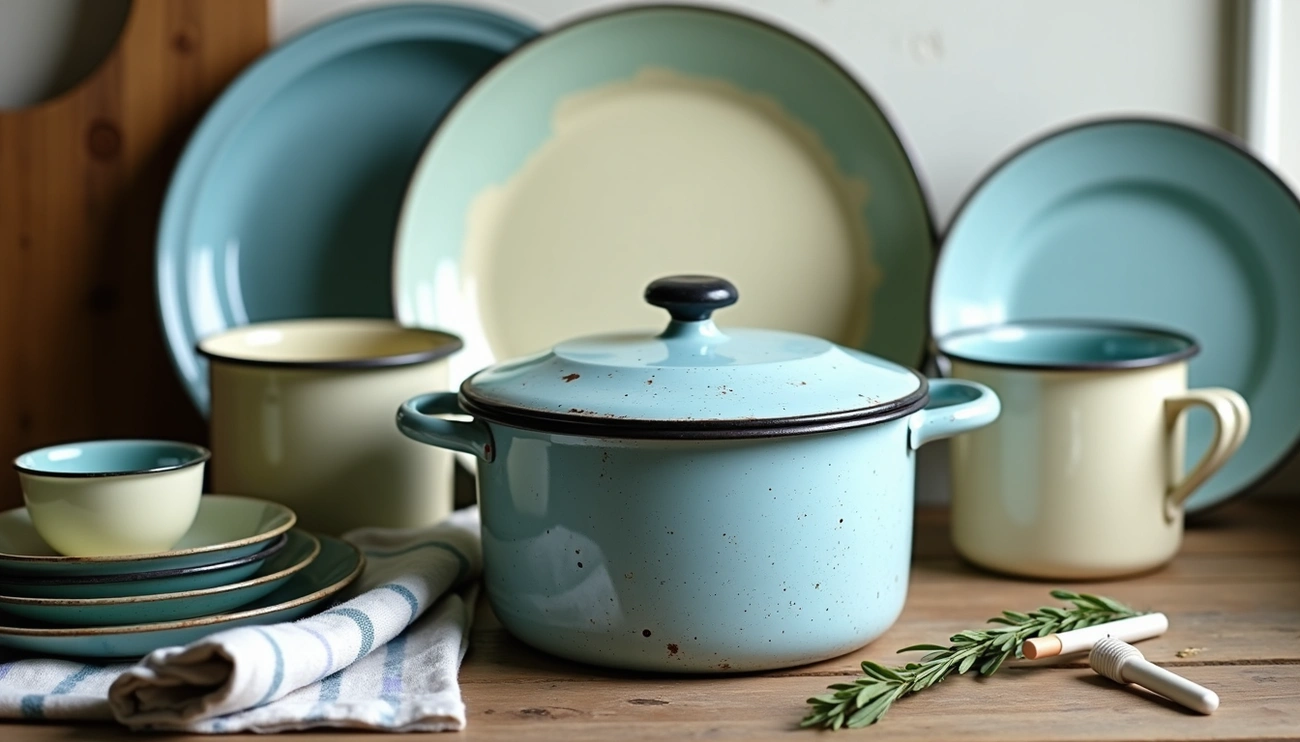
Vintage enamelware is safe to use if the enamel coating is fully intact and free of cracks, chips, or deep scratches. Enamel surfaces are non-reactive. However, pieces made before 1980, especially bright orange, yellow, or red items, may contain lead or cadmium and require lead testing before use. What makes […]
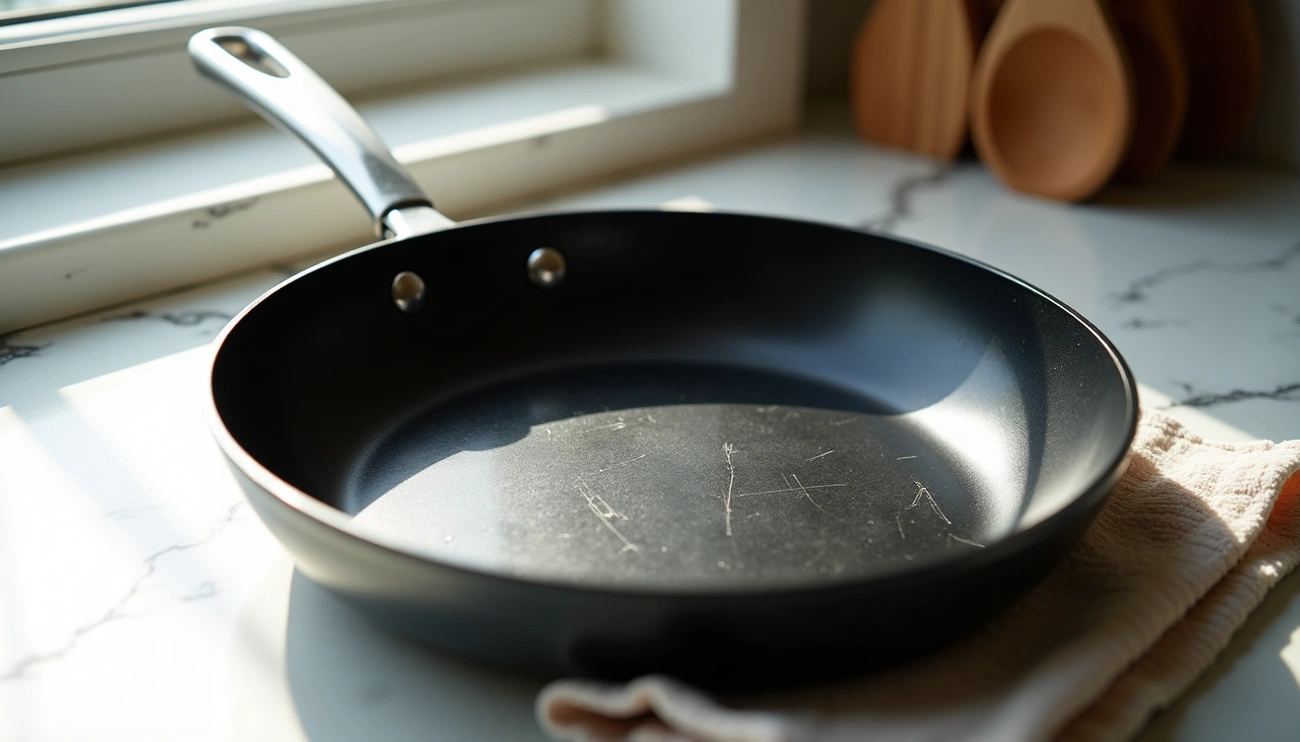
It is safe to use a scratched Calphalon pan if the scratches are minor and the PTFE nonstick coating remains intact. PTFE is non-toxic and passes through the body if small particles are ingested. Replace the pan if scratches are deep, expose bare metal, or cause flaking or peeling. How […]
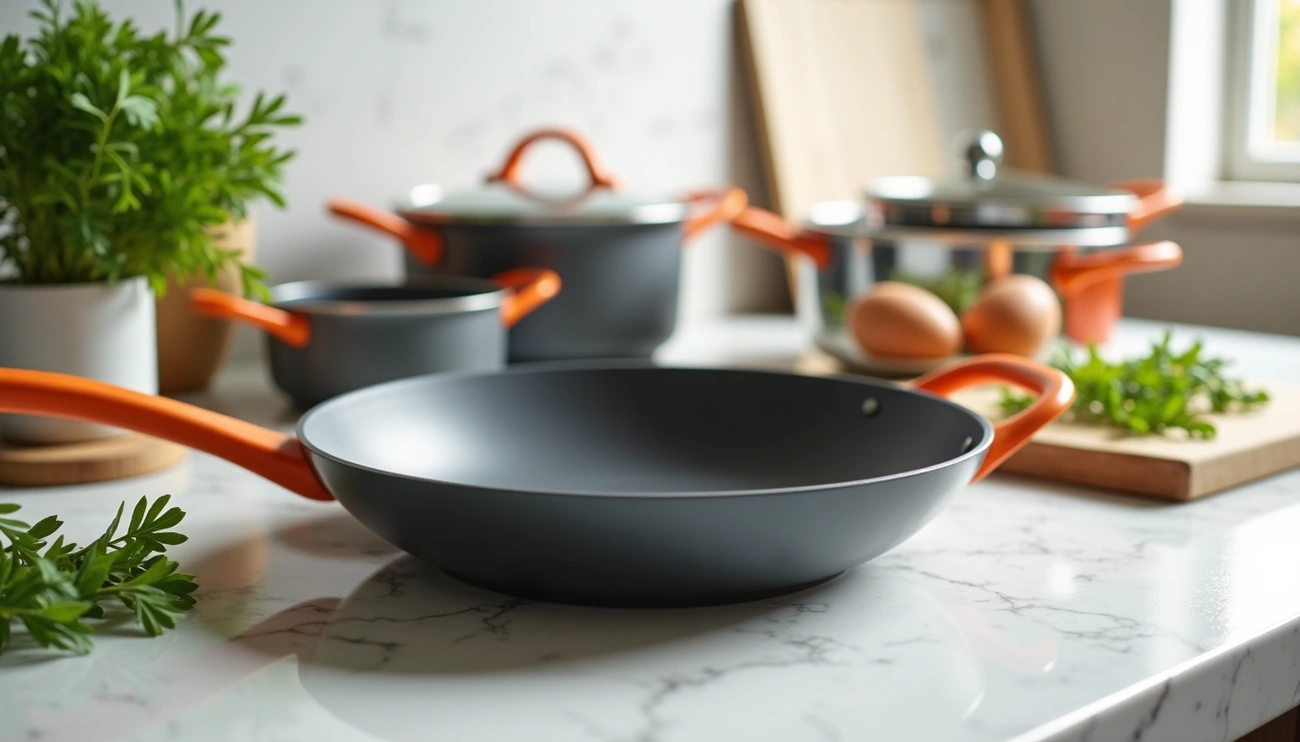
Rachael Ray cookware is safe because it uses PFOA-free nonstick coatings that meet FDA and EU food safety standards. Most lines are oven-safe up to 400°F–500°F, depending on the collection. Use low to medium heat to protect the nonstick surface and extend cookware lifespan. Are Rachael Ray pans safe to […]
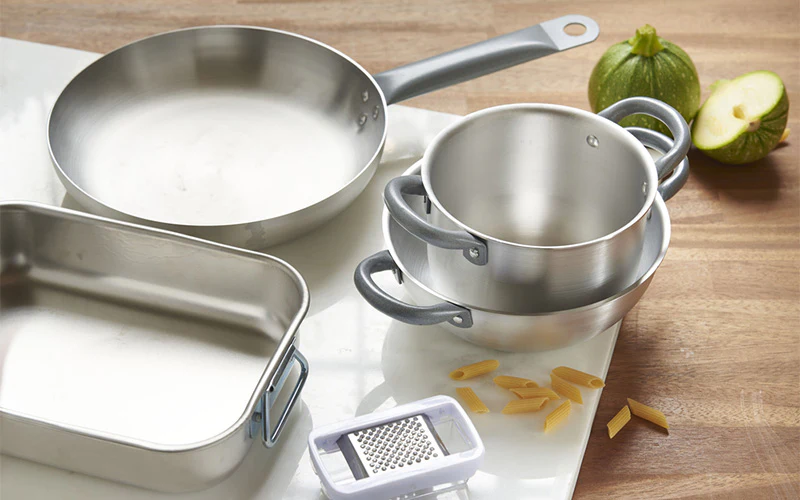
Aluminum bakeware is safe for everyday baking because the FDA and WHO confirm that aluminum leaching into food remains minimal and within safe intake limits. Aluminum conducts heat efficiently, which promotes even baking and consistent results. Avoid prolonged storage of highly acidic foods to further reduce aluminum exposure. What Makes […]
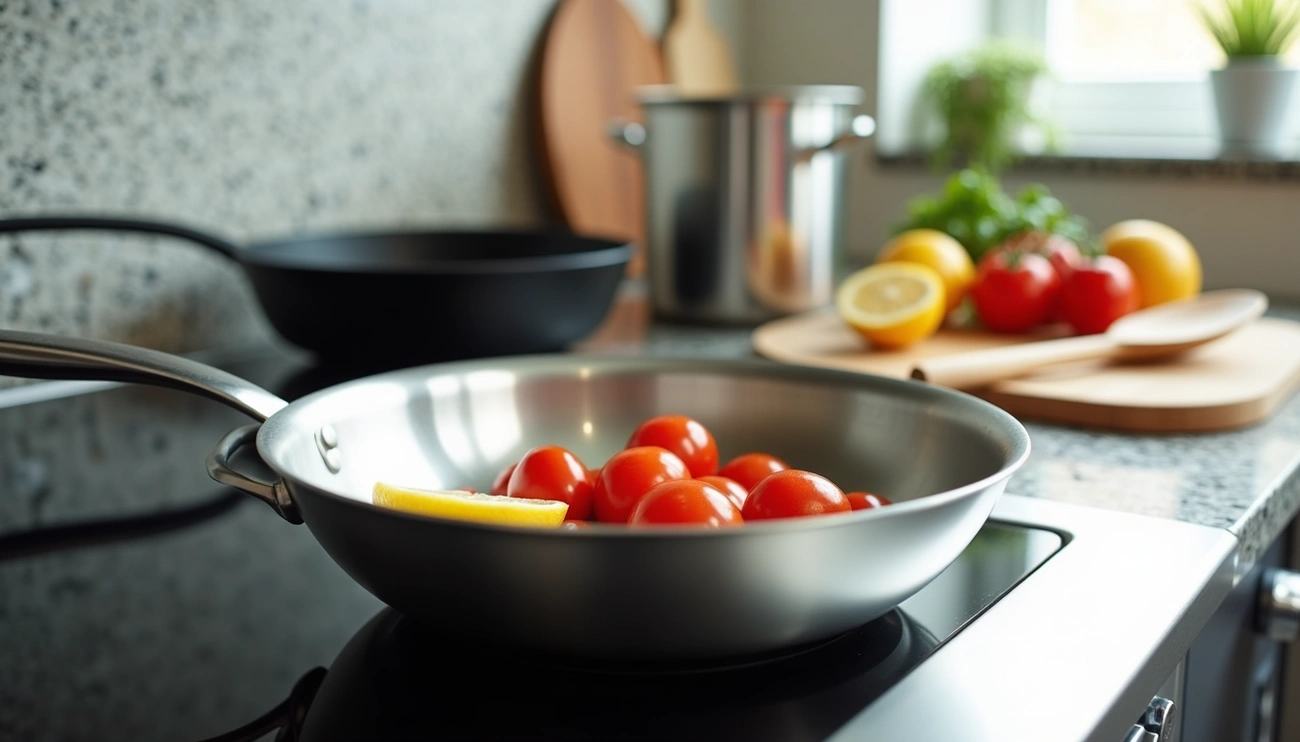
Forged aluminum cookware is safe for daily cooking because it uses anodized or food-grade non-stick coatings that prevent aluminum from leaching into food. Forged construction increases durability and improves heat distribution compared to stamped aluminum. The non-reactive surface supports consistent cooking performance and long-term use. What is Forged Aluminum Cookware? […]
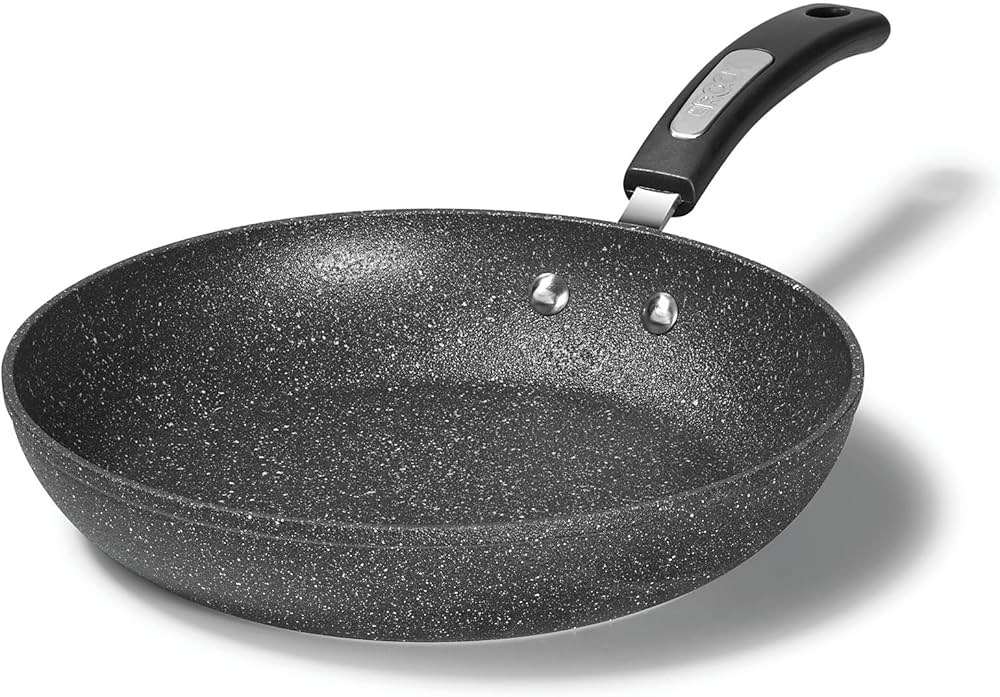
The Rock frying pans by Starfrit are healthy because they use a PFOA-free, PTFE-free, and PFAS-free ceramic or mineral-based non-stick coating. The coating supports low-fat cooking by reducing the need for oil or butter. The Rock.Tec surface resists scratches and performs at high heat, though non-stick performance can decline over […]