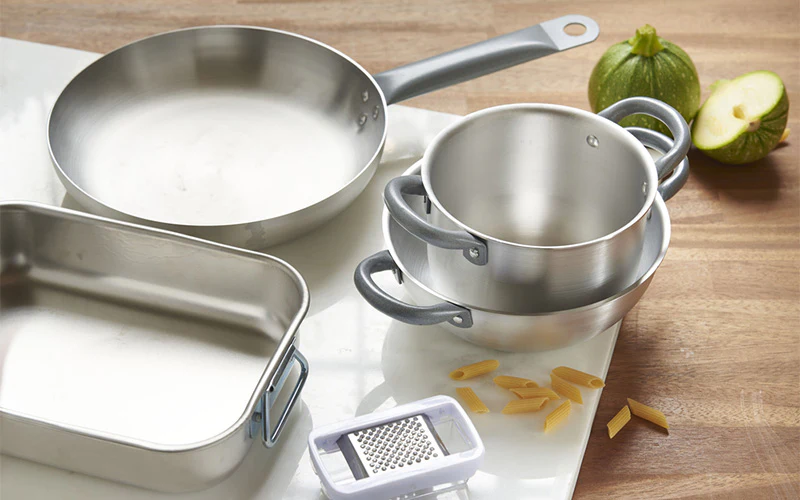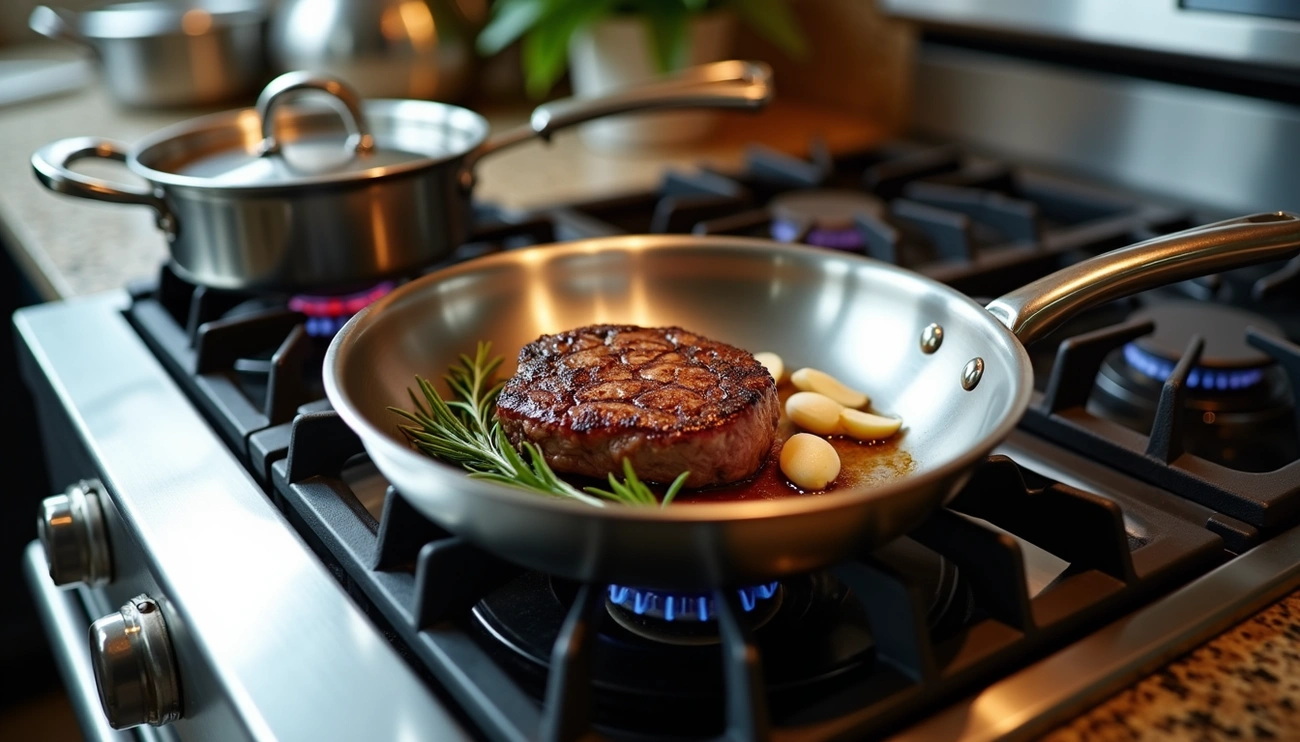
Yes, Stainless steel cookware can go in the oven if it is fully metal and oven-safe. Most high-quality stainless steel pots and pans handle temperatures up to 450°F–500°F, which makes them ideal for searing on the stovetop and finishing in the oven. Do not place cookware with plastic or wood handles in the oven.
Can You Put Stainless Steel in the Oven?
The short answer is absolutely – stainless steel cookware can safely go in the oven. However, not all stainless steel pans are created equal. Let’s explore what makes the difference.
Yes, but it depends on the pan’s build
Whether your stainless steel pans can handle oven heat comes down to construction materials and design. High-quality bonded metals perform beautifully under high temperatures, whereas pans with synthetic components have limitations. The thickness matters tremendously – thinner pans warp more easily under heat. Look closely at handle materials, too. Silicone-wrapped handles significantly reduce heat tolerance. As a rule of thumb, always check your manufacturer’s documentation rather than trusting retailer information, which often contains errors.
Typical temperature limits: 350°F to 800°F
Temperature tolerance varies dramatically across stainless steel cookware. Professional-grade clad stainless steel can withstand astonishing temperatures up to 800°F, whereas quality consumer cookware typically handles between 400°F and 600°F. Premium pans made from 18/10 stainless steel (18% chromium, 10% nickel) maintain integrity at higher temperatures. This composition appears in 300-series cookware, especially Type 304 – considered the gold standard for heat resistance. Alternatively, budget-friendly 400-series pans (like 430 stainless) handle less heat, typically maxing out at 350°F-400°F.
Remember that lids often have different limits than their matching pans. Glass lids especially max out at lower temperatures, usually around 350°F.
Why some pans warp or discolor
Warping happens because of uneven heat distribution causing different parts of the pan to expand at different rates. Even all-metal pans with riveted handles can warp if their design doesn’t account for how materials expand when heated.
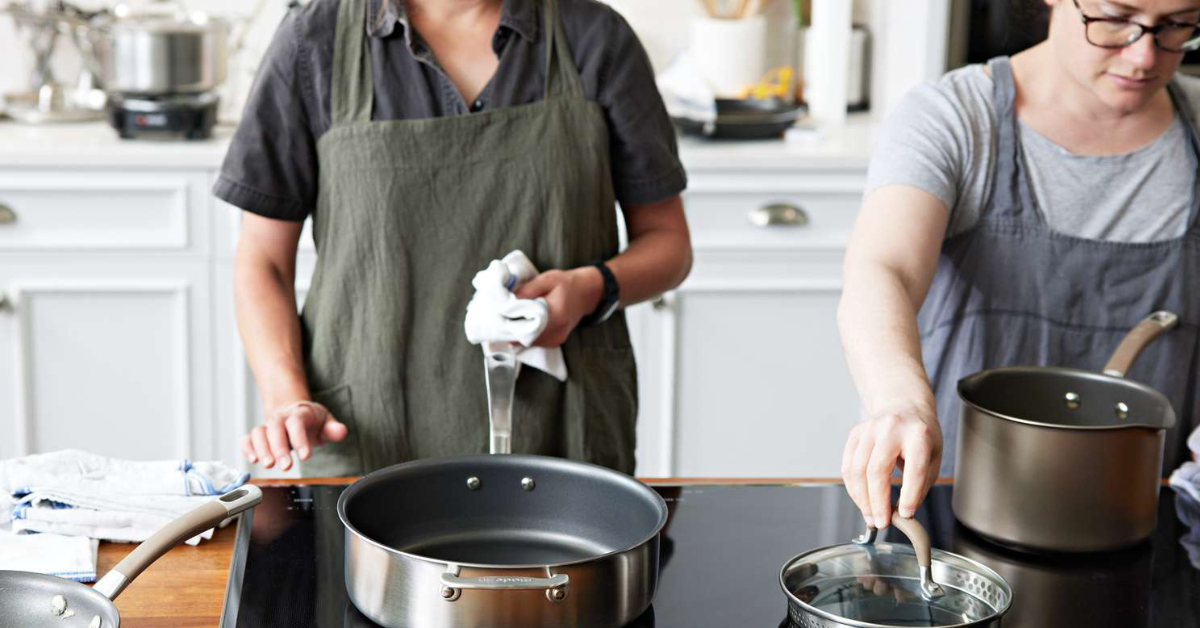
The primary culprit? Thermal shock – sudden temperature changes force metal to contract unevenly. Never place a hot pan under cold water, as this virtually guarantees warping. Instead, allow your cookware to cool naturally on the stovetop until comfortable to touch.
Another consideration: pans with varying food placement create temperature differences across the metal. Spots under food remain shielded from heat while others become fully exposed, causing different rates of expansion that lead to buckling. This explains the popping sound sometimes heard when pans enter hot ovens – it’s the metal suddenly giving in to expansion stress.
How to Choose the Right Stainless Steel Pan for Oven Use
Selecting the perfect stainless steel pan for oven use requires attention to specific design elements. Simply put, not all stainless steel cookware performs equally when subjected to high oven temperatures.
Go for tri-ply or 5-ply construction
The secret to superior oven performance lies in layered construction. Tri-ply pans feature three layers—stainless steel on both the cooking surface and exterior with an aluminum core sandwiched between them. This engineering marvel ensures heat flows evenly up the sides. For even better performance, consider 5-ply cookware, which adds additional layers for improved heat retention and stability.
While 3-ply heats up faster and responds quickly to temperature changes, 5-ply maintains more consistent heat and resists warping better over time. Premium cookware with this construction can withstand temperatures up to 600°F or even 800°F in some cases.
Prefer all-metal handles with rivets
For oven safety, all-metal handles with secure rivets are non-negotiable. Even if your pan’s body is high-grade stainless steel, plastic or wooden handles will melt or burn. Look for securely riveted handles that provide a comfortable, balanced grip. Many premium brands feature signature stainless steel handles designed specifically for both stovetop and oven use.
Avoid pans with nonstick coatings for high heat
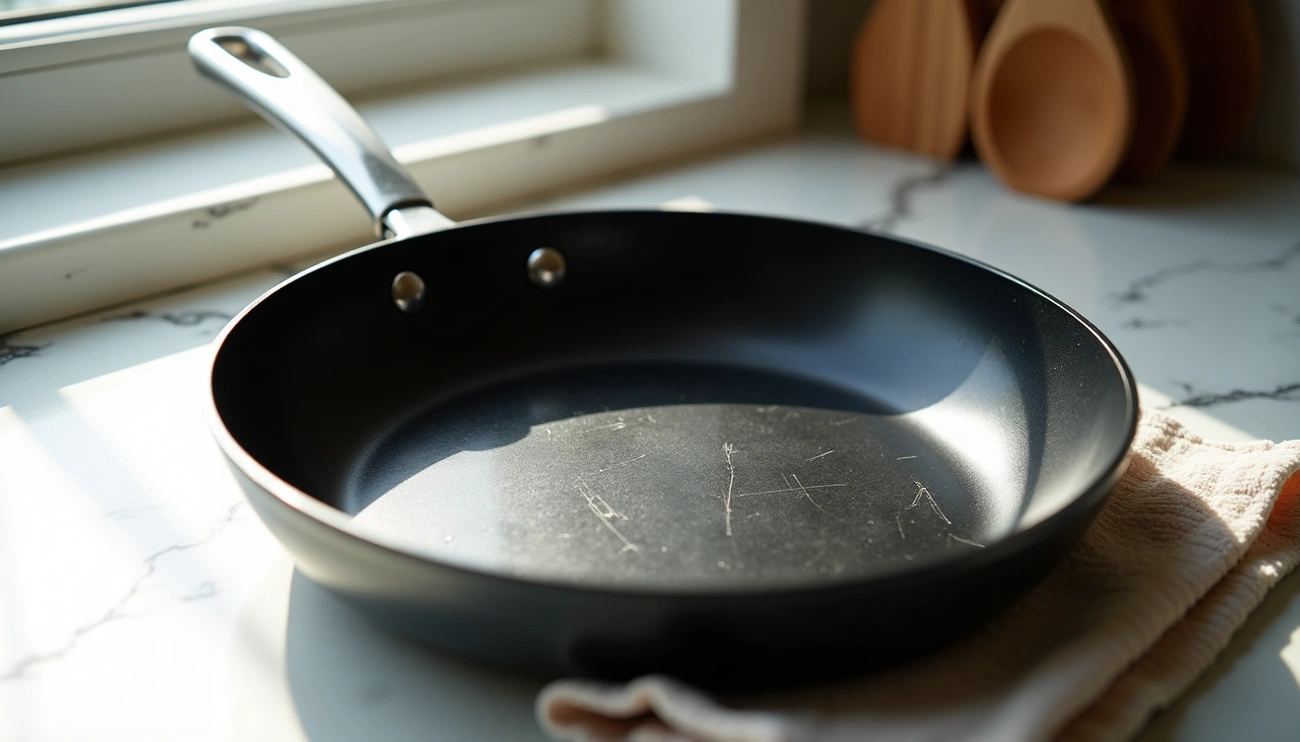
Standard nonstick coatings typically max out around 500°F. Beyond that, these coatings may deteriorate and release potentially harmful compounds. For versatile oven cooking, choose uncoated stainless steel that can handle everything from quick searing to slow roasting without limitations.
Check for oven-safe labeling
Before purchasing, always verify the manufacturer’s temperature guidelines. Quality indicators to look for include:
- Grade markings like 18/10 stainless steel (18% chromium, 10% nickel)
- Oven-safe symbols (a square with a small oven inside)
- Temperature ratings clearly stated on packaging or manuals
- Grade 304 stainless steel (part of the 300 series) for optimal heat resistance
As a final consideration, fully clad cookware with heat-conductive cores extending all the way to the rim will provide the most even heating throughout the entire cooking surface.
Best Ways to Use Stainless Steel in the Oven
Stainless steel’s true versatility shines when moving between stovetop and oven. I’ve found that mastering a few key techniques can truly elevate your cooking.
Sear-and-finish method for meats
The sear-and-finish technique perfectly showcases why stainless steel cookware excels in the oven. First, sear your protein on the stovetop, subsequently finish cooking in the oven. For delicate fish, aim for 350°F, while most meat dishes do well at 400°F. Furthermore, tough cuts benefit from high-heat roasting at up to 500°F. Remember those handles get extremely hot, so always keep oven mitts nearby!
Oven-baked pasta and casseroles
Moving stainless steel directly from stovetop to oven opens countless possibilities for one-pot meals. Start by cooking pasta or sautéing ingredients on the stovetop, add sauce, cheese, and seasonings, consequently transferring the entire pan into the oven to finish. This technique creates beautifully browned edges while maintaining moisture throughout.
Roasting vegetables and fish
For perfectly roasted vegetables, 400°F delivers the ideal balance—crispy exteriors with tender centers. Root vegetables like potatoes and carrots need 35-45 minutes, cruciferous vegetables like broccoli require 25-35 minutes, meanwhile tender vegetables such as zucchini need just 15-25 minutes. For multiple vegetable types, give root vegetables a 10-minute head start before adding quicker-cooking varieties.
Baking bread in Dutch ovens
Stainless steel Dutch ovens trap steam beautifully—essential for artisan bread. Preheat your Dutch oven at 500°F for 20 minutes, then carefully drop your dough (parchment paper and all) inside. Bake covered for 15 minutes to trap steam, thereafter reduce heat to 450°F and bake uncovered for another 15-20 minutes until caramelized.
Caring for Your Cookware After Oven Use
Proper aftercare is essential for maintaining your stainless steel cookware’s performance, primarily after oven use. Taking a few simple steps ensures your investment lasts for decades.
Let pans cool naturally before washing
Patience pays off when handling hot stainless steel pans. Initially, allow them to cool completely on the stovetop before cleaning. Placing a hot pan under cold water causes thermal shock – a sudden temperature change that can warp or even crack your cookware. This cooling period might take just five minutes, yet prevents potentially permanent damage.
Use baking soda or Bar Keepers Friend for stains
For stubborn stains or discoloration, two heroes emerge: baking soda and Bar Keepers Friend (BKF). A baking soda slurry effectively loosens burnt food residue. Moreover, BKF contains oxalic acid that strips away stains with minimal scrubbing. Simply sprinkle either cleaner on a wet surface, gently scrub, then rinse thoroughly. While baking soda works well, BKF excels at restoring that “like-new silver shine”.
Avoid abrasive scrubbers
Essentially, skip harsh cleaning tools like steel wool. Although light scrubbing won’t affect performance or lifespan, gentler options preserve appearance. Microfiber cloths and non-abrasive sponges are ideal for maintaining stainless steel. For rivets and tight spaces, a toothpick or inexpensive paring knife can safely remove trapped food.
Store properly to prevent scratches
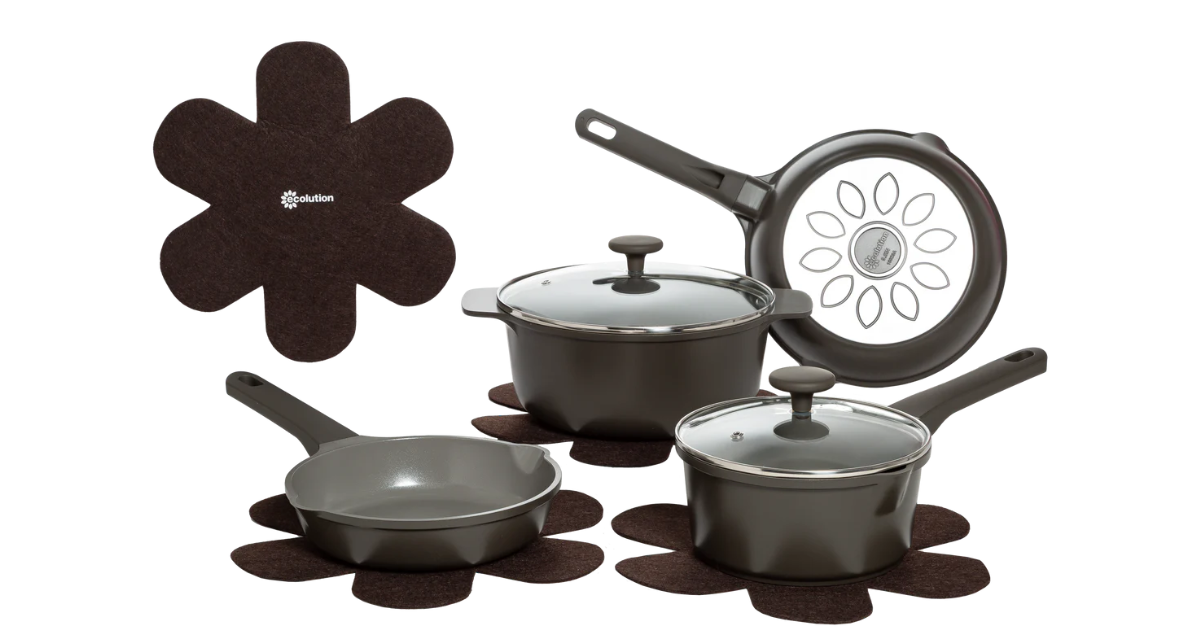
Finally, proper storage prevents unnecessary damage. Completely dry cookware before storing to prevent water spots. Stack carefully using cloth protectors between pans to prevent scratching. Alternatively, hanging pans on a rack minimizes contact damage altogether.
Conclusion
Stainless steel cookware stands as one of the most versatile additions to any kitchen, especially when you need to transition from stovetop to oven. Throughout this article, we’ve seen how quality stainless steel pans can safely handle oven temperatures ranging from 350°F to an impressive 800°F, depending on their construction.
The right stainless steel pan makes all the difference. Tri-ply or 5-ply construction with all-metal riveted handles will serve you best for years to come. Additionally, avoiding nonstick coatings ensures your cookware handles high heat without deteriorating.
The techniques we’ve explored—from searing meats before finishing them in the oven to baking artisan bread in Dutch ovens—showcase why stainless steel deserves a place in your cooking arsenal. This versatility allows you to create everything from perfectly roasted vegetables to bubbling pasta bakes with beautiful brown edges.