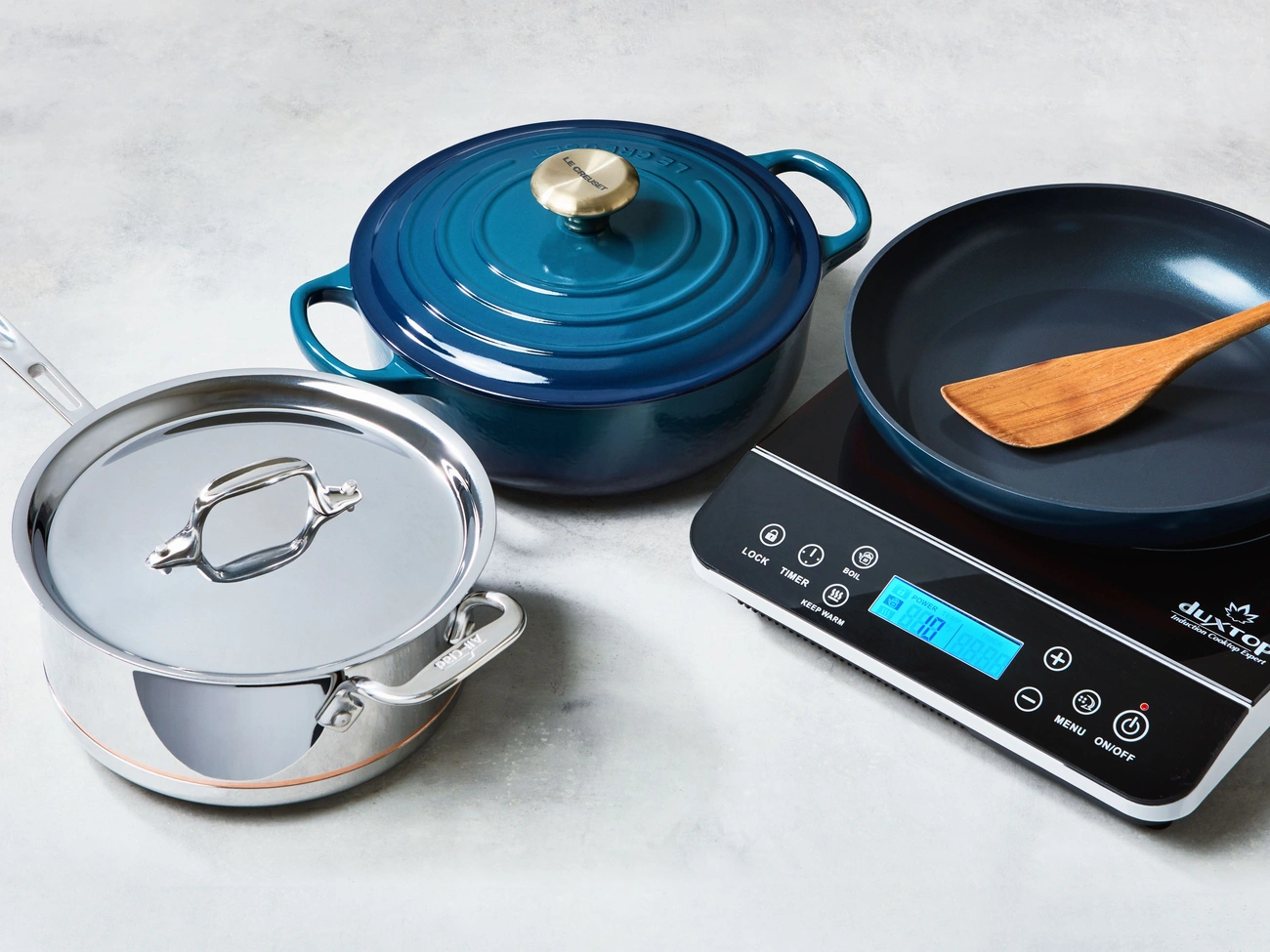
Yes, Cast iron works on induction cooktops because it is magnetic and heats efficiently through electromagnetic energy. Both traditional cast iron and enamel-coated cast iron are induction-compatible. Use cast iron with a flat base to ensure full contact with the cooktop for even heating and optimal performance.
Why Cast Iron Works on Induction Cooktops
Cast iron cookware has been around for centuries, yet it remains perfectly suited for modern induction technology. Let me explain precisely why this traditional cookware works so well with cutting-edge cooking methods.
How induction cooking works
Unlike conventional gas or electric stoves, induction cooking uses electromagnetic energy to heat cookware directly. An induction cooktop contains a copper coil beneath its glass ceramic surface. When you turn on the stove, this coil creates a magnetic field at frequencies typically between 25-50 kHz. This magnetic field isn’t hot itself but creates heat within compatible cookware through electromagnetic induction.
Essentially, the oscillating magnetic field generates eddy currents in the cookware, which creates heat due to the electrical resistance in the pan. This makes induction cooking extraordinarily efficient since the heat develops primarily in the pan rather than warming the surrounding air.
Magnetic properties of cast iron
Cast iron’s excellent compatibility with induction stems from its high iron content – typically between 90-95%. This makes it strongly ferromagnetic. The iron atoms in cast iron have unpaired electrons that create tiny magnetic fields. When exposed to an external magnetic field, these atoms align their magnetic domains in response.
Additionally, cast iron’s internal structure enhances its magnetic properties. While different types of cast iron (gray, ductile, white) may vary slightly in their magnetic strength due to carbon content and structure, all remain sufficiently magnetic for induction cooking.
Does cast iron pan work on induction?
Absolutely! Cast iron pans work exceptionally well on induction cooktops due to their ferromagnetic nature. The magnetic field from the cooktop interacts with the iron in the cookware, generating heat efficiently within the pan itself.
The simple test to determine if any cookware will work on induction is to see if a magnet sticks to it. If it does, the pan will work on induction. This applies to both traditional and enameled cast iron.
Furthermore, cast iron’s heat retention properties make it particularly well-suited for induction cooking. Once heated, it maintains temperature consistently, perfect for searing or slow-cooking dishes. Most induction cooktops also include safety features that detect cookware size, ensuring optimal performance with appropriately sized cast iron pans.
Choosing the Right Cast Iron for Induction
Selecting the right cast iron cookware makes all the difference when cooking on induction stovetops. Let me guide you through what matters most for optimal performance.
Flat vs. warped bottoms
The foundation of successful induction cooking starts with the base of your pan. Flat-bottomed cast iron provides maximum contact with the cooktop, ensuring even heat distribution and optimal cooking results. Some premium brands like Skeppshult feature precision milled concave bottoms specifically designed for induction use.
Unfortunately, lower-priced cast iron can sometimes have uneven bases or become warped with use. This creates air gaps between the pan and cooktop surface, reducing efficiency and potentially causing hot spots. When shopping for cast iron, inspect the bottom carefully – it should sit steadily without wobbling.
Many quality cast iron skillets feature a thin, raised heat ring around the edge of the base. Contrary to what you might expect, these rings actually help stabilize the pan and ensure it’s manufactured extremely close to flat. Without a heat ring, you’re more likely to end up with a wobbly skillet that performs poorly on glass surfaces.
Does enameled cast iron work on induction?
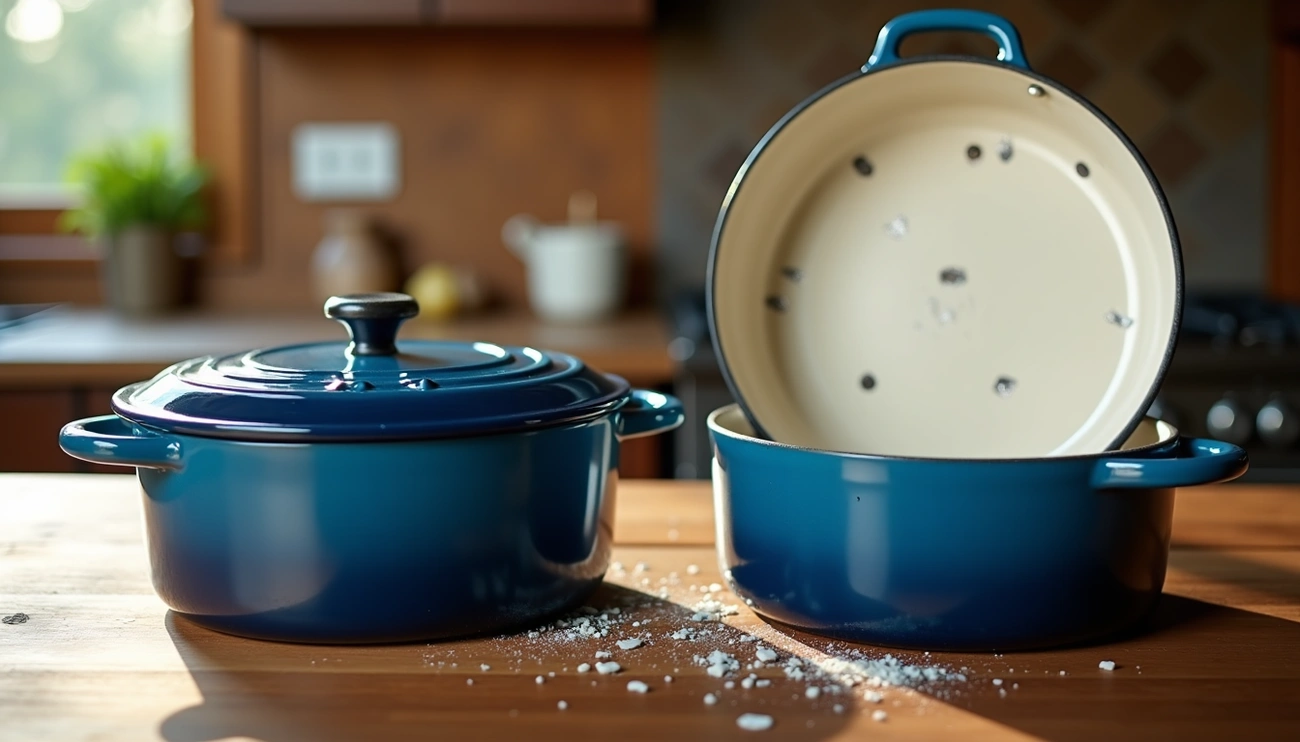
Absolutely! Enameled cast iron works perfectly on induction cooktops. Since the core material remains cast iron, it retains all the necessary magnetic properties for induction cooking. Moreover, the smooth enamel coating offers an additional benefit – it minimizes the risk of scratching your glass cooktop surface compared to uncoated cast iron.
Size and burner compatibility
For optimal cooking performance, choose cookware that closely matches your induction burner size. This isn’t merely a suggestion – it’s practically essential. Many induction cooktops include safety features that detect cookware size and won’t activate if your pan is too small relative to the burner.
Even with properly sized cookware, remember that heat only generates where the burner makes direct contact with the pan. Consequently, oversized pans may heat unevenly unless you’re using a bridge burner specifically designed to heat larger cookware.
Using Cast Iron Safely on Induction Stoves
Pairing cast iron with an induction cooktop creates a powerful cooking combination, yet requires careful handling. Induction’s magnetic cooking technology works wonderfully with cast iron, nevertheless, proper techniques protect both your cookware and the glass surface.
Avoiding scratches on glass surfaces
The main concern when using cast iron on induction is potential damage to the glass top. Cast iron’s weight and occasionally rough bottom can scratch your cooktop if handled improperly. To protect your investment:
- Always ensure your pan’s bottom is clean and free of food debris before cooking
- Consider using a heat-resistant paper or silicone mat as a protective barrier
- Never drop heavy cast iron cookware onto the glass surface
- Keep both your cookware and cooktop thoroughly cleaned after each use
Proper preheating techniques
Induction heats cast iron differently than other cooking methods. Cast iron heats much slower than stainless steel or aluminum on induction, yet requires careful attention during preheating. Begin on low heat and gradually warm up your pan to avoid hotspots and thermal shock that might damage your cookware. When adding oil, watch for it to shimmer and ripple – this indicates your skillet is properly preheated. If oil begins smoking, your pan is too hot and should be removed briefly.
Lifting vs. sliding cookware
Upon moving your skillet, always lift rather than slide it across the glass surface. This simple habit prevents scratches and preserves both your cookware and cooktop. As Lodge recommends, “gently pick up and set it back down, rather than slide it from one burner to another”. This applies even with well-machined cast iron, as any cookware can potentially damage glass surfaces.
Bridge burners for large pans
For larger cast iron pieces like griddles or grill pans, bridge burners offer an excellent solution. These specialized elements heat the gap between main burners, providing more even cooking across your entire pan. Without a bridge function, large cast iron pieces might heat unevenly, creating temperature inconsistencies that affect cooking results.
Caring for Cast Iron After Induction Use
Maintaining your cast iron cookware after induction cooking ensures its longevity and optimal performance. Proper care routines protect both your pan and cooktop investment for years to come.
Cleaning tips for cast iron
Contrary to popular belief, mild dish soap won’t harm well-seasoned cast iron. After cooking, let your pan cool slightly—never shock a hot pan with cold water as it may warp or crack. Use a non-abrasive sponge with warm water for cleaning. For stubborn food, try the salt scrub method: add ¼ cup kosher salt with a few drops of warm water and gently scrub. Alternatively, boil water in the pan to loosen stuck-on bits.
How to season cast iron on an induction stove
First, thoroughly clean and dry your pan. Place it on high heat until completely dry. Apply a thin layer of vegetable oil across the entire surface. Once the oil begins smoking, remove the pan and turn off the heat. Carefully dispose of excess oil and wash the pan again. Repeat several times for optimal results.
Storing cast iron to prevent rust
Always ensure your cookware is completely dry before storing. Apply a thin oil coating to all surfaces. Importantly, never store cast iron with the lid on—even tiny moisture amounts can cause rust. Keep cookware in dry cabinets away from humidity sources like dishwashers. When stacking pieces, place paper towels between them to absorb moisture.
Conclusion
Cast iron and induction cooking truly make an excellent pair. Throughout our testing, we’ve confirmed that cast iron not only works on induction cooktops but excels due to its ferromagnetic properties. The magnetic field generated by induction burners interacts perfectly with the high iron content in these traditional pans, creating efficient heat transfer and consistent cooking results.
Remember that flat-bottomed cast iron provides the best performance on induction surfaces. Both traditional and enameled varieties work wonderfully, though enameled options offer additional protection for your glass cooktop. Size matters significantly when matching your cookware to induction burners – the pan should correspond closely to the burner diameter for optimal heating.
Safety remains paramount when using cast iron on induction. Always lift rather than slide your cookware to prevent scratches. Proper preheating techniques help avoid hotspots and ensure even cooking. Additionally, regular maintenance after cooking preserves both your cookware and cooktop for years to come.