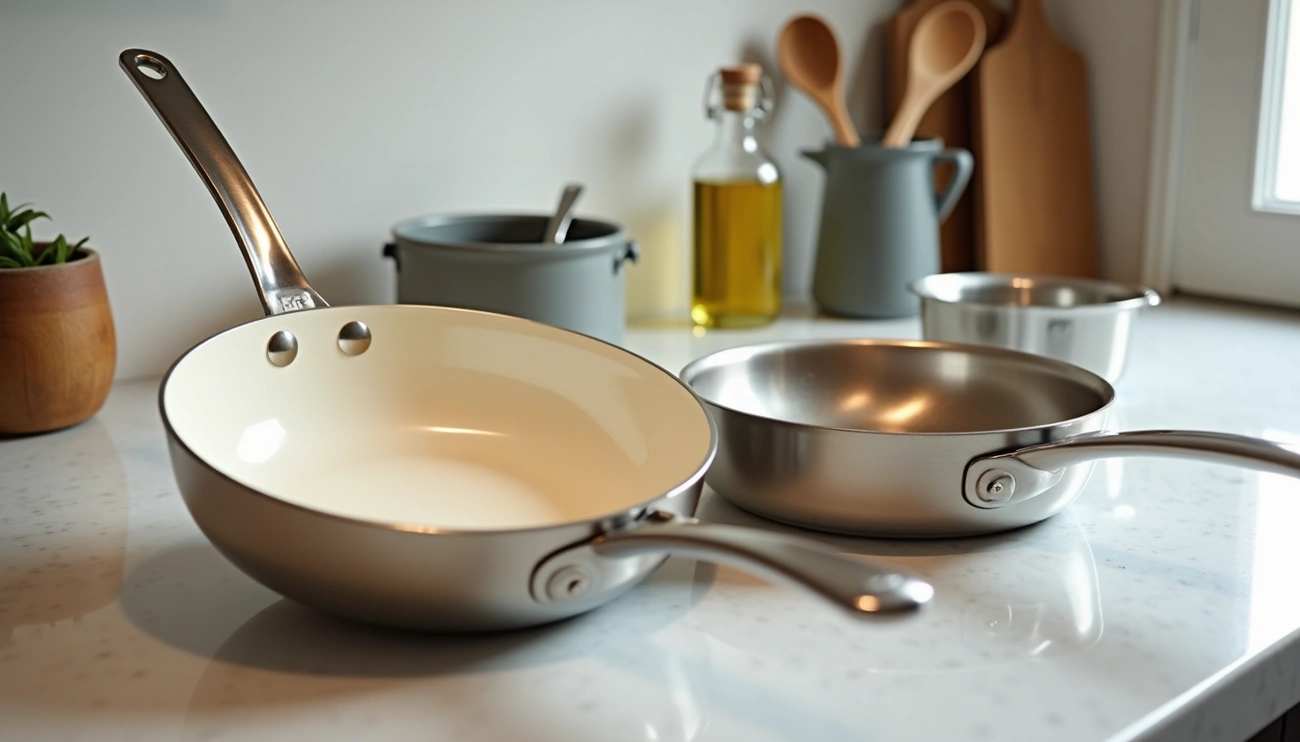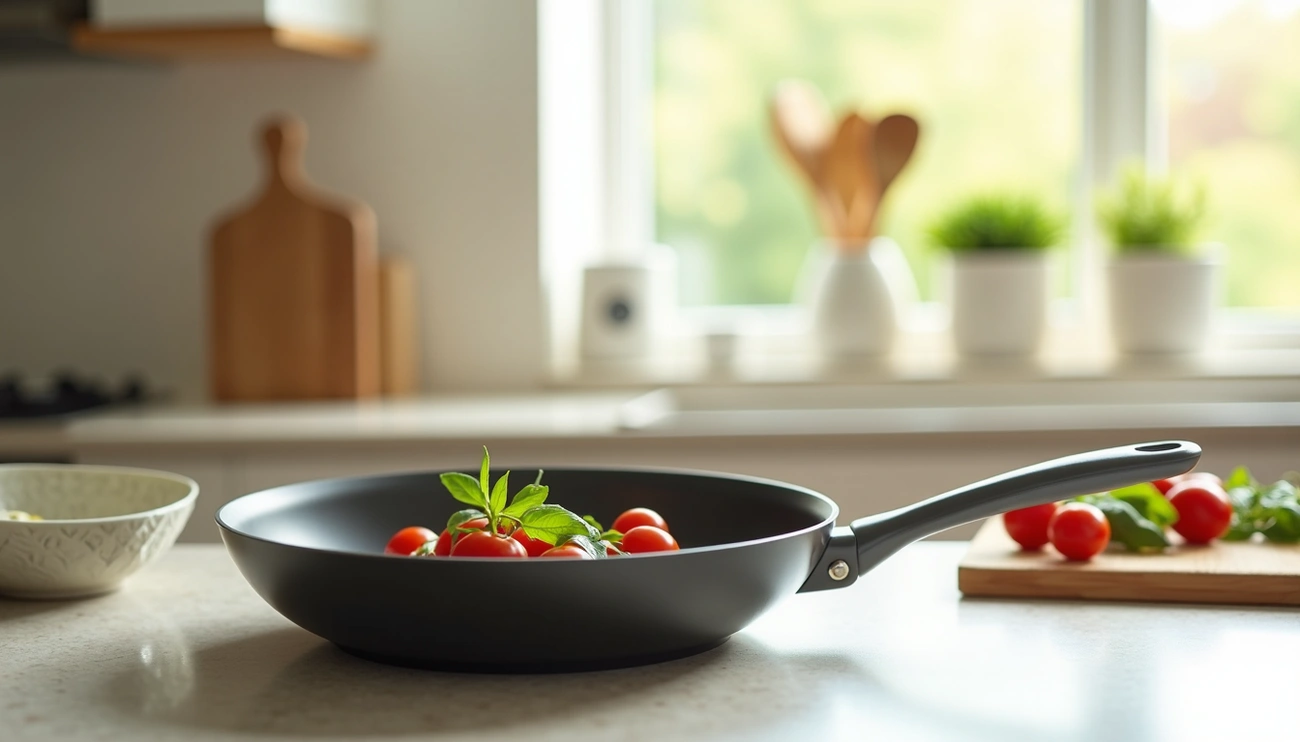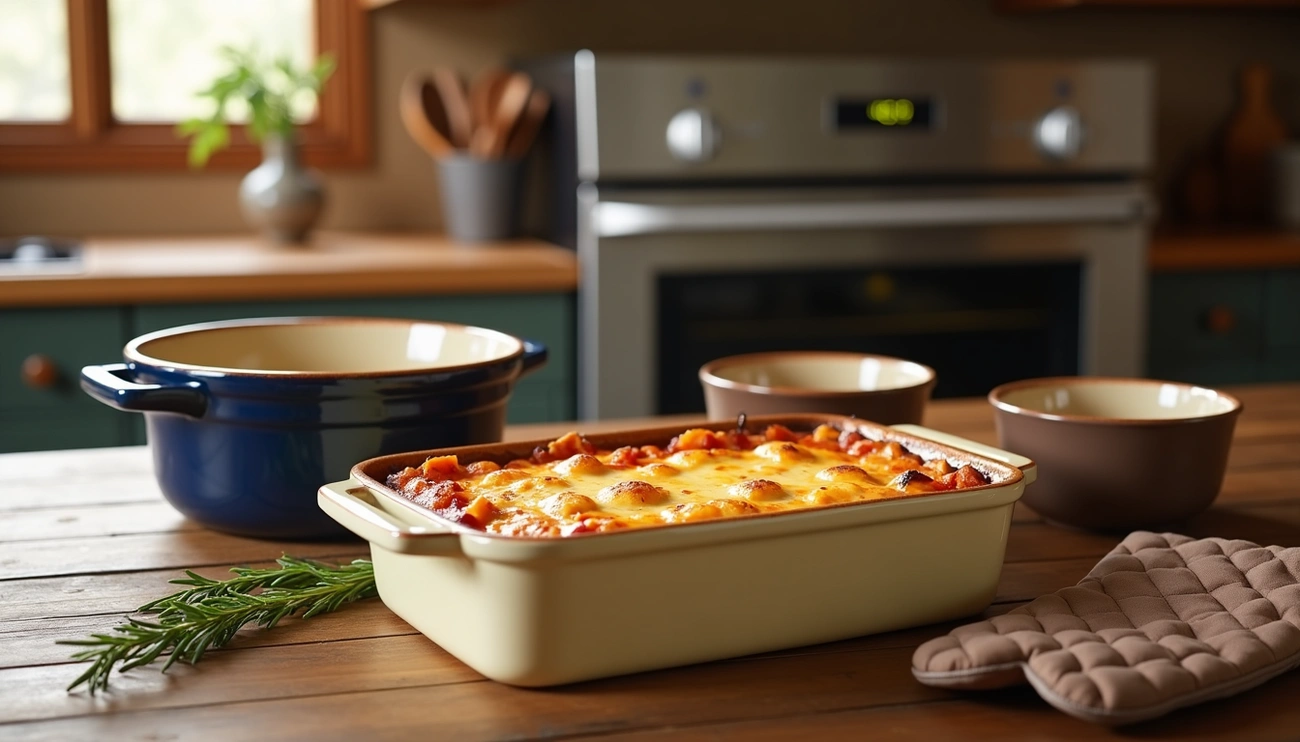
Yes, Blue Diamond cookware is completely safe for birds because it has a diamond-infused ceramic non-stick coating, one of the safest coatings in the world. This cookware is free from PTFE, PFOA, PFAS, lead, and cadmium, so it does not release any toxic fumes while cooking. However, remember not to overheat the cookware, as overheated oils or grease can be harmful to birds’ sensitive respiratory systems.
Is Blue Diamond cookware bird safe?
Blue Diamond cookware is generally considered bird safe because it uses a ceramic non-stick coating instead of Teflon. Ceramic coatings do not release harmful fumes when heated, which is safer for birds.
However, it is important to avoid overheating any cookware. Birds have very sensitive respiratory systems, so even small amounts of toxic fumes can be dangerous. Always cook with good ventilation for safety.
What kind of cookware is safe for birds?
Cookware with ceramic, stainless steel, or cast iron coatings is usually safer for birds. These materials don’t release harmful fumes when heated. Avoid Teflon and non-stick coatings with PTFE.
Always use low to medium heat and ensure proper ventilation when cooking around birds. Keeping birds out of the kitchen during cooking is the best way to protect them.
Is Blue Diamond cookware toxic free?
Blue Diamond cookware is marketed as free from harmful chemicals like PFOA and PTFE, which are found in traditional non-stick pans. Its ceramic coating is designed to be safer for health and the environment.
Still, no cookware is completely risk-free if overheated. Using the pan as directed helps reduce any chemical release and keeps cooking safe.
Does Blue Diamond cookware have aluminum in it?
Yes, Blue Diamond cookware often has an aluminum base inside for better heat conduction. Aluminum helps the pan heat evenly and quickly during cooking.
The aluminum is usually coated with a ceramic layer, which prevents food from touching the metal directly. This coating also reduces the chance of aluminum exposure.
Is Blue Diamond cookware made with Teflon?
No, Blue Diamond cookware does not use Teflon in its coating. Instead, it features a ceramic-based coating that is free from PTFE and PFOA, which are chemicals used in Teflon products.
This makes it a safer option for those concerned about toxic fumes or chemical exposure from traditional non-stick pans.
Are all stainless steel pans safe for birds?
Most stainless steel pans are safe for birds because they do not release harmful fumes when heated. They are durable and do not have chemical coatings that can break down.
However, always use pans properly and avoid overheating. Good kitchen ventilation is still important to keep birds safe during cooking.
What are the symptoms of Teflon toxicity in birds?
Birds exposed to Teflon fumes may show sudden difficulty breathing, weakness, and lethargy. They might also be quiet or sit fluffed up as if cold or sick.
If you see these signs after cooking with Teflon, get your bird to fresh air immediately and contact an avian vet. Quick action can save their life.
Is Blue Diamond pan stainless steel?
Blue Diamond pans usually have an aluminum core for heat conduction but often include stainless steel on the exterior or base for durability and appearance.
The cooking surface is coated with ceramic, not stainless steel directly. This combination balances heat distribution with a non-stick surface.
Is Blue Diamond owned by farmers?
No, Blue Diamond cookware is not owned by farmers. It is a brand owned by a company specializing in kitchenware products and cookware technology.
The name “Blue Diamond” might suggest natural or strong qualities but does not relate to farming ownership.
Why is everything sticking to my Blue Diamond pan?
Food may stick if the pan is not properly preheated or if there isn’t enough oil used during cooking. Ceramic coatings need some oil to prevent sticking.
Also, over time, the non-stick surface may wear down slightly. Avoid using metal utensils and high heat to keep the coating intact longer.
Is diamond coating the same as Teflon?
No, diamond coating is not the same as Teflon. Diamond coatings are usually ceramic-based with tiny diamond particles for durability and scratch resistance.
Teflon contains PTFE, which can release toxic fumes if overheated. Diamond coatings generally avoid these chemicals and are considered safer.
How do you clean blue diamonds?
Clean Blue Diamond pans with warm soapy water and a soft sponge or cloth to protect the coating. Avoid abrasive scrubbers that can damage the surface.
Here’s how you can clean Blue Diamond pans:
- Use warm water with mild dish soap and a soft sponge or cloth.
- Soak the pan to loosen stubborn food, then gently scrub with a nylon scrubber.
- Avoid abrasive scrubbers, bleach, and harsh chemicals.
- Rinse thoroughly and dry immediately to prevent water spots.
- Occasionally, lightly oil the surface to maintain nonstick quality.
- Use wooden, silicone, or plastic utensils to prevent scratches.
- Cook on medium or low heat to protect the coating.
- Store carefully to avoid damage from stacking.
Can I use Teflon if my bird is in another room?
It’s safer not to use Teflon at all if you have birds at home, even if they are in another room. Fumes can spread through ventilation systems and open spaces easily.
Birds’ lungs are very sensitive to airborne toxins, so avoiding Teflon or using safe alternatives is best practice.
Does Teflon affect birds?
Yes, Teflon releases toxic fumes when overheated that are deadly to birds even in small amounts. This condition is known as “Teflon toxicosis.”
Symptoms can appear quickly and often lead to fatal respiratory distress. Avoid using Teflon near pet birds completely.
What type of metal is safe for birds?
Stainless steel is the safest metal for cooking around birds because it does not emit harmful fumes or chemicals when heated. Cast iron is also safe but requires seasoning care.
Avoid aluminum pans without proper coatings and all non-stick pans with PTFE or PFOA due to toxic fumes risks.
What are the symptoms of Teflon poisoning in birds?
Symptoms include rapid breathing, weakness, trembling, and sudden death in severe cases. Birds can show distress within minutes of inhaling fumes from overheated Teflon-coated pans.
If you suspect poisoning, move your bird to fresh air immediately and contact an avian vet for emergency help.
Is Tefal safe for birds?
Tefal pans often contain PTFE (Teflon) coatings, which are unsafe for birds due to toxic fumes released when overheated. Using Tefal around birds is risky unless used very carefully without overheating.
Choosing ceramic or stainless steel cookware is a safer option for bird owners.
Is diamond coating pan safe?
Diamond-coated pans are generally safer than traditional non-stick pans with Teflon because they use ceramic coatings with diamond particles instead of PTFE chemicals.
Still, avoid overheating any pan and ensure good kitchen ventilation when cooking around birds to minimize any risk.
Is diamond coating better than ceramic?
Diamond coating is a type of ceramic coating but usually includes diamond particles for extra strength and scratch resistance. It tends to be more durable than plain ceramic coatings.
Both are safer alternatives to Teflon but require gentle care to maintain their non-stick properties over time.
What chemical is harmful to birds?
PTFE (polytetrafluoroethylene), found in Teflon coatings, releases toxic fumes harmful to birds when heated above 260°C (500°F). These fumes cause fatal respiratory distress in pet birds.
Other chemicals like PFOA are also dangerous but less commonly found in modern cookware after safety regulations improved.
Is Blue Diamond cookware dishwasher safe?
Blue Diamond cookware can be dishwasher safe according to many manufacturers, but hand washing is recommended to preserve the ceramic coating longer.
Dishwashing detergents and high heat inside dishwashers may wear down the finish over time.
Is blue diamond cookware oven safe?
Most Blue Diamond pans are oven-safe up to around 850°F (450°C), depending on the model and handles used. Always check manufacturer instructions before using in an oven.
Avoid exposing plastic handles or lids to high oven temperatures to prevent damage.