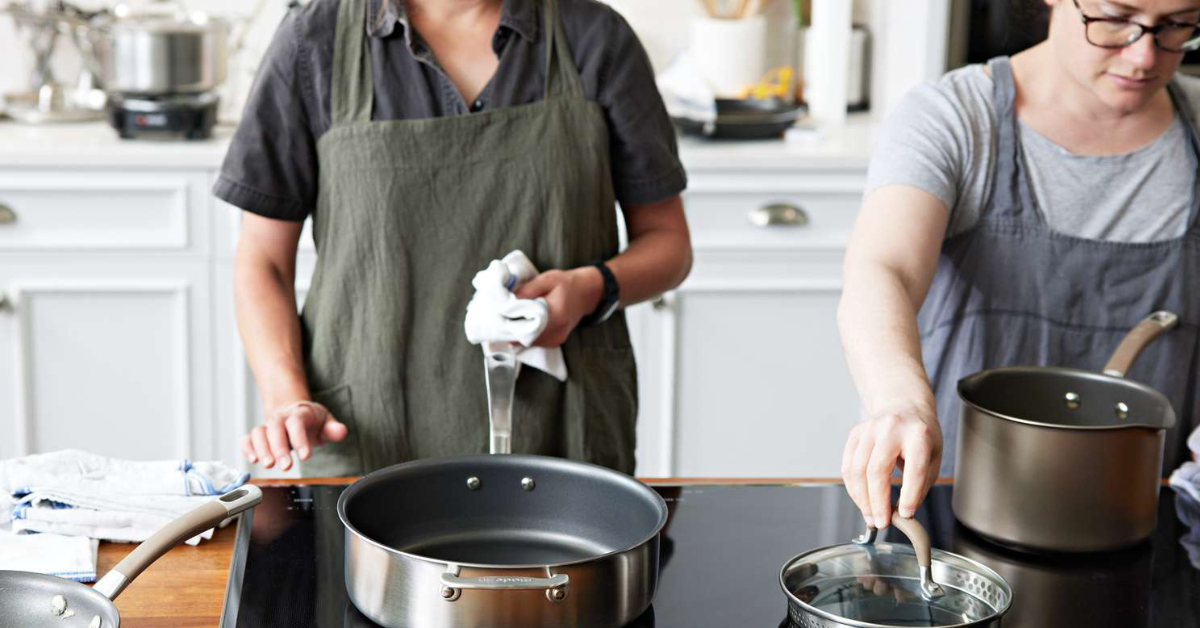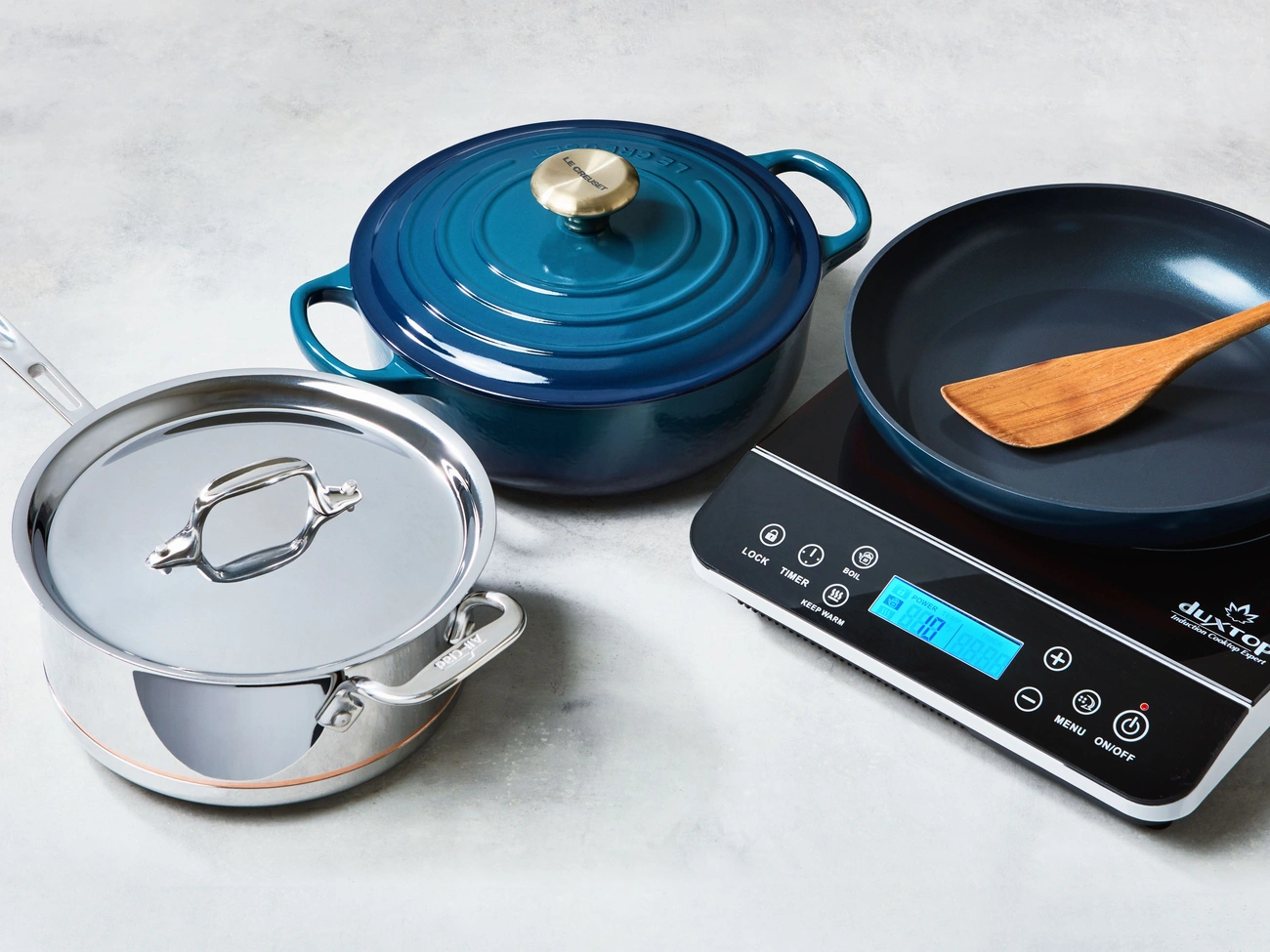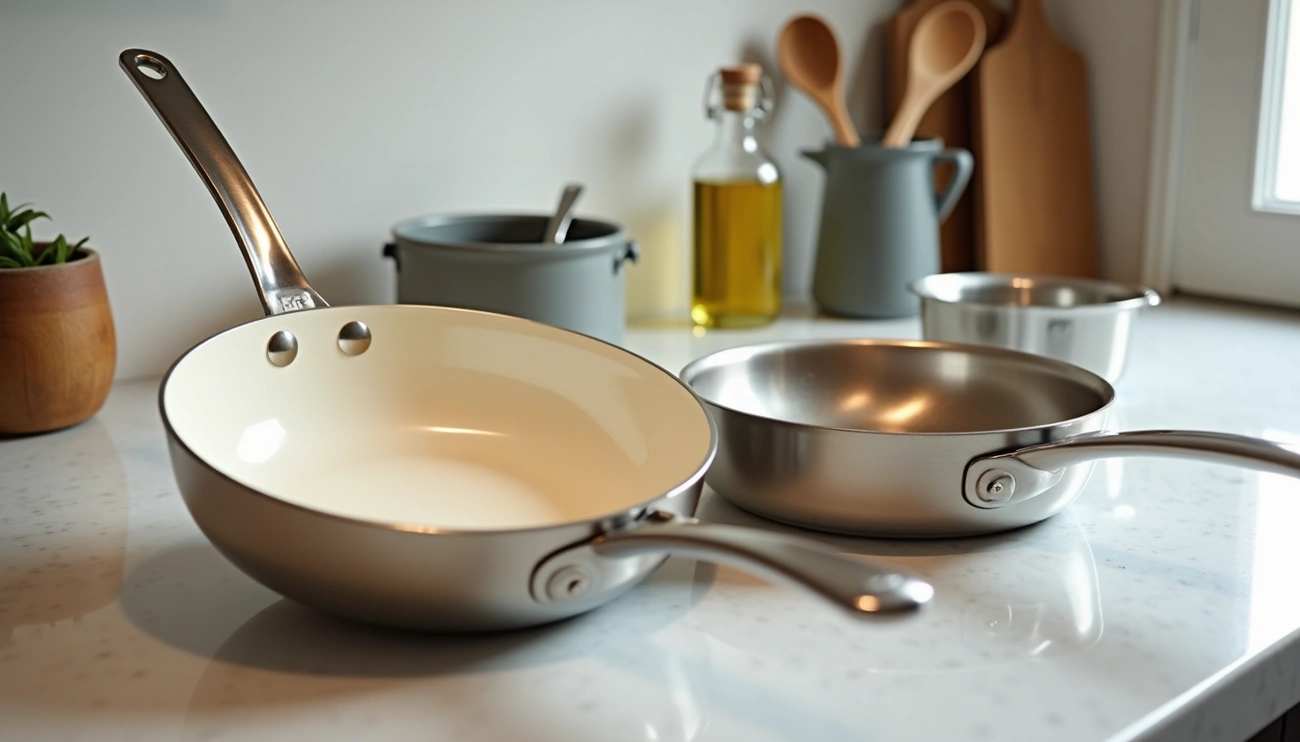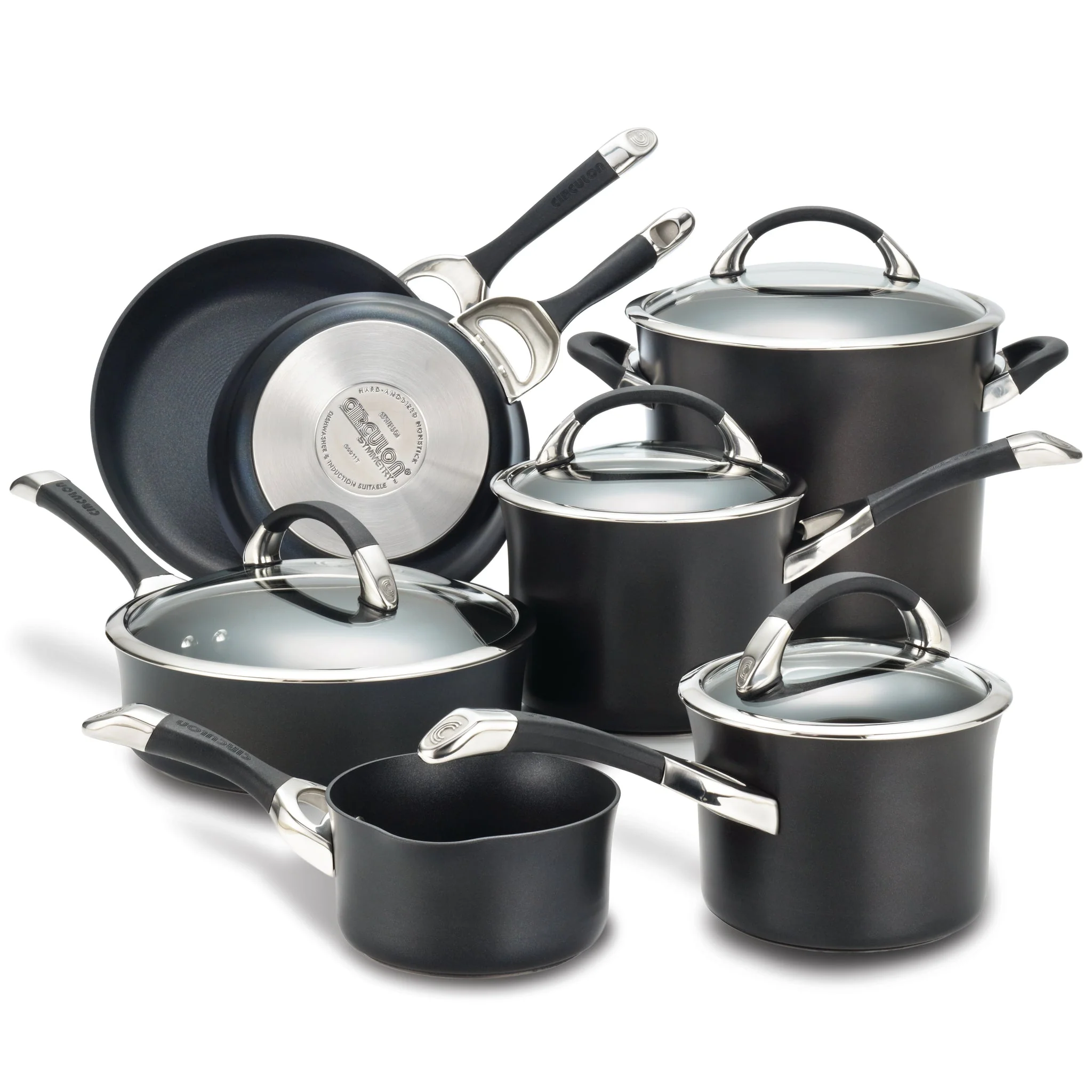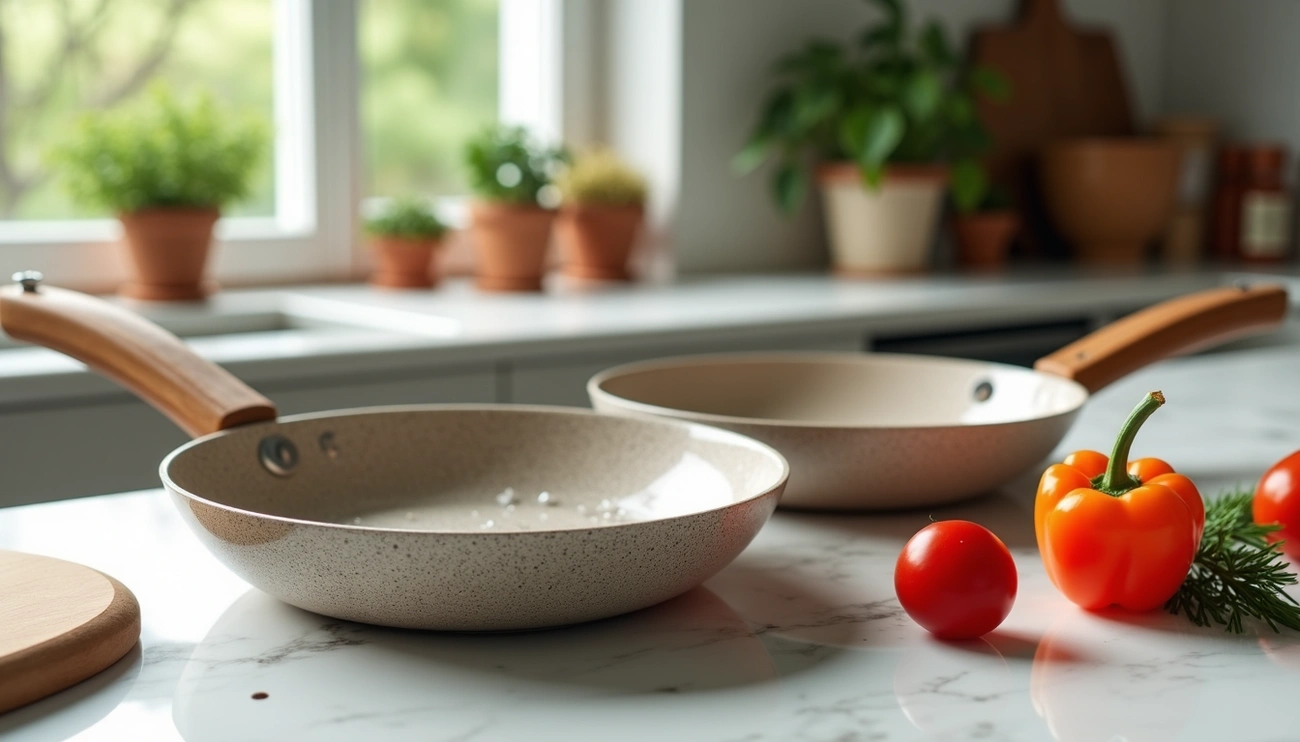
Yes, Carote cookware is safe because it uses a granite-derived ceramic non-stick coating that is free from PFOA, PFOS, PTFE, lead, cadmium, and PFAS. Carote pans support low-oil cooking and work on all stovetops, including induction. The non-toxic ceramic coating promotes healthy cooking and easy food release.
Is Carote Cookware Toxic or Non-Toxic?
When shopping for cookware, safety concerns often top the list of priorities. The marketing of “non-toxic” cookware has created both awareness and confusion among consumers. Let’s examine what makes Carote cookware safe or potentially concerning.
Understanding the term ‘non-toxic cookware’
The term “non-toxic cookware” primarily refers to products free from chemicals that might harm human health. Safety concerns mostly revolve around a class of chemicals known as PFAS (per- and poly-fluoroalkyl substances), often called “forever chemicals” because they persist in the environment and our bodies for years. Some PFAS have been linked to cancers, liver disease, and developmental delays in children.
Non-toxic cookware typically avoids:
- PFAS chemicals (including PFOA and PFOS)
- PTFE (commonly known as Teflon)
- Heavy metals like lead and cadmium that can leach into food
Does Carote cookware contain PFAS or PFOA?
According to Carote’s official statements, their cookware is 100% free of PFOA and PFOS. These two chemicals were previously used in manufacturing non-stick coatings but have been phased out since the mid-2000s due to environmental and health concerns.
Nevertheless, it’s worth noting that even products labeled “PFOA-free” can be misleading. Consumer Reports testing found that some cookware claiming to be PFOA-free still contained trace amounts of the chemical. Therefore, while Carote claims PFOA/PFOS-free status, independent testing would provide more definitive answers.
Is Carote cookware PTFE-free?
Here’s where things get complicated. While some Carote marketing materials suggest their products are PTFE-free, their own website has a page titled “All You Need to Know About PTFE” which states that PTFE itself “is not considered a carcinogen and is one of the most chemically inert, non-toxic and non-flammable substances when tested under normal conditions of use”.
This suggests that at least some Carote products may contain PTFE. The company acknowledges that overheating PTFE-coated pans can cause problems, as the coating begins to decompose at about 250°C (480°F), potentially releasing toxic fumes.
What about lead and cadmium?
Carote clearly states their products are free from lead and cadmium, which are heavy metals that can potentially leach into food from metal cookware or glazes. Their coatings have reportedly passed FDA, SGS, MA, and CNAS safety tests.
Independent reviews confirm that Carote’s granite coating meets California Proposition 65 standards for heavy metal content, suggesting their lead and cadmium claims are credible.
What Is Carote Cookware Made Of?
The composition and construction of cookware significantly impact its performance and safety. Looking at Carote’s materials reveals why many home cooks have embraced this brand for their kitchens.
Granite-derived ceramic coating explained
Carote’s signature feature is its proprietary multi-layer coating system that creates its non-stick surface. The top layer consists of 65% granite particles, providing natural stone-based non-stick performance without traditional chemical coatings. Beneath this lies a middle layer made from 35% ceramic base material. This combination creates what Carote markets as a “stone-ceramic hybrid” – not pure ceramic nor pure granite.
This hybrid coating gives Carote its distinctive speckled appearance while offering better scratch resistance than traditional Teflon coatings. The granite-ceramic coating performs best between 120°C and 200°C, which makes it ideal for most everyday cooking tasks.
Aluminum base and heat distribution
At the core of Carote cookware sits an aluminum alloy that provides excellent heat conduction. This aluminum foundation ensures even cooking by distributing heat uniformly across the cooking surface.
Carote offers two main product lines with different aluminum constructions:
- Granite Series: Features heavy-gage aluminum for superior heat distribution
- Air Series: Uses thinner aluminum for ultra-lightweight design
The Granite Series weighs between 1.8-2.2kg for a 10″ pan and supports induction cooking, whereas the lighter Air Series (0.9-1.2kg) lacks induction compatibility.
Certifications: FDA, SGS, and more
Despite marketing claims about being “FDA certified,” it’s important to note that the FDA doesn’t actually certify cookware for home use. However, Carote does undergo testing to ensure compliance with safety standards.
Independent laboratory testing by SGS has shown lead and cadmium migration levels below 0.01ppm – approximately 50 times lower than FDA safety thresholds. Furthermore, Carote cookware has reportedly passed PFOA/PFAS screening through GC-MS analysis.
In essence, while Carote’s manufacturing primarily occurs in China, the company maintains international oversight, including Italian mineral sourcing for their granite coating materials. Each authentic piece features a laser-etched QR code that can be scanned to access production batch reports and inspection records.
How Safe Is Carote in Real-World Use?
Real-world usage matters more than laboratory claims when determining cookware safety. Let’s examine how Carote performs in everyday kitchen situations.
Performance at low to medium heat
Carote cookware performs excellently for regular family cooking tasks like eggs, pancakes, vegetables, and simple dinners—primarily when used at low to medium heat settings. The pans heat quickly and distribute heat evenly within this temperature range. Users report scrambled eggs and pudding sliding right off the nonstick surface, plus crispy, impressively browned chicken thighs.
Risks of overheating and misuse
Despite claims of safety, overheating Carote pans can damage the coating. When pushed beyond recommended temperatures (above 260°C/500°F), the coating may release fumes. In fact, one user reported that after accidentally leaving an empty pan on high heat for five minutes, the coating came off immediately when water was added.
Tips to avoid scratching the coating
To maintain Carote’s nonstick performance:
- Always use wooden, silicone, or nylon utensils to protect the surface
- Hand-wash gently instead of using abrasive scrubbers
- Avoid metal utensils which can scratch and ruin the nonstick surface
- Skip cooking sprays, which can leave sticky buildup
Is it safe for kids and pregnancy?
Given its PFOA-free formulation, Carote is generally considered safe for families, including pregnant women and children. Essentially, the absence of harmful chemicals makes it a safer alternative to traditional nonstick cookware.
Does Carote cookware leach chemicals?
Independent laboratory tests confirm that Carote’s granite coating does not release detectable levels of heavy metals or PFOA/PFAS chemicals below 260°C. Furthermore, the granite coating is inert, meaning it’s safe for cooking acidic ingredients like tomatoes and lemons without affecting flavor or leaching chemicals.
What Users and Experts Say About Carote
Real consumer experiences provide crucial insights beyond marketing claims. Let’s examine what actual users and experts say about this popular cookware brand.
Amazon and Reddit reviews summary
On Amazon, Carote boasts an impressive 22,200 five-star ratings with customers particularly drawn to its affordability. Reddit discussions reveal mixed opinions about durability. Many users praise Carote’s non-stick performance and even heat distribution. As one Reddit user commented, “I love mine. They’re easy to clean and they look good!”. Conversely, several users report staining issues after a few months, noting that “they get stained because people use high heat”. Another pointed out, “I bought one. Six months later the non-stick properties are basically kaput”.
Expert opinions on ceramic coatings
Regarding ceramic coatings, experts note they typically “break down in place, rather than ending up in your food”. Unlike Teflon, ceramic coatings don’t off-gas unless flaking occurs. Nonetheless, most specialists acknowledge that even with proper care, non-stick surfaces generally last 5-8 years maximum. Experts remain divided on whether Carote’s coating contains PTFE despite their PFOA-free claims.
How to spot fake Carote cookware
Authentic Carote pieces feature a laser-etched QR code linking to production batch reports. Some users reported inferior materials in suspected counterfeits, noting “the lids have lots of dings” and easily dent.
Conclusion
After examining Carote cookware from multiple angles, we can confidently say it offers a reasonably safe option for everyday cooking needs. The granite-ceramic hybrid coating certainly provides advantages over traditional Teflon surfaces, especially given its PFOA, PFOS, lead, and cadmium-free composition.
Safety ultimately depends on proper usage. Most problems arise when users expose these pans to excessive heat or use metal utensils that damage the coating. Therefore, sticking to low and medium heat settings while using wooden or silicone utensils will significantly extend your Carote cookware’s lifespan and maintain its safety profile.
Undoubtedly, questions remain about potential PTFE content despite the “PFOA-free” marketing. Though Carote promotes their products as non-toxic, their own materials suggest at least some products may contain PTFE. This ambiguity deserves consideration when making your purchasing decision.
Balanced against these concerns, though, stands Carote’s excellent heat distribution, lightweight design, and impressive initial non-stick performance. Many users report satisfaction with daily cooking tasks like eggs, pancakes, and basic sautéing.
The cookware seems best suited for budget-conscious cooks who understand its limitations. You’ll likely get 1-3 years of good performance before the non-stick properties begin degrading – far less than premium cookware but reasonable given the price point.