Cookware made in China is safe if it meets FDA or LFGB food-grade standards and passes heavy metal testing. Many reputable brands manufacture in China under strict quality controls. However, low-cost cookware may risk lead or cadmium leaching, especially in ceramic or enamel coatings. Safety depends on brand testing and transparency.
Understanding the Risks of Lead in Cookware
Lead in cookware represents a significant health hazard that many consumers remain unaware of. The problem extends beyond China to various countries where quality control in manufacturing may be limited.
Why lead is used in some cookware
Lead finds its way into cookware primarily through the use of recycled scrap metal in manufacturing processes. Artisanal and industrial manufacturers in some regions produce cookware from discarded materials including automobile parts, computer components, and construction materials. Furthermore, lead is intentionally added to brass cookware to improve corrosion resistance and machinability. In traditional glazed ceramics, lead has been used because it adds color, provides a smooth bright finish, and is relatively easy to apply.
Health effects of lead exposure
The consequences of lead exposure are far-reaching and severe. According to the World Health Organization, there is no known safe blood lead concentration. Even blood lead levels as low as 3.5 μg/dL may be associated with decreased intelligence in children, behavioral difficulties, and learning problems. Children are especially vulnerable because they absorb approximately 40-50% of ingested lead, compared to only 3-10% in adults.
Exposure can cause damage to multiple body systems. Low-level exposure may result in reduced attention span, lower IQ, and antisocial behavior. At higher concentrations, symptoms include fatigue, headache, abdominal pain, vomiting, and neurologic changes. Additionally, lead exposure causes a significant global burden of disease, with the Institute for Health Metrics and Evaluation estimating that more than 1.5 million deaths globally were attributed to lead exposure in 2021.
Recent FDA cookware lead contamination recall
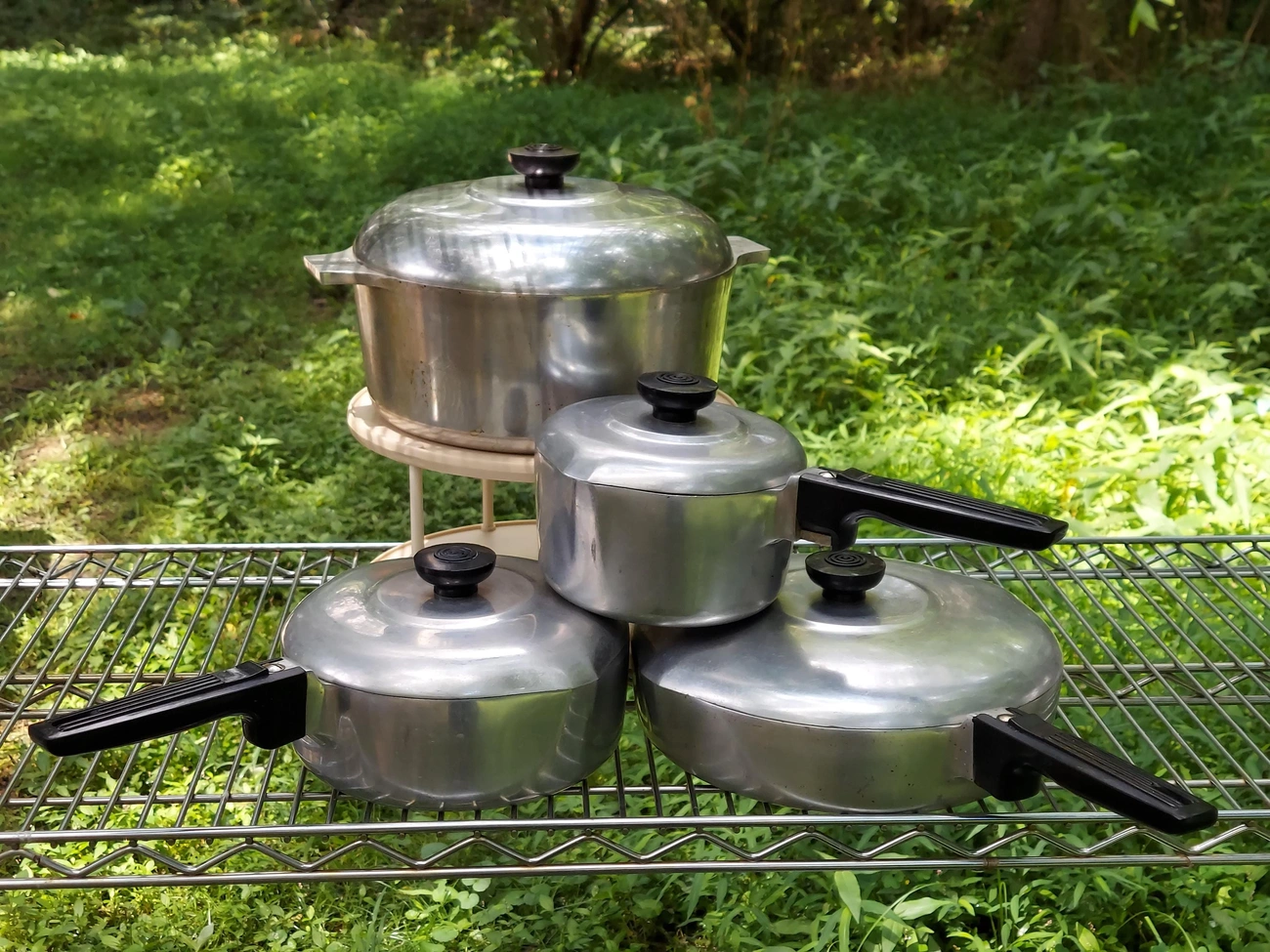
In August 2025, the FDA issued a warning about imported cookware that may leach significant levels of lead into food. The agency identified several products made from aluminum, brass, and aluminum alloys known as Hindalium/Hindolium or Indalium/Indolium that demonstrated potential to leach lead during cooking. Testing revealed that some cookware contained lead concentrations up to 16,000 ppm, with the highest levels found in products from Vietnam, Pakistan, Indonesia, and India.
The FDA subsequently expanded its warning in September and November 2025, adding more products to the list. If you own any of these flagged items, the recommendation is clear: dispose of them immediately rather than donating or repurposing them.
Is Stainless Steel Cookware Made in China Safe?
Stainless steel cookware from China varies dramatically in quality and safety, depending primarily on the manufacturing standards rather than geographic origin. Understanding the differences in steel composition is essential for making informed purchasing decisions.
What to look for in stainless steel grades
The grade of stainless steel directly impacts both durability and food safety. High-quality cookware typically uses 304 grade stainless steel (also known as 18/10), which contains 18% chromium and 10% nickel. This composition offers excellent corrosion resistance and durability. For those with nickel sensitivities, 430 grade stainless steel (18/0) contains 18% chromium but no nickel, making it safer for this group, although less durable over time.
In contrast, 201 stainless steel contains only 1-2% nickel (much lower than 304’s 8%) and has poor corrosion resistance, making it prone to leaching manganese, chromium, and other heavy metals. Unfortunately, 201 steel is often deceptively marketed as higher-grade material.
How to identify safe stainless steel cookware
First and foremost, look for cookware with transparent material disclosures and third-party certifications. Quality stainless steel products should be certified against food safety standards. Made In cookware, for example, uses independent testing to verify their products are free of Bisphenols A, S, and F, with minimal PFAS content.
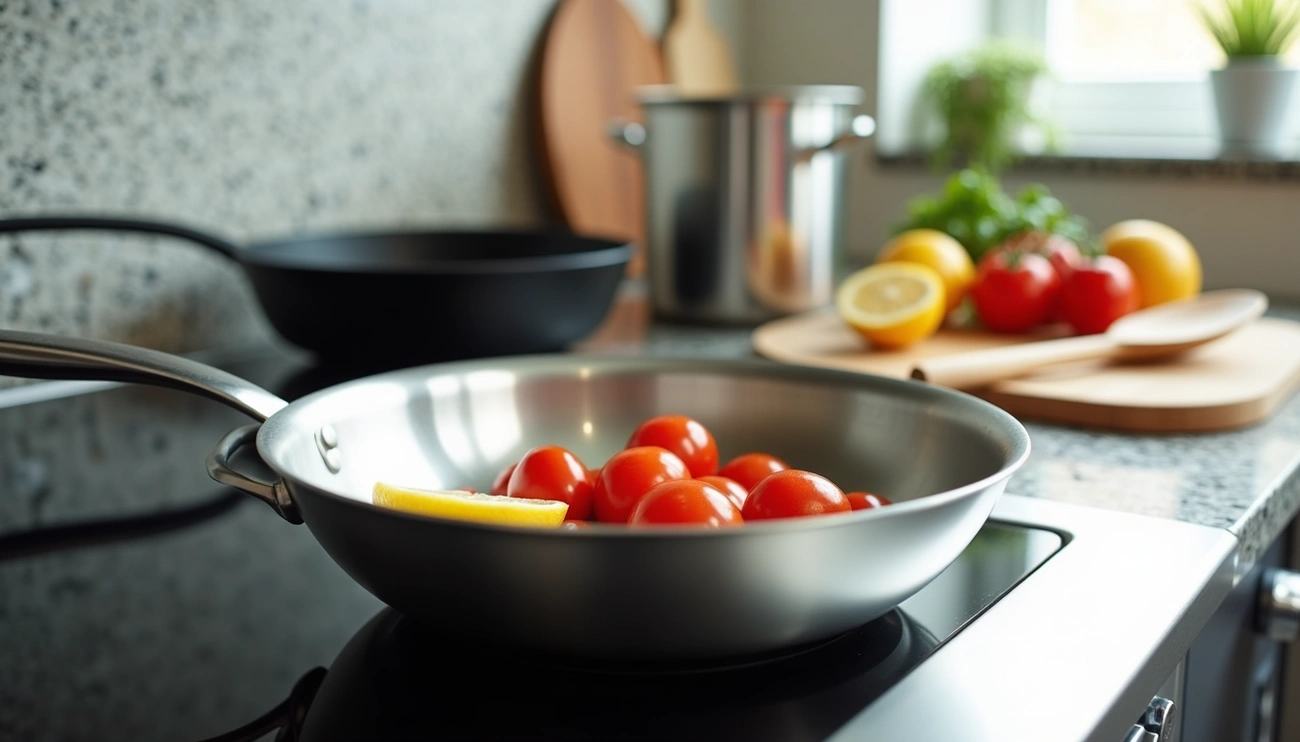
A simple on-site magnetic test can help distinguish between grades – 304 stainless steel is generally non-magnetic or only slightly magnetic, whereas 201 is noticeably magnetic. Another quick test: place lemon juice on the surface for 24 hours; inferior steel will show signs of rust.
Common red flags in low-quality stainless steel
Watch out for these warning signs when shopping for stainless steel cookware:
- Suspiciously low prices compared to market standards
- Vague material descriptions without specific grade information
- Products labeled as “food-grade 304” without certification proof
- Cookware with “non-stick” coatings on stainless steel surfaces
Chinese domestic standards allow higher levels of nickel leaching (up to 0.4mg/kg) compared to FDA limits (0.1mg/kg), so international certification becomes even more important.
Is Ceramic and Cast Iron Cookware Made in China Safe?
Ceramic and cast iron cookware safety depends primarily on manufacturing standards and quality control, not simply country of origin.
Is ceramic cookware made in China safe?
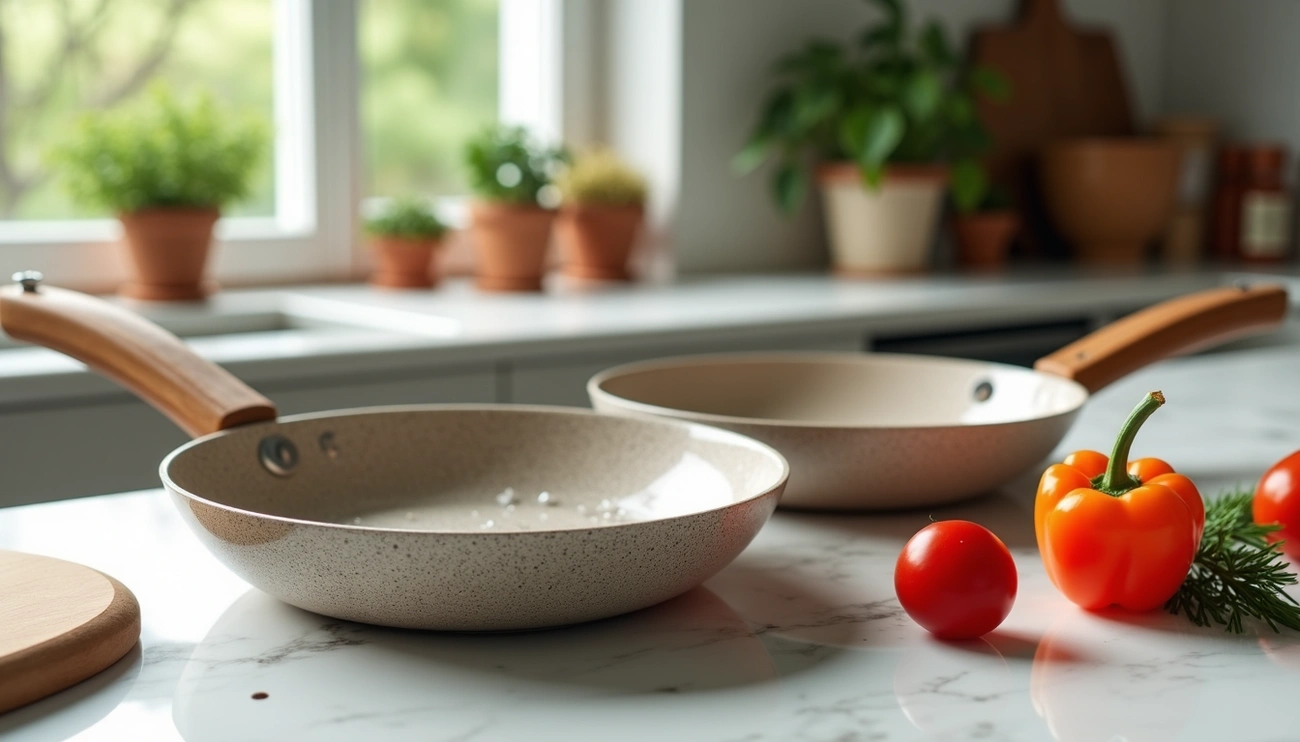
Lead contamination remains a significant concern with ceramic products. Testing has revealed that some Chinese-made ceramics can leach lead at levels up to 40-fold the acceptable FDA limits. Notably, the FDA has recognized China as a source of lead-contaminated ceramics since the 1980s. Modern ceramic-coated cookware raises additional concerns, as independent testing detected titanium dioxide nanoparticles that can migrate into food when scratched or damaged.
Is cast iron cookware made in China safe?
Generally, uncoated and properly seasoned Chinese cast iron is as safe as cast iron produced elsewhere. Nevertheless, some “pre-seasoned” Chinese cast iron uses FDA-approved baked-on paint rather than traditional vegetable oil seasoning. Once this paint begins chipping, the cookware should be discarded.
How coatings and glazes affect safety
Glazing applies a glass-like coating that must be properly fired at sufficient temperatures to bind potentially harmful elements. Ceramic glazes sometimes contain lead to facilitate melting and provide an attractive shine. Consequently, acidic foods and drinks are especially likely to cause lead leaching.
What to avoid in enamel and ceramic finishes
Avoid brightly colored ceramics, especially in red, orange or yellow, as these often contain lead-based pigments. Indeed, some Le Creuset models with reddish tones tested positive for lead and cadmium. Furthermore, steer clear of items with crude appearances, damaged surfaces, or those purchased from flea markets.
How to Choose Safe Cookware Regardless of Origin
Selecting safe cookware comes down to doing your homework—not merely avoiding products from specific countries. Safety standards vary widely among manufacturers within the same country, making third-party verification crucial.
Check for third-party safety certifications
Reputable safety certifications offer reassurance about cookware quality. Look for verification from organizations like SGS, which tests for heavy metal migration and chemical residues in food contact materials. NSF International directly tests cookware for chemical migration and durability, making their certification particularly valuable for consumer products. Other trusted testing laboratories include Intertek and TÜV Rheinland, which evaluate cookware for heavy metal leaching and coating integrity.
Look for transparency in materials and sourcing
Trustworthy manufacturers readily disclose their materials and testing results. Be wary of claims like “PFOA-free,” as this can be misleading—PFOA was phased out in 2016, yet products may contain other harmful PFAS chemicals. Instead, seek brands that publish third-party lab results showing their products are free from PFAS, lead, and cadmium.
Avoid cookware with vague or missing labels
Steer clear of cookware with unclear material descriptions. Many manufacturers shield their formulas behind confidential business information laws, making verification challenging. This lack of transparency should be considered a red flag.
Use California Prop 65 disclosures as a guide
California Proposition 65 requires warnings on products containing chemicals known to cause cancer or reproductive harm. While these warnings sometimes appear on safe products due to California’s stringent standards, they can help identify potentially problematic items. Moreover, companies willing to demonstrate compliance with Prop 65 often conduct more rigorous testing.
Conclusion
When considering cookware safety, country of origin matters less than manufacturing standards and quality control. Therefore, due diligence becomes essential rather than making blanket assumptions about Chinese-made products. Throughout this examination, we’ve seen that potential risks exist across different materials—from lead in ceramics to inferior grades of stainless steel.
Stainless steel quality varies dramatically depending on grade, with 304 (18/10) offering the best durability and safety profile compared to potentially problematic 201 grade steel. Similarly, ceramic cookware deserves scrutiny regardless of manufacturing location, especially items with bright colors that might contain lead-based pigments.
Most importantly, consumers should prioritize transparency from manufacturers. Brands willing to disclose their materials, submit to third-party testing, and provide certification demonstrate commitment to safety standards. This transparency matters far more than what country appears on the label.