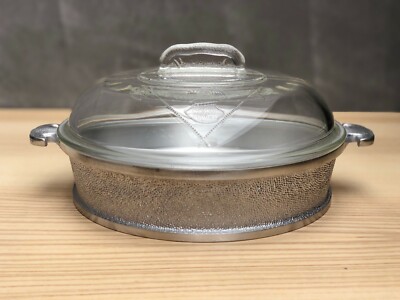
Yes, Guardian Service cookware is safe to use for most cooking because it features heavy-duty cast aluminum construction and even heat distribution. Produced from the 1930s to 1956, it remains durable and compatible with gas stoves. However, avoid cooking acidic foods in antique aluminum to reduce the risk of metal leaching.
Understanding Guardian Service Cookware
Guardian Service cookware represents a fascinating chapter in American culinary history. The distinctive hammered aluminum pots and pans with their triangular design and watertight domed lids tell a story of innovation, wartime adaptation, and post-Depression values.
Origin and manufacturing timeline
The story of Guardian Service begins in Chicago, where Century Metalcraft Corporation first manufactured Silver Seal cookware from 1933 to 1938. After relocating to Los Angeles in 1938, the company launched what would become their iconic brand – Guardian Service cookware.
Production continued until 1956, when a devastating fire destroyed the factory and marked the end of the brand. Initially, between 1935-1939, the cookware featured aluminum lids, but during World War II, glass lids were introduced as aluminum was diverted to war efforts.
The role of Century Metalcraft Corporation
Century Metalcraft positioned itself as a pioneer in cooking technology. Their tagline described Guardian Service as “the world’s finest combination cooking and table service equipment”.
Following Pearl Harbor, the company shifted “100%” to war production, contributing to America’s industrial triumph through their advanced smelting technologies and glass tempering processes.
After WWII ended, Century resumed Guardian Service production, experiencing boom years that produced most of the cookware still available today. In the late 1940s and 1950s, the company introduced additional lines including Savemaster and Presto Pride, eventually merging with National Presto.
Why it was popular in the 1930s-1950s
The popularity of Guardian Service cookware stemmed primarily from its innovative “waterless” cooking method. This approach, made possible by the domed, watertight lids, kept moisture contained within food. Moreover, the timing of its production coincided perfectly with post-Depression America’s hunger for home innovations that combined efficiency with good design.
Century Metalcraft skillfully tapped into the national mood, publishing ads warning mothers they were “duty-bound to preserve the vitamins lost in thoughtless, ignorant, outdated cooking”. Additionally, concepts like interchangeability and reliability resonated strongly with families who had endured the Great Depression (1929-1939). The cookware’s durability, quality construction, and reputation for enhancing food flavor further cemented its place in American kitchens.
Materials and Design Features
The distinctive hammered aluminum design makes Guardian Service cookware instantly recognizable in any kitchen collection. Cast from a special aluminum alloy, these pieces combine esthetic appeal with practical functionality that has stood the test of time.
Use of aluminum in cookware
Guardian Service utilized heavy-gage cast aluminum in their cookware production, taking advantage of aluminum’s excellent heat conduction properties. Aluminum conducts heat approximately 16 times more efficiently than stainless steel, allowing for responsive temperature control and even heat distribution.
The material’s lightweight nature compared to cast iron made it practical for everyday use while still providing substantial thermal mass. Notably, the cookware was manufactured using a casting process where molten aluminum was poured into specially designed molds, allowing for strategic variations in thickness to maximize cooking efficiency.
The waterless cooking method
Perhaps the most innovative aspect of Guardian Service cookware was its “waterless” cooking method. This technique, made possible by watertight, domed lids, preserved nutrients by cooking food in its own moisture.
As explained by the manufacturer, “when the amount of heat streaming into the pan from the burner equals the amount of heat radiating off the outside, your food cooks at its ideal temperature”. This method was not only healthier but remarkably economical during Depression-era cooking, requiring minimal heating energy whether gas or electric.
Transition from metal to glass lids
From 1935-1939, Guardian Service cookware featured aluminum lids. Yet, as World War II progressed, the company made a significant design change: they switched to glass lids. This transition was primarily due to the need to conserve aluminum for the war effort, demonstrating the company’s adaptability during challenging times.
Durability and weight of the cookware
The exceptional durability of Guardian Service pieces remains one of their defining characteristics. Many families continue to use their vintage cookware today, with some pieces remaining fully functional after over 50 years of regular use.
Although heavier than modern aluminum cookware, this weight contributes to their excellent heat retention and distribution properties. The quality construction is evident in their ability to withstand decades of use without significant deterioration – truly a testament to mid-century American manufacturing standards.
Is Guardian Service Cookware Safe to Use Today?
Many vintage cookware enthusiasts wonder: is Guardian Service cookware safe to use in modern kitchens? Since these pieces were manufactured between 1933 and 1956, first and foremost we need to examine both the material concerns and condition factors affecting safety.
Concerns about aluminum cookware
For decades, aluminum cookware has faced scrutiny about potential health risks. Despite historical concerns about a possible connection between aluminum and Alzheimer’s disease, both the Food and Drug Administration (FDA) and the Alzheimer’s Foundation confirm no link has been found between using aluminum utensils and the disease. In fact, the World Health Organization estimates we absorb less than 4% of the maximum safe dosage from cooking in aluminum utensils.
One legitimate concern remains: aluminum is a reactive metal. Consequently, acidic foods like tomatoes, citrus products, and sauerkraut should not be cooked in uncoated aluminum for extended periods as they can cause aluminum to leach into food. This may affect both food taste and potentially increase metal exposure.
Impact of age and wear on safety
Vintage Guardian Service cookware safety largely depends on its condition. Worn or pitted aluminum pots and pans can transfer aluminum to food more easily. Furthermore, severely worn vintage aluminum utensils might leave behind toxic metals after cooking.
Some studies have found artisanal aluminum cookware made from scrap metal can release significant quantities of lead. Nevertheless, properly manufactured Guardian Service pieces typically don’t contain these contaminants unless severely damaged.
How to inspect for damage or corrosion
Examine your Guardian Service pieces carefully for:
- Pitting or flaking on the cooking surface
- Deep scratches that penetrate the surface
- Warping that prevents lids from sealing properly
- Discoloration that doesn’t clean with gentle methods
At-home lead test kits can provide additional peace of mind if you’re uncertain about your cookware’s safety.
Tips for safe modern usage
To safely use Guardian Service cookware today:
- Avoid cooking or storing acidic foods (tomatoes, citrus)
- Hand wash with mild detergent and soft cloth to prevent scratches
- Use non-metal utensils to protect the surface
- Cook on low to medium heat to preserve the cookware
- Never clean in dishwashers as this will irreparably damage the surface
For discoloration, try a solution of two tablespoons cream of tartar to one quart of water. Through proper care and inspection, these vintage pieces can remain both collectible treasures and functional kitchen tools.
Current Value and Collectibility
Vintage Guardian Service cookware holds considerable appeal among collectors and cooking enthusiasts alike. Original price points were substantial even in their day—equivalent to about a month’s rent—which explains their current market position.
Guardian service cookware value guide
A complete set of Guardian Service cookware commands approximately $2,500 today. Yet individual pieces remain remarkably accessible. Most standard pieces typically sell between $35-$75, with some basic items available for as little as $15-$30. Certain rare pieces, such as the Guardian ice bucket from the 1940s, can sometimes be found for around $55. Primarily, collectors should note that prices have increased roughly 30% over a recent two-year period.
Factors that affect resale value
Several elements determine what your Guardian Service pieces might fetch on today’s market. First, age significantly impacts value—pre-1940 pieces featuring original aluminum lids generally command premium prices versus later models with glass lids. Secondly, condition remains crucial; pieces with “nice patina” sell better than heavily used items. Finally, completeness matters tremendously; matched sets with original lids consistently outperform orphaned pieces.
Where to buy or sell vintage pieces
Currently, eBay hosts thousands of Guardian Service listings, offering everything from individual pieces to complete sets. Etsy likewise presents numerous options. Beyond online marketplaces, antique malls often yield unexpected treasures at reasonable prices.
Conclusion
Guardian Service cookware certainly stands as a testament to mid-20th century American craftsmanship and innovation. Throughout this exploration, we’ve discovered how these distinctive hammered aluminum pieces blend historical significance with practical functionality. Though originally manufactured between 1933 and 1956, many Guardian Service pots and pans remain serviceable today when properly maintained.
Safety concerns about aluminum cookware have largely been debunked. Scientific research has failed to establish any connection between aluminum cookware and Alzheimer’s disease. Still, caution remains advisable when cooking acidic foods, which can cause aluminum to leach into meals. Before using vintage Guardian pieces, carefully inspect them for damage, pitting, or excessive wear that might compromise their safety.
Proper care significantly extends the life and safety of these vintage treasures. Hand washing with mild detergent, avoiding metal utensils, and cooking on low to medium heat will preserve both their functionality and collectible value. Additionally, storing acidic foods in other containers will prevent potential reactions with the aluminum surface.