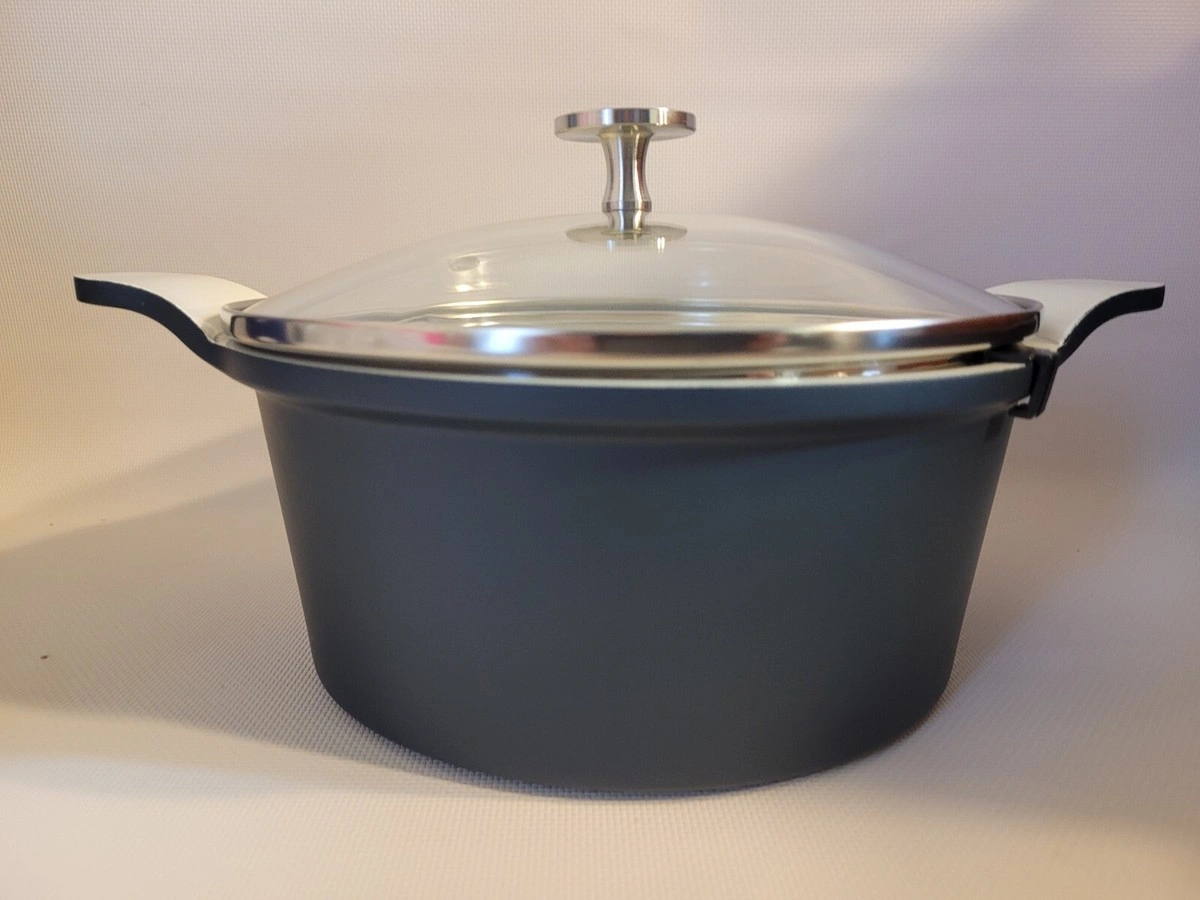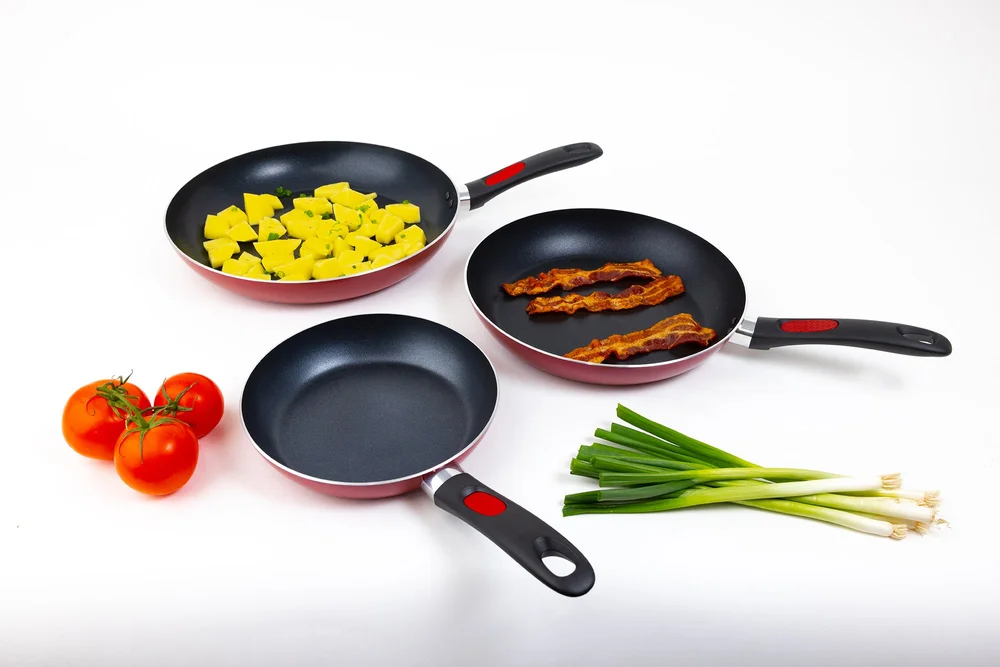
Yes, Mirro cookware is safe. It is made with either PTFE or ceramic non-stick coatings. Ceramic non-stick is considered one of the safest cookware coatings. PTFE-based non-stick coatings are also safe when used properly and not overheated. When cooking below 500°F, PTFE-coated Mirro cookware is safe to use. Mirro cookware is dishwasher-safe and oven-safe up to 350°F. Overall, Mirro cookware is a safe option for everyday cooking.
Is Mirro Cookware Safe
Here are some safe and unsafe aspects of Mirro cookware. So that easily identify if this cookware is safe or not.
Safe Aspects
- The cookware is made of aluminum, stainless steel or enameled cast iron.
- The Non-stick coating are made of ceramic non-stick
- PFOA and Lead free.
- Dishwasher safe
- Oven safe up to 350°F
- Didn’t leach any harmful chemicals
- The handle are made of silicone to ensure soft grip on hands.
Unsafe Aspects
- Overheating isn’t safe
- Metal utensils isn’t safe
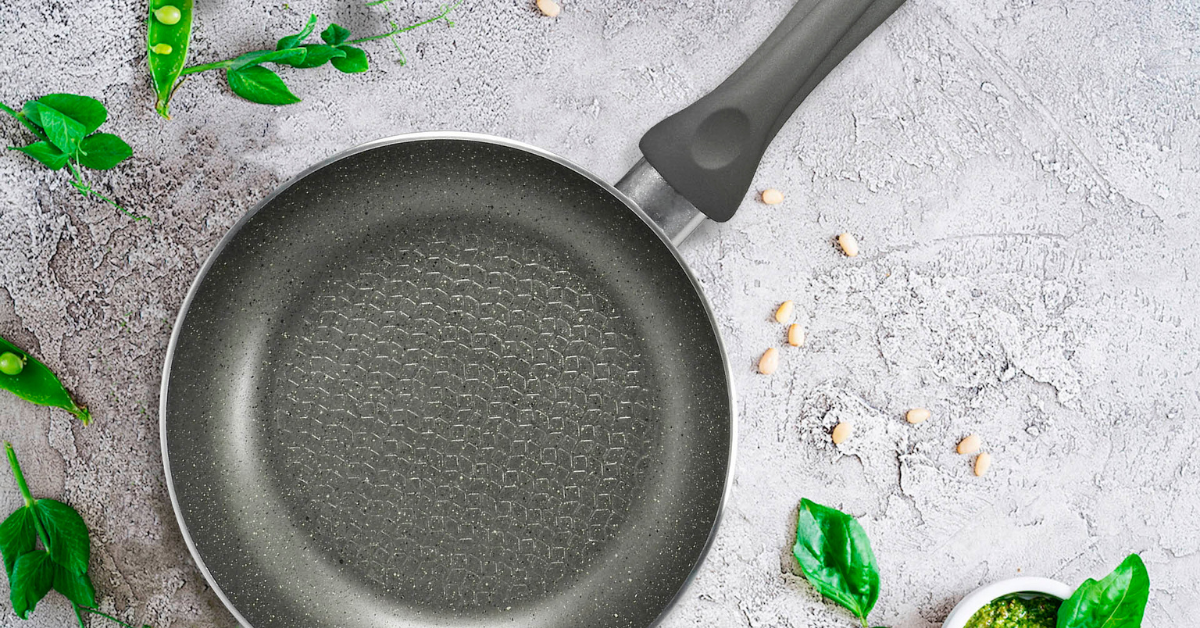
Is Mirro nonstick cookware safe?
Mirro nonstick cookware is generally considered safe for everyday cooking. It uses coatings designed to prevent food from sticking and reduces the need for oils or fats.
However, it’s important to avoid overheating nonstick pans above recommended temperatures. High heat can damage the coating and release harmful fumes. Use medium heat for best results.
Does Mirro cookware leach aluminum?
Mirro cookware is made mostly of aluminum, which can leach small amounts of aluminum into food, especially with acidic foods. This leaching is usually very minimal and not harmful for most people.
To reduce aluminum exposure, use cookware with a nonstick or anodized coating. These layers help keep aluminum from touching food directly and reduce leaching risk.
Is vintage Mirro cookware safe?
Vintage Mirro cookware can be safe if it’s in good condition and clean. Older pieces may lack modern coatings, so be cautious when cooking acidic or salty foods in them.
Inspect vintage cookware for damage like scratches or corrosion. If well maintained, it can still be used safely, but avoid overheating or using damaged pieces.
Is old Mirro cookware safe?
Old Mirro cookware is generally safe if it shows no signs of wear or damage. Over time, nonstick coatings can wear off, which may reduce safety and performance.
If the cookware has scratches or peeling, it’s best to replace it. Using old cookware carefully and cleaning it properly helps maintain safety.
Does aluminum cookware cause Alzheimer’s?
There is no strong scientific proof linking aluminum cookware to Alzheimer’s disease. Researchers have studied this concern but found no clear evidence that normal aluminum exposure causes the illness.
Using aluminum cookware is considered safe for daily use. If worried, you can use anodized or coated aluminum pans to lessen direct contact between food and metal.
Is Mirro cookware PFOA-free?
Most Mirro nonstick cookware made in recent years is PFOA-free. PFOA is a chemical once used in making nonstick coatings but has been phased out due to health concerns.
Always check the product details or packaging to confirm if a specific Mirro pan is PFOA-free. This ensures safer cooking without harmful chemicals.
Does Mirro cookware contain PTFE?
Yes, many Mirro nonstick pans use PTFE-based coatings for their nonstick properties. PTFE is common in nonstick cookware and considered safe below high temperatures.
Avoid heating PTFE-coated pans above 500°F (260°C) to prevent breakdown of the coating and possible release of toxic fumes. Use medium heat for safety.
Is Mirro cookware PFAS-free?
Mirro nonstick cookware may contain PFAS because PTFE is a type of PFAS chemical. PFAS are a group of chemicals used for nonstick and water-resistant properties in cookware.
If you want PFAS-free cookware, look for ceramic or other alternative coatings not based on fluoropolymers. Read labels to be sure about the materials used.
Is Mirro cookware lead-free?
Mirro cookware is generally lead-free and meets safety standards for consumer products. Lead is not used in modern cookware manufacturing because it’s toxic and unsafe for food contact.
If you buy older or vintage pieces, verify they don’t have any lead-containing parts, especially painted or decorated surfaces, to ensure full safety.
Is Mirro cookware safe for acidic foods?
Mirro aluminum cookware may react with acidic foods like tomatoes or vinegar, causing slight changes in taste and possible metal leaching. Coated or anodized versions handle acids better.
To cook acidic dishes safely, use nonstick or anodized Mirro pans. Avoid prolonged cooking of acidic foods in plain aluminum to reduce reactions and preserve flavor.
Is scratched Mirro cookware safe?
Scratched Mirro nonstick cookware can be less safe because the coating may flake off into food. Small amounts are unlikely harmful but not ideal for cooking quality or health.
If scratches are deep or widespread, replace the pan to avoid ingesting coating particles and to maintain even cooking performance and safety.
Is Mirro cookware FDA approved?
Mirro cookware materials comply with FDA regulations for food contact safety. The FDA sets strict rules to ensure kitchen products do not release harmful substances into food.
However, the FDA does not “approve” specific brands but regulates materials used in manufacturing to ensure general safety standards are met.
Is Mirro cookware toxic?
Mirro cookware is not toxic when used properly according to instructions. It uses common materials like aluminum and nonstick coatings that are safe under normal cooking conditions.
Overheating or damaging the pans can cause toxic fumes or coating particles to release, so handle with care and avoid high heat to keep cooking safe.
Is Mirro cookware safe on high heat?
Mirro nonstick pans should not be used on very high heat because excessive temperatures can damage the coating and release harmful fumes. Medium heat is recommended instead.
For high-heat cooking, consider uncoated aluminum or stainless steel versions of Mirro cookware that tolerate higher temperatures without damage.
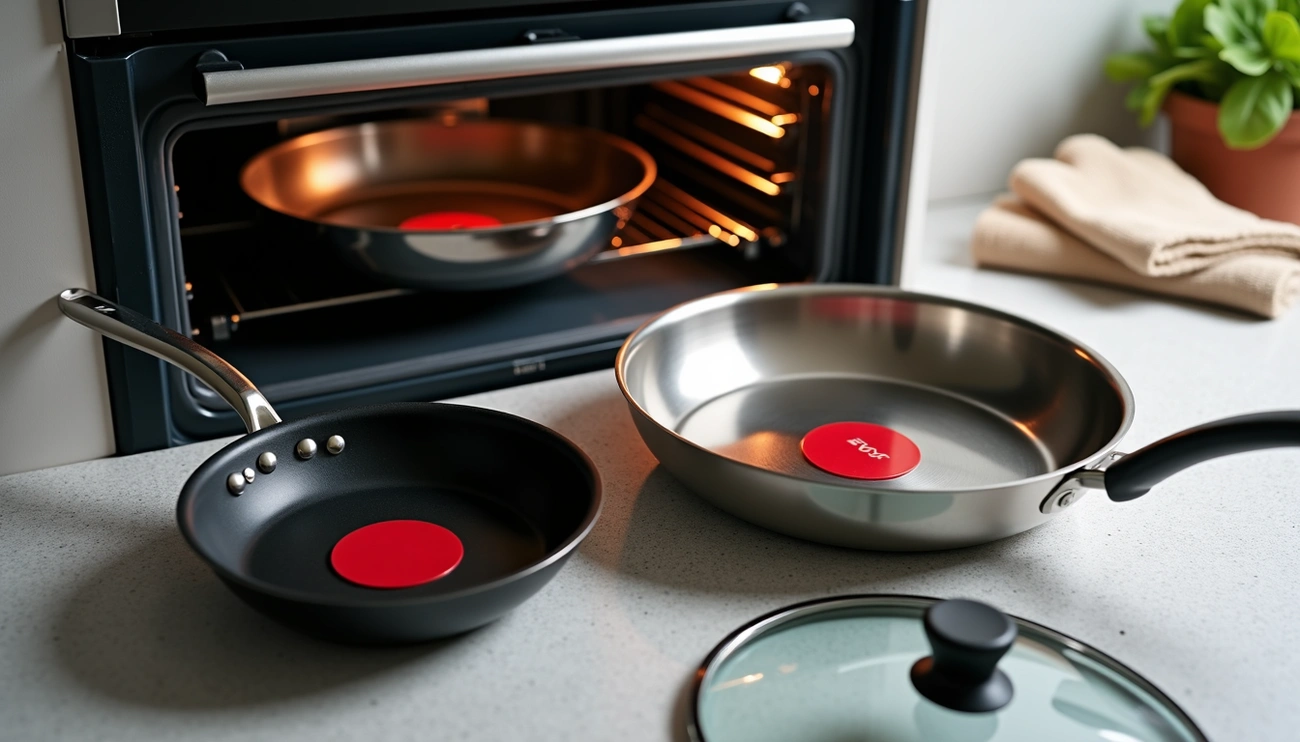
Is Mirro cookware oven safe?
Some Mirro cookware models are oven safe, but it depends on the specific pan and its handle material. Always check manufacturer instructions before placing in the oven.
Nonstick coatings may limit the maximum oven temperature allowed, often around 350°F to 400°F (175°C to 200°C). Avoid exposing plastic handles to oven heat.
Is Mirro cookware dishwasher safe?
Many Mirro pans claim dishwasher safety but hand washing is recommended to preserve the coating longer. Dishwashers can wear down nonstick surfaces over time.
Using mild detergent and soft sponges protects the finish better than harsh dishwasher cycles or abrasive cleaners, helping maintain performance and lifespan.
Is Mirro cookware safe for health?
Mirro cookware is generally safe for health when used correctly with moderate heat and proper care. It meets safety standards for food contact materials in most cases.
Avoid overheating and replacing worn-out pans helps keep cooking safe and prevents exposure to damaged coatings or metals during meal preparation.
Is anodized Mirro cookware safe?
Anodized Mirro cookware is safe because anodizing creates a hard, non-reactive surface on aluminum that resists scratching and leaching into food.
This type of cookware works well with acidic foods and high heat, offering durability and safety compared to bare aluminum pans without coatings or treatments.
Conclusion
Mirro cookware offers a variety of options that are generally safe for everyday cooking when used properly. Choosing the right type, such as anodized or nonstick with PFOA-free coatings, helps reduce health risks and improves cooking performance.
Proper care, like avoiding high heat, hand washing, and replacing damaged pans, ensures your Mirro cookware stays safe and lasts longer. Always check product details to match your cooking needs and maintain good kitchen safety.