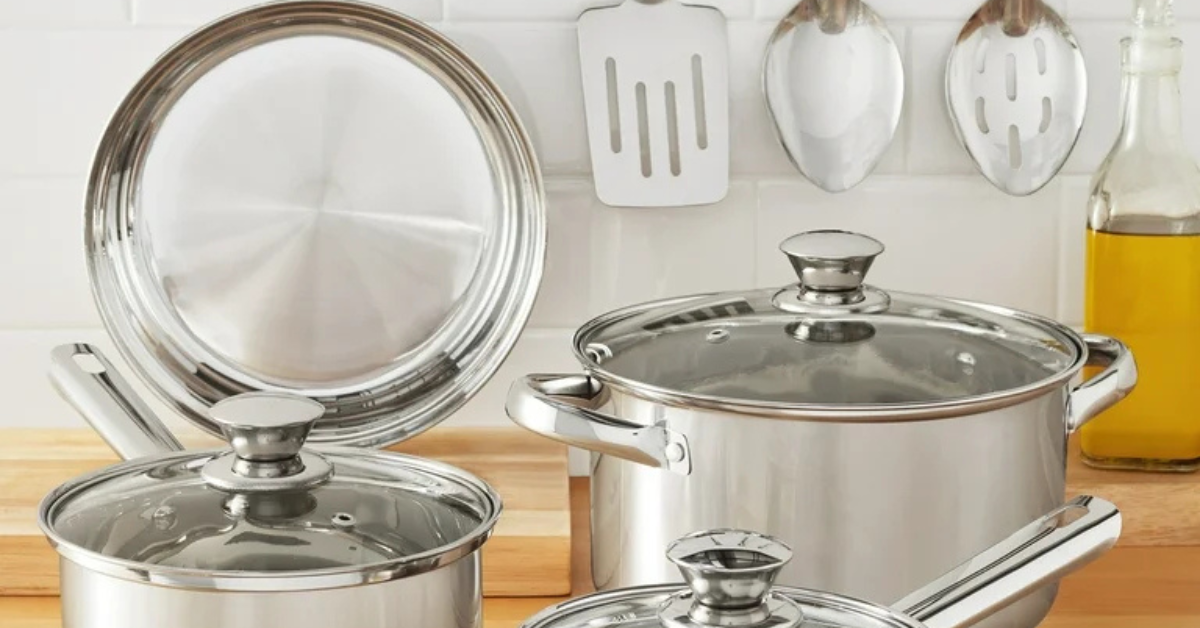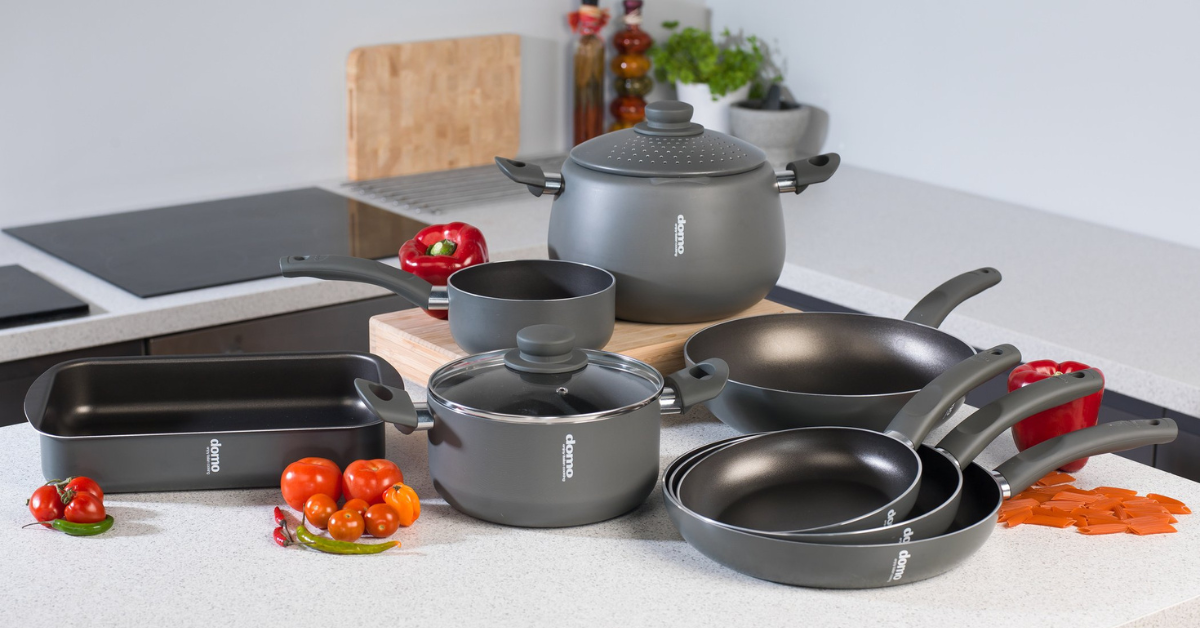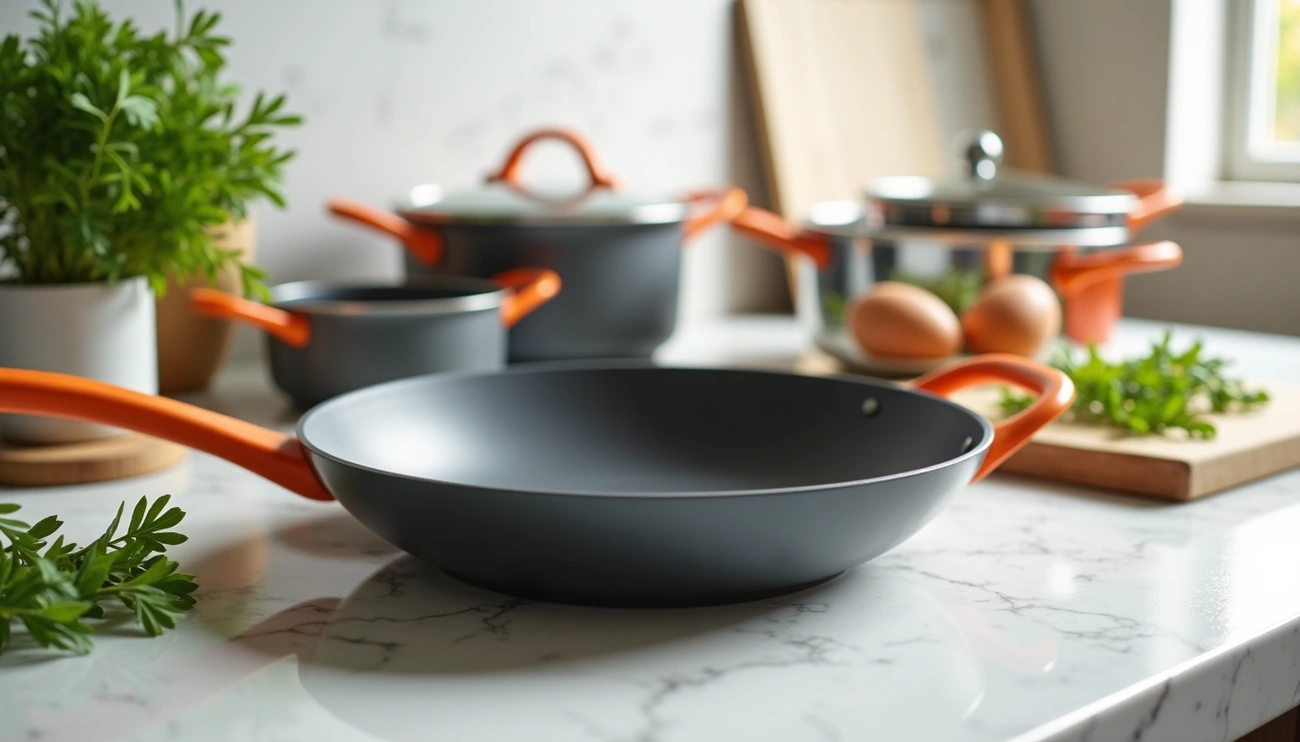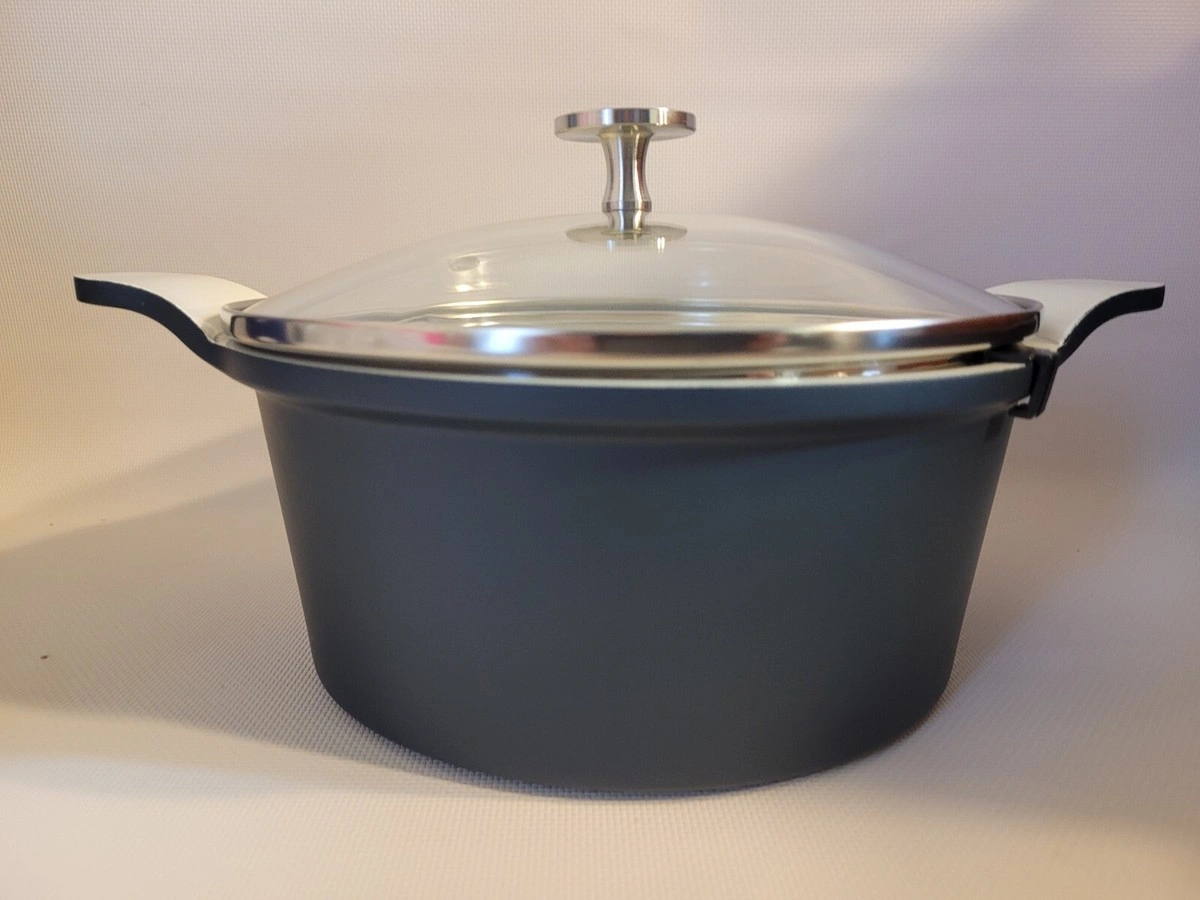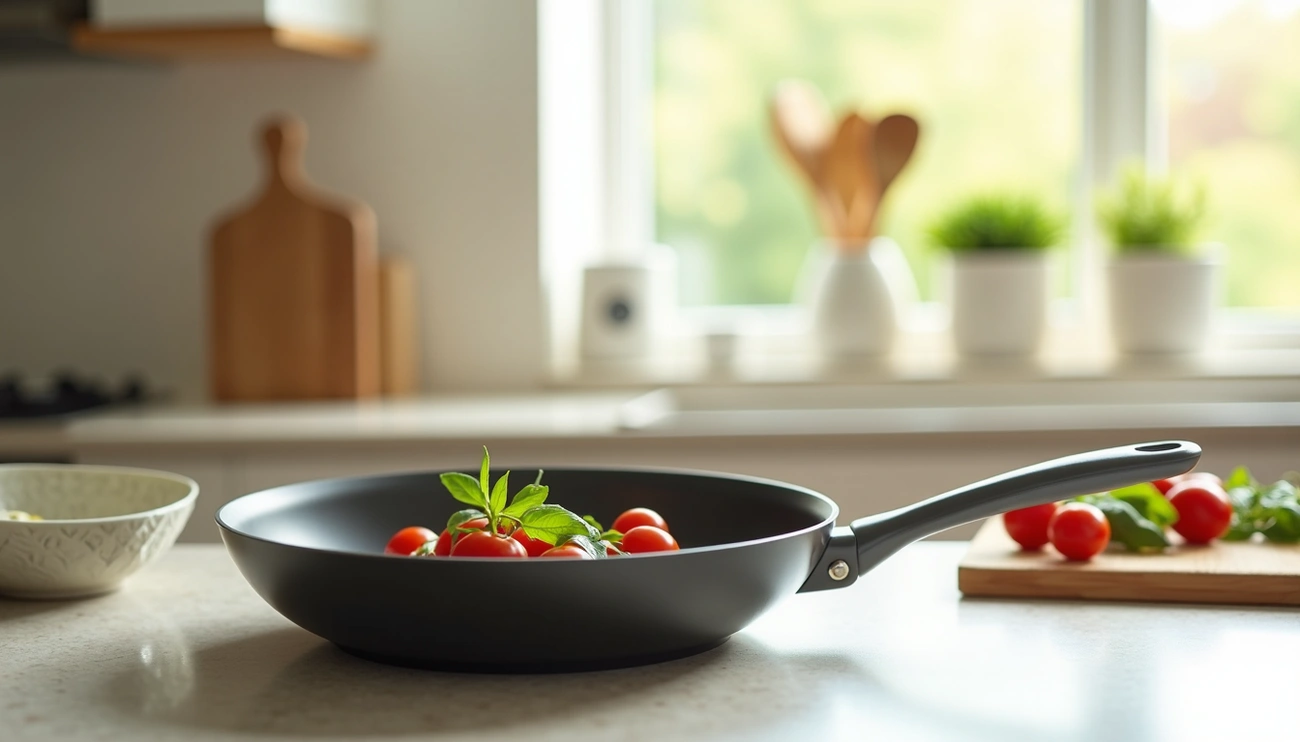
Pyrolux cookware is safe because it features PFOA-free, non-toxic non-stick coatings such as Ilag Xeradur ceramic and Quantanium reinforced stone. Pyrolux pans support low-oil cooking, work on all cooktops including induction, and are oven-safe up to approximately 180–240°C, depending on the range.
What is Pyrolux Cookware?
Pyrolux manufactures three distinct cookware lines, each designed with different materials and cooking needs in mind. Understanding these differences helps answer whether Pyrolux cookware is safe for your kitchen.
Pyrolux Pyrostone (Aluminum Non-stick)
Pyrostone represents Pyrolux’s aluminum non-stick line. The cookware features forged aluminum construction with a stone line finish and a three-layer non-stick surface. This coating is PFOA-free, addressing one common concern about whether non stick pans are safe.
The Pyrostone line works on all cooktops, including induction, and handles oven temperatures up to 180°C. The forged aluminum base distributes heat evenly across the cooking surface, whereas the soft-touch ergonomic handles stay cooler during stovetop use. Hand washing is recommended to extend the non-stick coating’s lifespan, though the pans are dishwasher safe.
Pyrolux Pyrocast (Cast Iron)
Pyrocast cookware takes a different approach with heavy-duty cast iron construction. Cast iron retains heat at high temperatures, making these pans suitable for searing, sautéing, and grilling. The material itself contains no synthetic coatings, which eliminates questions about is PTFE toxic or are Teflon pans safe.
Each piece comes pre-seasoned with a black patina to prevent rusting. You can use Pyrocast on induction, ceramic, electric, gas, grills, and even campfires. The versatility extends to the kitchen and outdoors equally. Cast iron requires different care than non-stick aluminum: hand washing with hot water and a nylon brush, followed by thorough drying and a light oil coating.
Pyrolux Ignite (Stainless Steel)
The Ignite line combines forged aluminum construction with riveted stainless steel handles. What sets this line apart is the Whitford USA Quantanium non-stick coating, which is both PFOA and BPA free. This addresses concerns about is Teflon bad for you, as the coating uses a different formulation.
Ignite cookware handles higher oven temperatures than Pyrostone. Pan bodies withstand up to 240°C, while lids are oven proof to 180°C. The induction base technology provides efficient heating without hotspots. In the same fashion as Pyrostone, Ignite works on all cooktop types and includes tempered glass lids with steam vents. The stainless steel handles offer superior strength compared to other materials in the Pyrolux range.
Understanding Non-Stick Coating Safety Concerns
The chemistry behind non-stick coatings raises legitimate safety questions that affect whether Pyrolux cookware is safe for daily use.
What is PTFE and is Teflon safe?
PTFE (polytetrafluoroethylene) is a synthetic polymer created from carbon and fluorine atoms. Teflon is simply a brand name for this same chemical compound. The coating creates a non-reactive, nearly frictionless surface that prevents food from sticking.
At normal cooking temperatures, PTFE remains stable and poses no health risk. The FDA approves PTFE-coated cookware as safe food processing equipment. Problems arise only when pans overheat beyond recommended temperatures.
Are PFAS chemicals harmful?
PFAS (per- and polyfluoroalkyl substances) include over 10,000 chemicals containing fully fluorinated carbon atoms. The carbon-fluorine bond is the strongest chemical bond known, which makes these substances nearly indestructible in nature.
According to the EPA, no safe level of PFAS exposure exists. Studies link PFAS to kidney and testicular cancers, thyroid disease, liver damage, reduced fertility, and pregnancy complications. These chemicals accumulate in human blood, liver, and kidneys because the body cannot metabolize them. Over 97% of the US population has detectable PFAS blood levels.
Is PTFE toxic to humans?
PTFE itself is non-toxic when ingested. Flaked particles pass through your digestive system without causing harm. Toxicity concerns center on fumes released when PTFE breaks down at high temperatures.
What temperature does non-stick coating break down?
PTFE coatings begin breaking down above 260°C (500°F). At this threshold, the coating releases toxic fumes that cause polymer fume fever. Symptoms include chills, fever, headache, and body aches that develop 4-10 hours after exposure. Above 350°C, the coating releases gasses that can be lethal in extreme cases.
Is Pyrolux Cookware Safe to Use?
Are Pyrolux pans PFOA-free?
All current Pyrolux non-stick cookware is PFOA-free. The EPA launched the PFOA Stewardship Program in 2006, working with eight major companies to eliminate PFOA by 2015. PFOA was officially banned from US non-stick production in 2013, meaning any Pyrolux cookware manufactured from 2014 onward contains no PFOA.
PFOA was never an ingredient in finished products. Manufacturers used it during the production process and removed it before sale. Be that as it may, trace amounts sometimes remained in older cookware. Pyrolux’s Pyrostone, Ignite, and NEXGEN lines all feature PFOA-free coatings[151].
Safety of Pyrolux Pyrostone non-stick coating
Pyrostone non-stick pans are safe when you keep temperatures below 260°C. The three-layer PTFE coating remains stable at normal cooking temperatures. PTFE doesn’t dissolve in water and your body won’t absorb it if ingested. Australian regulators don’t consider PTFE a health concern.
The coating only becomes problematic when heated past its breakdown point. In particular, most cooking oils smoke before reaching 260°C, providing a natural safety indicator.
Safety of Pyrolux Pyrocast cast iron
Pyrocast eliminates non-stick coating concerns entirely. Cast iron contains no synthetic materials, PTFE, or PFAS chemicals. The pre-seasoned surface comes from polymerized oil, not chemical compounds. You’re cooking on iron and natural seasoning, which poses no toxicity risks.
Can you use scratched Pyrolux pans safely?
Scratched non-stick pans release thousands to millions of microplastics and nanoplastics into food. Replace any Pyrolux pan when the coating shows scratches, cracks, bubbles, or when food starts sticking. Pans manufactured before 2015 warrant particular caution, as they may contain legacy PFAS.
Even though ingested PTFE flakes pass through your system harmlessly, damaged coatings compromise the pan’s performance and may expose you to degraded materials. When your non-stick surface fails, it’s time for replacement.
How to Use Pyrolux Cookware Safely
Proper usage extends the life of Pyrolux cookware and prevents safety issues.
Recommended cooking temperatures
Cook Pyrolux Pyrostone on low to medium heat for most applications. High heat should only be used for short-term searing or browning. The pans are oven safe up to 180°C. Never allow cookware to boil dry, and don’t let the heat source extend beyond the pan’s base.
Best utensils to use with Pyrolux
Protect the non-stick surface by using wooden, nylon, or silicone utensils. Metal utensils scratch the coating and compromise its integrity. Avoid cutting food directly in the pan. Silicone handles heat up to 600°F without melting, whereas nylon can warp at high temperatures.
Proper cleaning and maintenance
Hand wash Pyrolux pans in warm soapy water with a soft sponge. Allow the pan to cool completely before washing to prevent warping. For sticky residue, simmer water in the pan and clean with a soft sponge. If non-stick properties diminish, apply a light coating of oil with a paper towel over the cooking surface.
When to replace your Pyrolux cookware
Replace nonstick cookware every 3 to 5 years. Signs demanding immediate replacement include scratched or chipped coating, rust, dark discoloration, or food sticking to the surface. Replace pans manufactured before 2015, as they may contain PFOA.
Conclusion
Pyrolux cookware is safe when you follow basic precautions. Keep temperatures below 260°C, use proper utensils to avoid scratches, and replace pans every 3-5 years or when the coating shows damage. All current Pyrolux lines are PFOA-free, which eliminates one major concern about non-stick cookware.
If you prefer avoiding PTFE entirely, Pyrocast cast iron offers a chemical-free alternative. Otherwise, stick to low-to-medium heat and you’ll enjoy safe, affordable cooking for years.