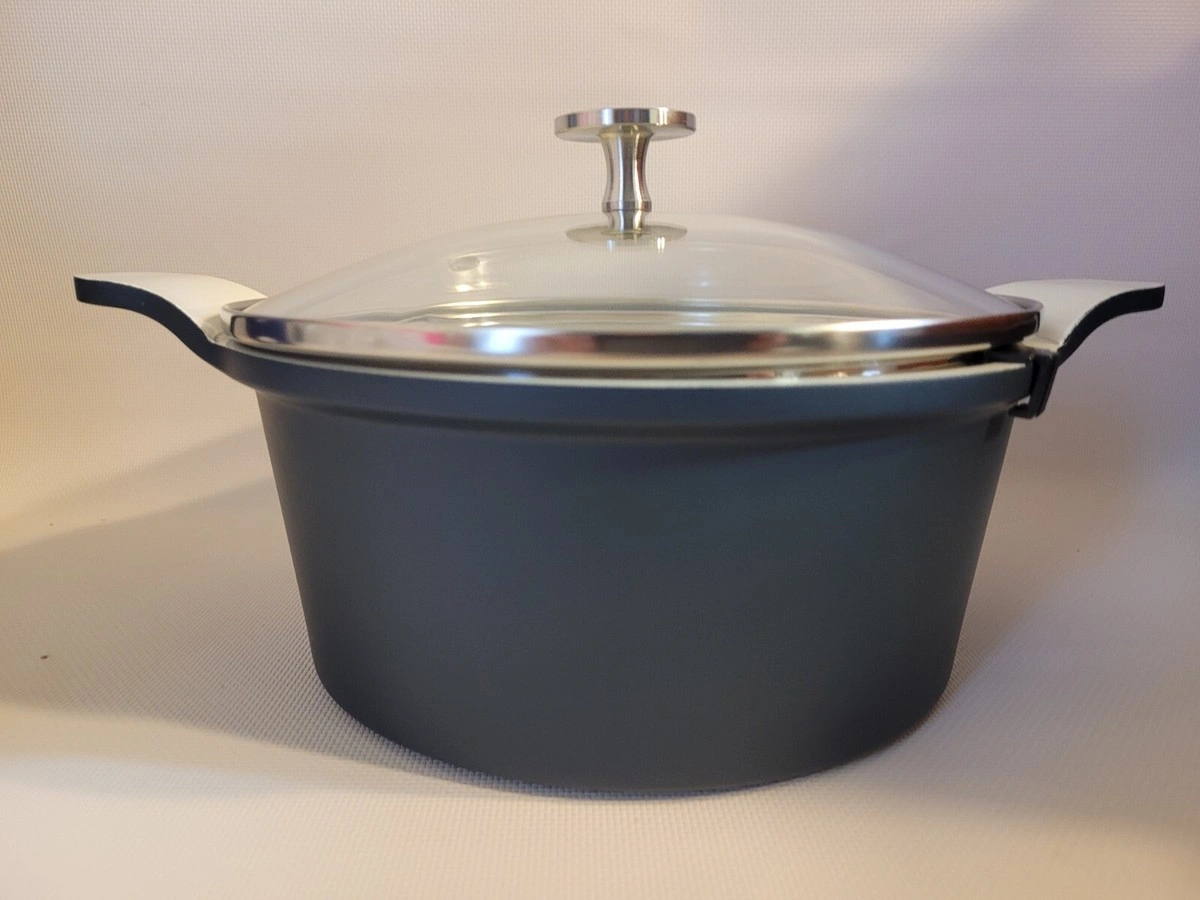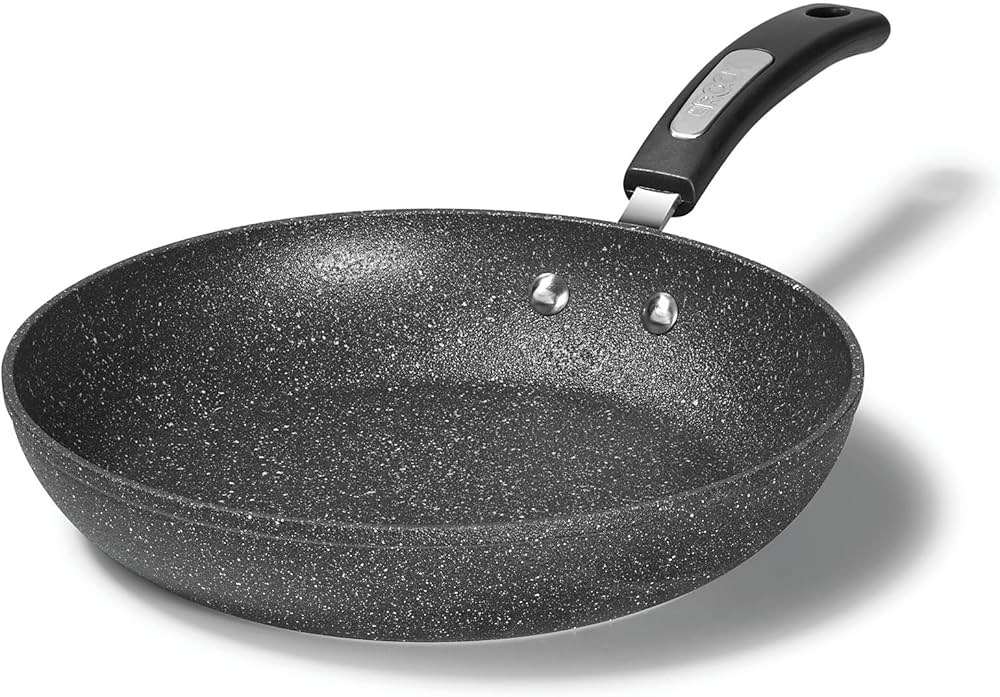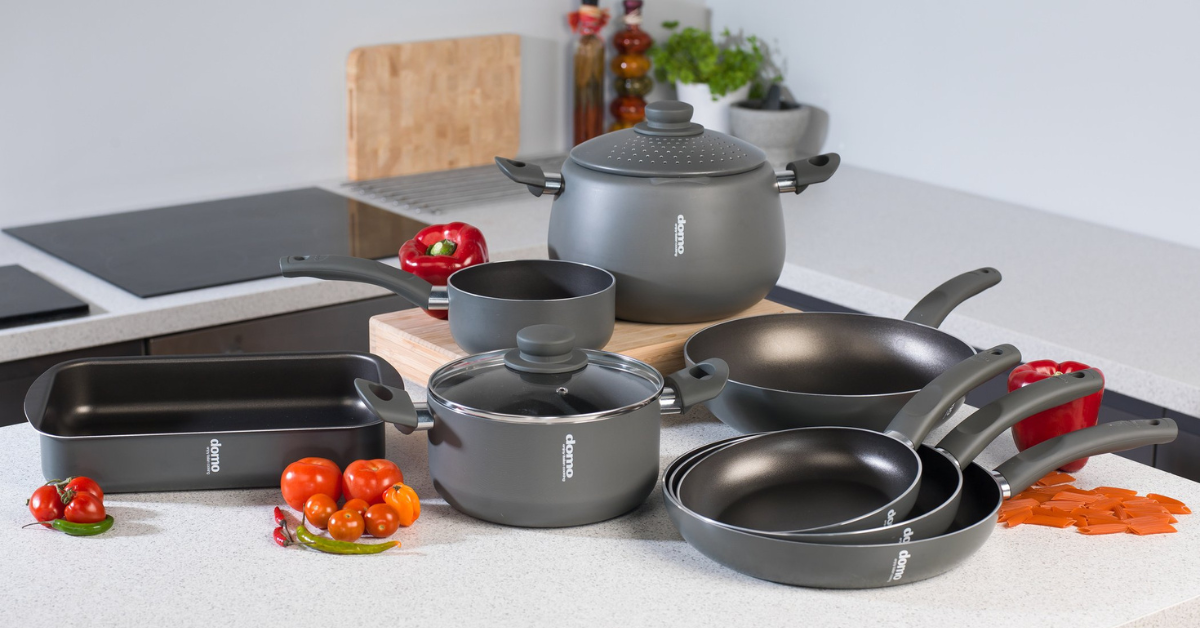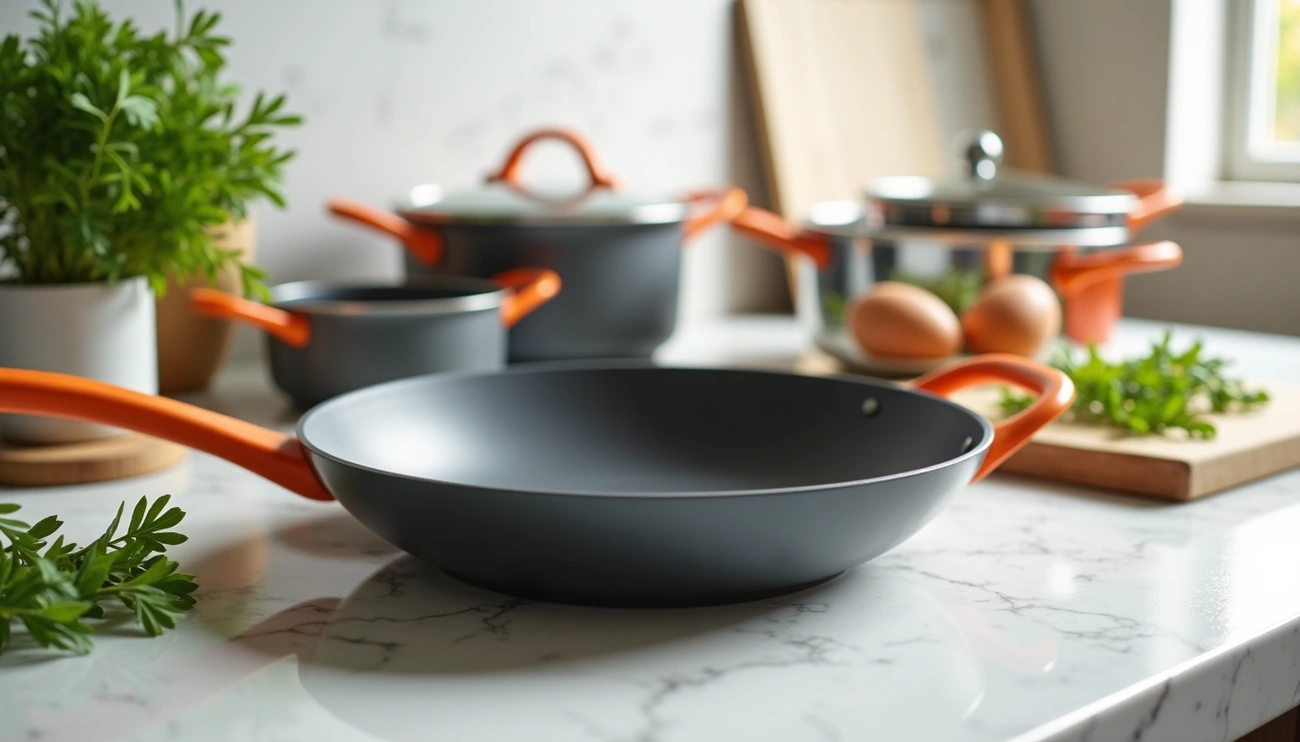
Rachael Ray cookware is safe because it uses PFOA-free nonstick coatings that meet FDA and EU food safety standards. Most lines are oven-safe up to 400°F–500°F, depending on the collection. Use low to medium heat to protect the nonstick surface and extend cookware lifespan.
Are Rachael Ray pans safe to use daily?
Many home cooks question the daily safety of their nonstick cookware. Rachael Ray’s popular pans sit squarely in this debate, with consumers needing clarity on what they’re bringing into their kitchens.
Common user concerns about nonstick cookware
The primary worry among cookware users involves chemical exposure. Most nonstick pans contain PFAS (per- and polyfluoroalkyl substances) – also called “forever chemicals” because they persist in the environment and accumulate in our bodies over time. Studies link higher PFAS exposure to various health issues including cancer, infertility, immune system dysfunction, and liver disease.
Another significant concern is what happens as pans age. Once nonstick surfaces begin to degrade, they can shed plastic particles that potentially enter food. Though manufacturers dispute this risk, recent research suggests nonstick coatings do increase human plastic ingestion.
Additionally, overheating poses a recognized hazard. When PTFE (polytetrafluoroethylene) coatings reach high temperatures, they release fumes so toxic they can kill small birds and cause “Teflon flu” symptoms in humans.
How Rachael Ray cookware addresses these concerns
Rachael Ray’s standard nonstick cookware line is PFOA-free and manufactured to comply with FDA and EU regulations for food contact safety. The company states these products are “non-toxic, do not leach chemicals, and are safe for everyday consumer use”.
For those seeking even more peace of mind, Rachael Ray recently introduced a ceramic cookware line made without PTFE or forever chemicals. The company explicitly states: “No forever chemicals here, just peace of mind”. This ceramic option provides easy food release while prioritizing family safety.
Regarding durability, the Rachael Ray nonstick 10-piece set demonstrated good scratch resistance during testing, withstanding up to 2,000 strokes with steel wool on the pan’s surface. This simulates everyday wear from metal utensils and abrasive cleaners.
To maximize safety with any Rachael Ray cookware, consumers should:
- Keep temperatures at low to medium heat (especially with the ceramic line)
- Avoid empty pan preheating
- Use appropriate utensils (avoid metal on nonstick surfaces)
- Discard pans once they show significant surface degradation
Breaking down the safety features
Let’s examine the specific safety features that make Rachael Ray cookware popular among home cooks.
Nonstick coating: Is it safe?
Rachael Ray stands firmly behind their nonstick coatings, which are manufactured to comply with both FDA and EU regulations for food contact safety standards. Most collections contain fluoropolymers like PTFE (similar to Teflon), FEP, PFA, and other PFAS substances. For those concerned about gluten cross-contamination, the nonstick surface is generally safe, although the company recommends avoiding metal utensils to prevent scratches that could trap food particles.
Handle design and heat resistance
Safety extends beyond chemical composition to practical features like handles. Consumer testing shows Rachael Ray handles scored “excellent” for temperature resistance during stovetop use, remaining cool enough to touch without potholders. Many collections feature silicone-wrapped or rubberized handles with dual rivets for enhanced durability and comfort. Nevertheless, the handle sturdiness scored only “fair” in resistance tests to bending or breaking.
Oven and dishwasher safety
Oven temperature tolerance varies significantly between collections:
- Classic Brights collection: 350°F maximum
- Create Delicious aluminum sets: 400°F (350°F for lids)
- Professional stainless steel: 500°F
- Cast iron pieces: 500°F
Regarding dishwasher compatibility, several collections including Cucina Ceramic and Professional stainless steel are explicitly labeled dishwasher-safe, whereas other collections like Create Delicious require hand washing to preserve the nonstick coating’s longevity.
Is Rachael Ray cookware safe to use on all stovetops?
Not all Rachael Ray cookware works universally on all stovetops. Specifically, the Cucina and Classic Brights collections are incompatible with induction cooktops. Fortunately, newer lines like Create Delicious featuring PlatinumShield Technology include induction-compatible bases. These induction-ready pans incorporate stainless steel bases while maintaining the brand’s signature nonstick performance and colorful esthetic.
Toxic or not? What the materials tell us
The chemical composition of cookware determines its safety profile more than any other factor. Digging into what’s actually in Rachael Ray pans reveals important distinctions between marketing claims and scientific realities.
Is Rachael Ray cookware non toxic?
The answer depends entirely on which collection you’re examining. Rachael Ray’s standard nonstick lines contain intentionally added PFAS (per- and polyfluoroalkyl substances) for their nonstick properties. The company openly discloses that many products contain “Fluoropolymer, PTFE, FEP, PFA (PFAS)”. These products comply with FDA and EU food contact safety standards, yet this compliance doesn’t necessarily mean they’re free from all health concerns.
For those seeking alternatives, Rachael Ray’s newer Cucina Ceramic line is marketed as “made without PTFE or forever chemicals”. The company states this ceramic collection is designed to “keep your family safe” while maintaining nonstick properties.
PTFE, PFOA, and other chemicals explained
PTFE (polytetrafluoroethylene) forms the basis of most nonstick coatings. According to manufacturer claims, properly used PTFE cookware is safe for everyday use. Yet concerns arise from two scenarios: manufacturing impacts and degradation over time.
Manufacturing PTFE is “a very messy and dirty process” that creates pollution in production communities. Furthermore, as pans age, the coating can flake off or degrade into PFAS-laden microplastics that potentially enter food.
Health concerns associated with PFAS exposure include cancer, hormone disruption, reduced fertility, liver disease, and immune suppression. Notably, when overheated, PTFE releases fumes that manufacturers warn can kill pet birds and cause “Teflon flu” in humans.
Which collections are safest?
Based strictly on material composition, the Cucina Ceramic collection presents the safest option. Its PTFE-free design eliminates many concerns associated with traditional nonstick cookware. The ceramic surface provides nonstick properties without forever chemicals, essentially offering peace of mind for health-conscious consumers.
Conversely, the Cook + Create collection and other PTFE-containing lines require more careful handling. For these collections, safety depends on proper use: avoiding high heat, discarding scratched pans, and using appropriate utensils.
Expert verdict: Is Rachael Ray cookware worth it?
After examining Rachael Ray cookware’s performance data and safety profile, my expert verdict brings clarity on whether this popular brand deserves a place in your kitchen.
Performance vs. safety trade-offs
Rachael Ray cookware delivers impressive performance in key areas. Consumer Reports testing shows excellent cooking evenness across surfaces and outstanding food release capabilities. The cookware also excels at keeping handles cool during stovetop use and offers good simmering performance.
Nevertheless, these benefits come with considerations. Most collections contain PTFE (Teflon-like) coatings that raise legitimate health concerns when damaged or overheated. Meanwhile, durability testing reveals only “fair” handle sturdiness under pressure.
How it compares to ceramic and stainless steel options
Competing ceramic options like Caraway provide PTFE-free cooking with excellent heat distribution and food release. Similarly, quality stainless steel alternatives offer superior durability and versatility without chemical coatings.
Fortunately, Rachael Ray now offers ceramic nonstick options made without PTFE, PFAS, lead or cadmium. This collection delivers many traditional nonstick benefits without controversial chemicals.
Who should and shouldn’t buy it
Ideal for:
- Budget-conscious cooks seeking affordable, stylish cookware
- Beginners or students with basic cooking needs
- Those prioritizing easy cleanup and minimal oil use
Not recommended for:
- High-heat cooking techniques (searing, stir-frying)
- Heavy-duty family cooking requiring long-term durability
- Those with bird pets (due to potential PTFE fumes)
Conclusion
Choosing the right cookware ultimately comes down to balancing performance with safety concerns. Throughout my testing, Rachael Ray cookware demonstrated excellent food release capabilities and impressive cooking evenness. However, safety considerations cannot be overlooked when making your decision.
Most Rachael Ray collections contain PTFE coatings which, although PFOA-free, still raise legitimate health concerns if damaged or overheated. Therefore, if you opt for their standard nonstick lines, you must commit to proper usage – maintaining low to medium heat, avoiding metal utensils, and replacing pans once they show significant wear.
Alternatively, the Cucina Ceramic collection offers a compelling PTFE-free option for health-conscious consumers. This collection delivers many traditional nonstick benefits without controversial “forever chemicals.” After extensive research, I found this collection provides the best balance of performance and safety within the Rachael Ray lineup.