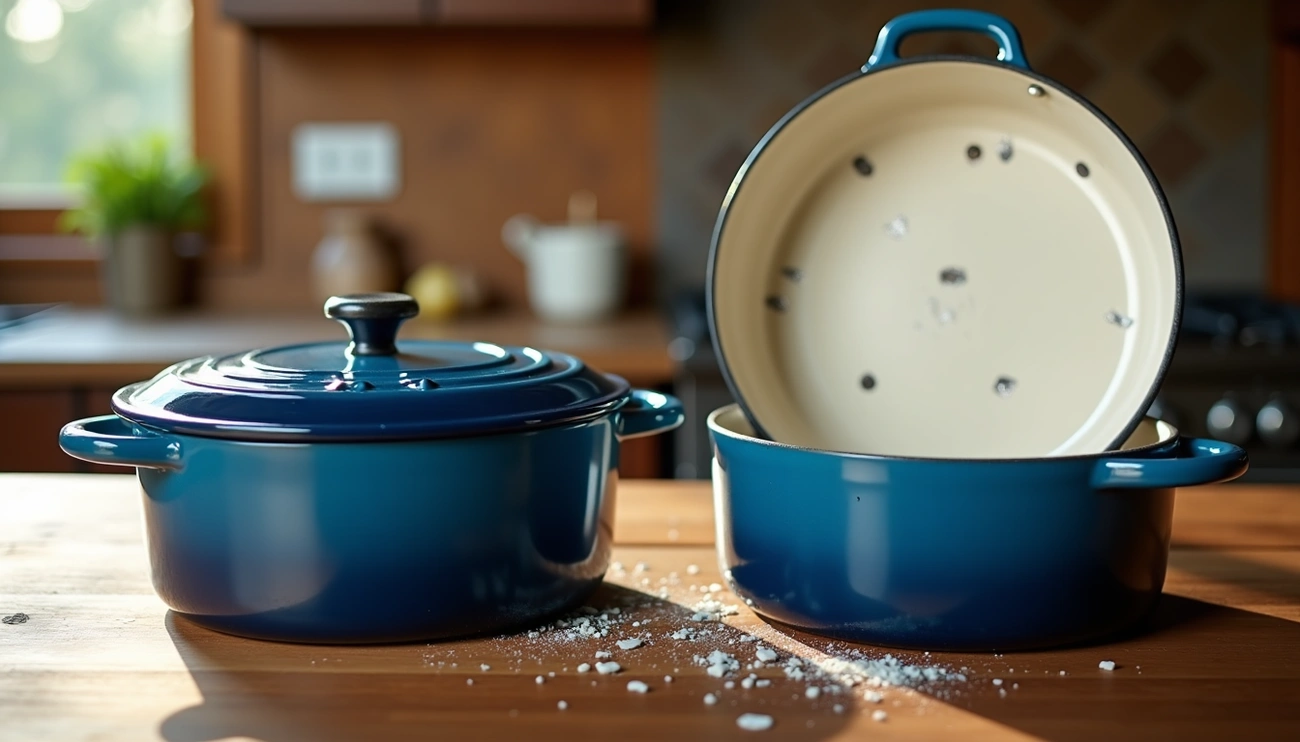
Scratched enamel cookware is safe if the damage is limited to surface scratches or minor discoloration. Enamel consists of a glass coating that protects the underlying metal. Discontinue use if the enamel is chipped, cracked, or exposing cast iron, as exposed metal can rust and release ingestible glass fragments.
When Is Scratched Enamel Cookware Unsafe?
Not all damage to enamel cookware poses the same level of risk. Understanding what makes scratched enamel cookware unsafe requires examining specific types of damage and their potential consequences.
Glass enamel flakes can be a physical hazard
The most immediate danger comes from chips or flakes that break off into your food. Since enamel is fundamentally a glass coating, these fragments can be extremely sharp. Once ingested, these glass-like particles pose significant physical dangers – they could lacerate your mouth, throat, esophagus, or digestive tract. Unlike a chipped tooth that would be eroded by stomach acid, nothing in your body can effectively break down glass fragments. Furthermore, once a chip appears, it often continues to deteriorate, releasing more particles with each use.
Exposure to bare cast iron may cause rust
When enamel chips away, the underlying cast iron becomes exposed. This exposed metal creates two potential issues. First, it will start to rust without proper protection, potentially contaminating your food. Second, the exposed metal can begin leaching into your meals, particularly when cooking acidic ingredients. As a result, the protective barrier that enamel provides is compromised, changing both the cooking properties and potential health implications of your cookware.
Older enamel may contain lead or cadmium
Perhaps the most concerning aspect involves heavy metals in older or low-quality enamel cookware. Specifically, older glazes or those from countries with loose regulations may contain dangerous substances that can leach into food, including:
- Lead (found at 48 ppm in some tested products)
- Cadmium (some red exteriors tested at alarming 19,600 ppm)
- Antimony
- Nickel
- Manganese
- Chromium
- Cobalt
These risks increase dramatically when the enamel is damaged, with acidic cooking, or under high heat. For perspective, the “safe” limit for cadmium in children’s toys in the U.S. is below 40 ppm, making some tested cookware exceed this limit by nearly 500 times. Consequently, what might seem like minor damage could potentially expose your family to toxic metals, particularly in items manufactured before stricter regulations were implemented.
What Scratches Are Actually Safe?
Despite the concerns with damaged cookware, many marks on enamel aren’t actually dangerous. Understanding the difference between harmless imperfections and genuine hazards helps prevent unnecessarily discarding perfectly functional pieces.
Superficial scratches are usually cosmetic
Most “scratches” on enamel cookware aren’t actually scratches at all. What appears to be damage might simply be metal residue from your utensils. Enamel is significantly harder than stainless steel, making it more likely that your spatula left a mark on your pot rather than the reverse. These metallic residue streaks cause little or no damage to the underlying enamel surface.
Minor chips along non-cooking areas like the outer rim, exterior sides, or underside rarely contact food. If the surrounding enamel remains solid and the chip hasn’t changed over time, this type of damage is often merely cosmetic.
Additionally, stable hairline cracks that remain smooth, don’t darken, and don’t spread typically reflect normal enamel aging. Web-like surface crazing may look dramatic under certain lighting but generally doesn’t indicate enamel failure if the surface feels intact.
How to monitor scratches over time
Stability is the primary indicator of safe damage. Safe imperfections look the same month after month, don’t shed material, and don’t affect cooking performance. Nevertheless, ongoing observation remains crucial rather than completely ignoring these marks.
I recommend checking your cookware regularly during cleaning. Run your fingers gently over questionable areas to detect any changes in texture. Smooth damage tends to remain stable, whereas roughness suggests the enamel bond is deteriorating.
Signs that indicate deeper damage
Always watch for these warning signals that indicate unsafe enamel damage:
- A chip that appears to be growing larger
- Cracks that feel rougher than before
- Areas that no longer clean the same way
- Texture changes, particularly roughness or sharp edges
- Spots that catch on sponges or utensils
These changes suggest the enamel is no longer fully bonded, increasing the risk of further deterioration with continued use. Moreover, a compromised cooking surface can reduce performance, causing uneven heating or food sticking issues.
Remember that dramatic temperature changes can stress enamel. Heating an empty pot or using high heat without sufficient liquid are common causes of damage that might initially appear minor but worsen over time.
Can You Fix Damaged Enamel Cookware?
Once your beloved enamel cookware develops chips or deep scratches, you’ll likely wonder if repairs are possible. Unfortunately, fixing damaged enamel isn’t as simple as applying a patch or touch-up paint.
Why re-glazing at home isn’t possible
Enamel is essentially glass fused to cast iron at extremely high temperatures in specialized kilns. Home repair attempts typically fail because:
- Iron expands differently than pottery ceramics when heated
- Professional re-enameling requires industrial equipment and temperatures
- DIY food-safe epoxy repairs are typically temporary solutions
Sadly, no home method can properly restore the glass-like enamel surface that makes these pots so special. “There’s not any way to get it fixed unless you re-enamel it. Which is probably cost prohibitive”.
Manufacturer warranties and replacements
Before discarding damaged cookware, check if it’s covered by warranty:
Lodge offers a lifetime warranty on enameled cookware damaged “during the normal course of cooking”. Similarly, Le Creuset provides a lifetime limited warranty, often replacing defective items free of charge. Made In’s warranty covers manufacturing defects but explicitly excludes “damage, or staining that is a result of normal wear and tear, use of metal utensils, excessive heat above 580F or the use of the dishwasher”.
Creative ways to repurpose damaged cookware
Instead of tossing damaged pieces, consider these alternatives:
- Transform chipped pots into beautiful planters
- Use damaged pot lids as decorative wall hangings or garden decor
- Create nostalgic flag holders from enamel lids
- Repurpose as storage containers for non-food items
These creative approaches give second life to cherished cookware that’s no longer food-safe.
How to Prevent Enamel Damage in the First Place
Preserving your enamel cookware requires consistent care. Following these preventive measures will help extend the life of your investment plus avoid potential health risks from damaged enamel.
Avoid sudden temperature changes
Thermal shock is the primary cause of enamel damage. Never place a hot pot under cold water or add cold ingredients to an empty heated pan. Gradually warm your cookware on low to medium heat, allowing it to heat evenly. Likewise, let it cool naturally before washing to prevent the enamel from “popping” or separating from the cast iron base.
Use non-abrasive cleaning tools
Steel wool, metal scrubbers, and abrasive cleaners are enemies of enamel surfaces. Instead, opt for:
- Soft sponges or cloths with mild dish soap
- Nylon abrasive pads for stubborn deposits
- Warm water soaking for 15-20 minutes before cleaning
Proper storage and drying techniques
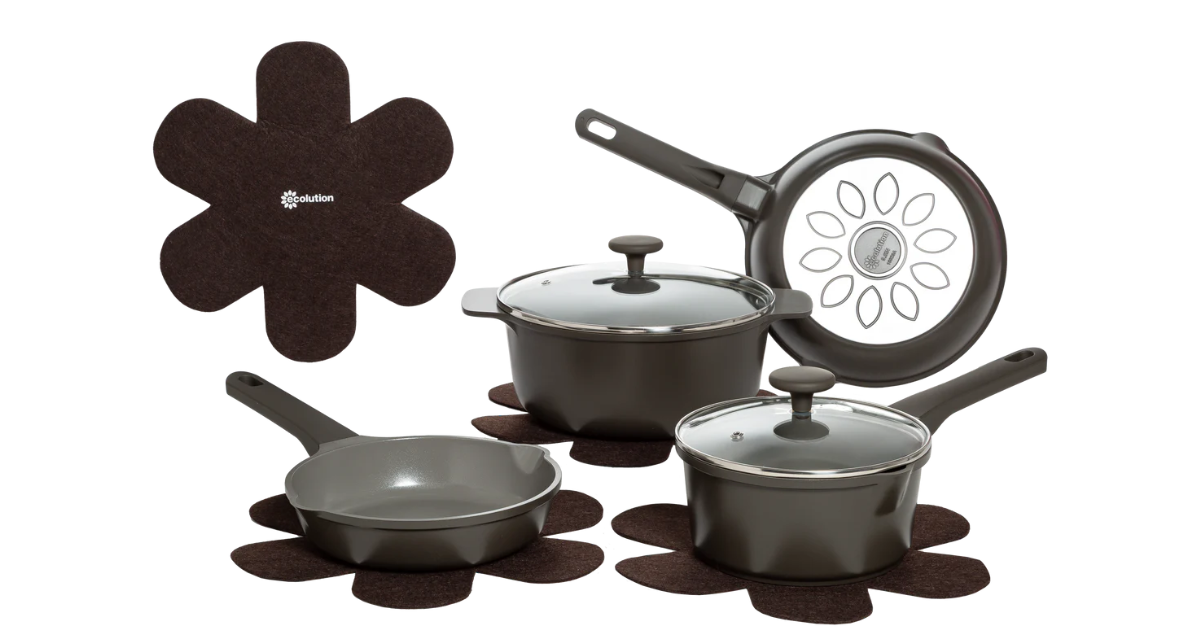
Always dry cookware thoroughly before storing. Place pot protectors between rims and lids, as well as between stacked pieces to prevent scratches. Store in cool, dry places—not on stovetops exposed to moisture and temperature changes.
Why dishwashers are not recommended
Although technically dishwasher-safe, repeated cycles can dull the exterior gloss. High temperatures combined with harsh detergents gradually degrade the protective coating. Even more concerning, movement during cycles increases chipping risk as pieces jostle against other items.
Conclusion
Enamel cookware remains one of the most beloved kitchen investments, though caring for it properly requires understanding when damage crosses from cosmetic to concerning. Certainly, not all scratches pose health risks – many marks are simply metal residue rather than actual damage to the glass-like coating. Nevertheless, deep chips that expose the underlying cast iron or release glass fragments demand immediate attention.
While repairing damaged enamel at home isn’t feasible due to the specialized industrial processes required, many premium brands offer warranties worth exploring before discarding your favorite pieces. Alternatively, repurposing damaged cookware as planters or decorative items gives these cherished pieces a second life.
Prevention ultimately offers the best protection for your investment. Avoid thermal shock by gradually heating pots, use wooden or silicone utensils instead of metal, and store pieces carefully with protective barriers. Because enamel cookware can last generations when treated with care, these simple habits pay dividends through years of safe cooking.