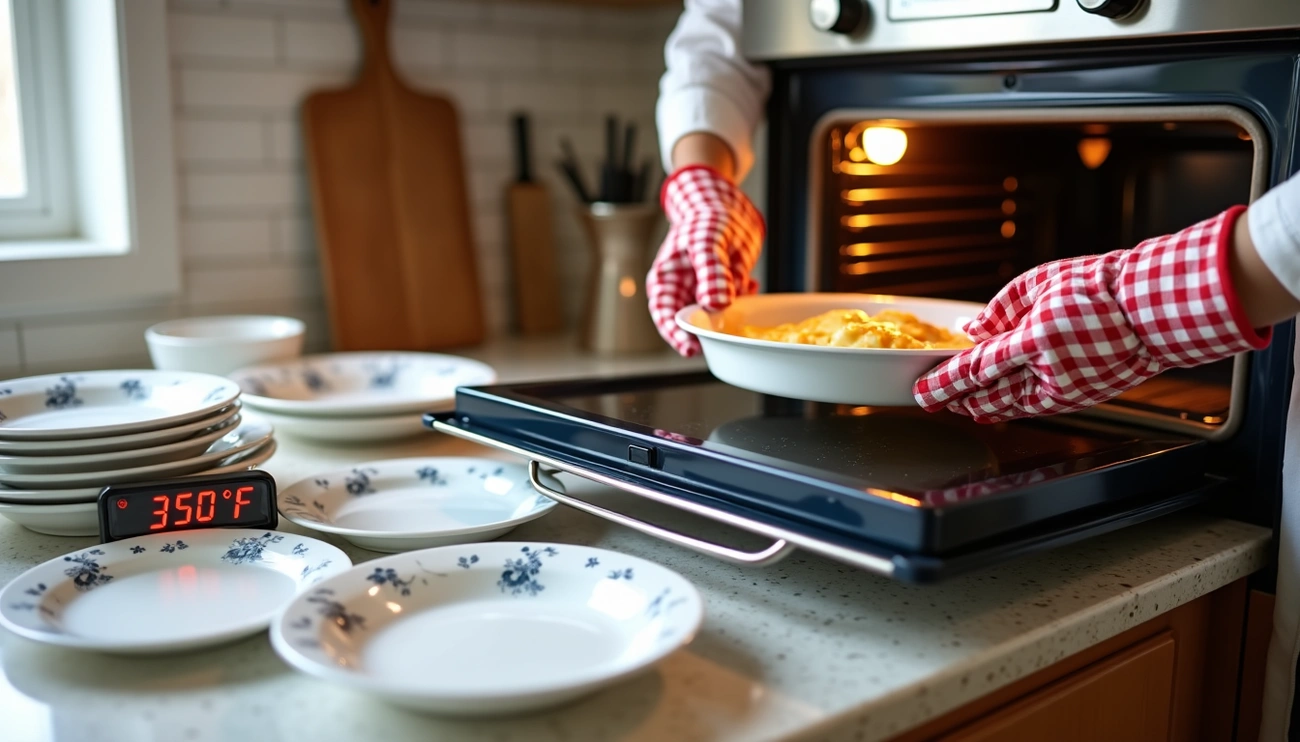
Corelle dinnerware can go in the oven up to 350°F (177°C) for warming and reheating food. Use it only in preheated conventional or convection ovens. Avoid broilers, empty dishes, and sudden temperature changes, as these conditions can cause the glass to shatter.
Understanding Corelle Dishes and Oven Safety
What is Corelle dinnerware made of
Corelle dinnerware consists of a special material called Vitrelle glass, created through a unique glass lamination process that thermally bonds three distinct layers together. Specifically, this construction features two clear “skin” layers of glass bonded to a white or beige “core” layer in the center. The result is lightweight, stackable dinnerware that resists breaking, cracking, and chipping.
This three-ply laminate structure sets Corelle apart from standard glass dishes. The outer layers remain clear, whereas the inner layer provides the opaque white appearance. For decorated items, the design is a glassy ink applied on the outside of the three-layered item. This proprietary technique is unique to Corelle, in fact, the company invented it.
Are Corelle plates oven safe
Yes, Corelle dishes are oven safe. The manufacturer confirms that Corelle products can be used for serving and reheating food in pre-heated conventional ovens up to 350°F (176°C). This applies to plates and bowls made of glass, though mugs are made of porcelain or stoneware.
Maximum temperature limits for Corelle
The standard temperature ceiling for Corelle dinnerware is 350°F (177°C). Any attachments such as feet or handles have a lower safety threshold at 248°F (120°C). Exceeding these limits can compromise the structural integrity of your dishes.
Why Corelle can withstand heat
The lamination process creates a stress pattern that makes each layer have a stress opposite to the adjacent layer. The skin layers on top and bottom are in compression (atoms being squeezed), while the core is in tension (atoms being pulled in opposite directions). This engineered stress distribution makes the product impact resistant and prevents delayed breakage. During the tempering process, the core undergoes crystallization, transforming the material into what is, from a material science perspective, a glass-ceramic. This thermal shock-resistant quality makes Corelle ideal for oven use when proper temperature guidelines are followed.
Safety Tips for Using Corelle in the Oven
Following proper safety protocols protects both your dishes and your kitchen. These guidelines ensure your Corelle performs reliably every time you use it in the oven.
Always start with room temperature dishes
Cold dishes from the refrigerator need time to adjust before oven use. Remove the dish from the fridge at least an hour before you plan to heat it to allow it to come to room temperature. This waiting period prevents thermal shock that can crack or shatter the glass.
An even better approach involves placing your dish in a cold oven and letting the casserole heat up alongside the oven. This creates a gradual temperature change rather than a sudden one, protecting the dish’s structural integrity.
Place dishes on the middle oven rack
Positioning matters when baking with glass dinnerware. Like all glass bakeware, Corelle dishes should be placed on a middle rack in the oven to prevent them from breaking. The middle rack provides the most even heat distribution and keeps your dishes away from the oven’s hottest zones.
Never use empty Corelle dishes in the oven
Empty dishes face a higher risk of damage from concentrated heat. Empty Corelle dishes should never be put in the oven. The exception applies only when warming empty dinnerware for serving, which requires using a pre-heated conventional oven.
Similarly, heating an empty dish in a microwave oven can cause it to become too hot to handle, crack, or break. Always ensure food is present in the dish before heating.
Handle hot dishes with dry cloth or potholders
Proper handling prevents accidents and breakage. Handle hot items with a dry cloth or potholder. Wet or cold cloths create sudden temperature changes that may cause the item to break or shatter.
Additionally, never place a hot dish on a wet or cold surface. Allow the hot dish to cool on a cooling rack, potholder, or dry cloth.
Allow gradual temperature changes
Patience protects your investment in quality dinnerware. Allow time for the bowl to cool before washing it. Adding liquid to a hot dish causes sudden temperature changes that compromise the product’s strength, potentially resulting in breakage.
Equally important, avoid placing hot dishes directly on cool countertops, metal surfaces, or in the sink.
What You Should Never Do with Corelle Dishes
Certain uses can damage your Corelle dishes beyond repair. These restrictions protect you from injury and prevent costly replacements.
Don’t use under the broiler
Corelle dishes must never be used under a broiler or griller. The intense direct heat from broiling elements creates uneven heating patterns that can cause the dishes to shatter explosively. This restriction applies even though Corelle is oven safe at lower temperatures.
Avoid direct stovetop use
Never place Corelle on gas, electric, or ceramic stovetops. Direct contact with burners or heating elements exposes the dishes to temperatures far exceeding their safe limits. This includes warming purposes near range heat vents, pilot lights, or open flames.
Never place hot dishes on wet surfaces
Placing hot Corelle on wet or cold surfaces causes immediate thermal shock. Similarly, handling hot dishes with wet or cold cloths creates the same dangerous temperature differential. The stress from rapid cooling can cause the dish to break or shatter without warning.
Don’t use in toaster ovens
Toaster ovens are off-limits for Corelle dinnerware[162]. The heating elements in toaster ovens sit too close to the dishes, creating concentrated heat zones that standard ovens avoid. This proximity to direct heat sources violates the same principle as broiler use.
Avoid sudden temperature changes
Beyond wet surfaces, other temperature shocks pose risks. Adding liquid to a hot dish compromises its strength and can result in breakage. Equally important, never place hot dishes directly on cool countertops or metal surfaces.
Don’t use damaged dishes
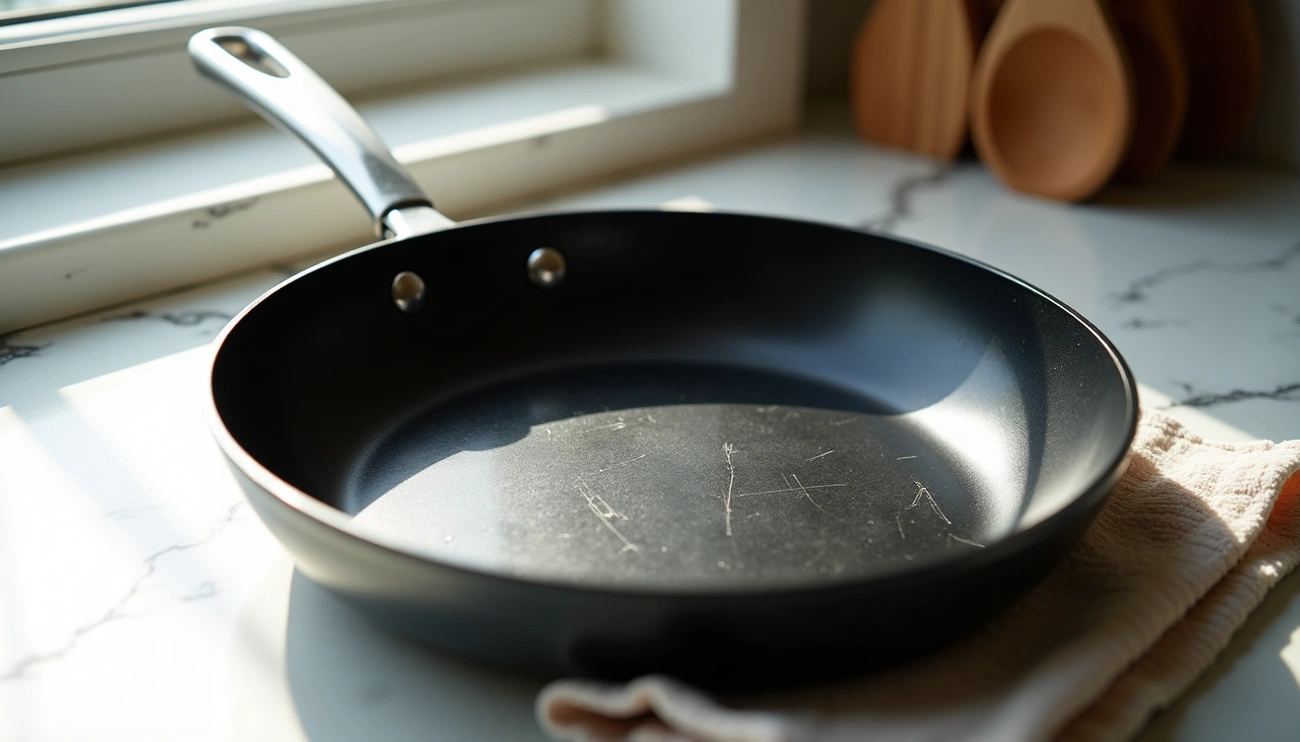
Chipped, cracked, or severely scratched Corelle dishes must be discarded immediately[131]. Damage compromises the structural integrity of the three-layer glass construction. Damaged items may break or shatter without warning, even long after the initial damage occurs.
Using Corelle for Baking and Reheating
What foods can you reheat in Corelle
Corelle dinnerware works well for warming, baking, and reheating food in microwave ovens or preheated conventional ovens. Most casseroles, leftovers, and single-pot dishes reheat successfully. Note that certain items are off-limits: never use Corelle to microwave popcorn or hold popcorn bags. Similarly, avoid microwaving convenience foods with special browning wrappers, as some packaging heats rapidly and may cause breakage.
Baking limitations to know
When preparing foods that release liquid during cooking, add a small amount of liquid to cover the bottom of the dish before baking. This prevents the dish from becoming too hot to handle. Portion size matters significantly. Heating a small amount of food in a larger dish can cause the vessel to become too hot to handle, crack, or break. Likewise, overheating oil or butter in the microwave poses risks, so use minimum cooking time.
Best practices for reheating leftovers
Arrange food evenly in your Corelle dish and add liquid if needed to prevent drying. Cover with a lid or microwave-safe wrap, venting to allow steam escape. Stir food midway through heating to eliminate cold spots. Reheated leftovers should reach and maintain 165°F for safe consumption. After reheating, allow food to stand for two minutes before serving.
Conclusion
Corelle dishes offer reliable oven performance when you respect their temperature limits and follow proper handling techniques. As a matter of fact, most kitchen accidents with Corelle happen from thermal shock rather than normal oven use. Stay within the 350°F limit, preheat your oven, and avoid direct heat sources like broilers or stovetops. By following these straightforward safety guidelines, your Corelle dinnerware will serve you well for years of everyday cooking and reheating tasks.